Is Stevia Safe? A PhD Farmer Reveals the "White Powder" Deception Hiding in Your Pantry
If you have ever stood in the baking aisle feeling completely overwhelmed by the "natural" sweetener options, I want you to know: I get it. You ditched sugar to protect your family's health, but now you are seeing scary headlines about heart risks or worrying about chemical solvents. It makes you ask the fundamental question: is stevia safe, or have we just traded one problem for another?
As someone who wears two hats—a PhD researcher in agriculture and a lifelong farmer who still gets dirt under his fingernails—I look at stevia differently. I don't just see a packet of white powder; I see a plant that grows in the soil. And I know that the journey from that green leaf to your coffee cup is often where the "natural" promise gets broken.
My goal here isn't to lecture you like a professor. It's to walk the rows with you, friend-to-friend, and help you distinguish between the healing green leaf I grow in my garden and the highly processed industrial chemistry sets hiding in "natural" packaging. Let’s dig into the truth.
🌱 Summary in Bullets: The PhD Farmer's Verdict
- ✅ The Green Reality: Pure, organic Stevia rebaudiana leaf and simple water extracts are safe, non-toxic, and historically proven. They won't spike your insulin or harm your gut.
- ⚠️ The Industrial Trap: Many commercial brands are 99% filler. Beware of Erythritol (linked to clotting risks), Dextrose (hidden sugar), and Natural Flavors (potential allergens).
- ☠️ The Solvent Secret: Non-organic processing often uses Neurotoxins like Hexane or Methanol. Always look for the USDA Organic Seal to ensure safe processing.
- 🌿 The Solution: Buy "Green Leaf" powder, grow your own, or choose liquid extracts with only two ingredients: Stevia and Water (or Organic Alcohol).
✨ Don't settle for white powder—aim for the plant! ✨
The Botanical Reality: It’s a Plant, Not a Chemical 🌿
To really understand if stevia is safe, we first have to agree on what "stevia" actually is. To a farmer like me, Stevia rebaudiana isn't a chemical code; it's a bushy little shrub related to the sunflower and marigold. For centuries, the Guarani people in South America used it as a "sweet herb" (ka'a he'ê) to sweeten their tea.
Here is the cool part: the raw leaf is a complex system. It doesn't just contain sweetness; it has antioxidants, tannins, and oils.
- The Sweetness: This comes from compounds called glycosides (mainly Stevioside and Rebaudioside A).
- The Benefit: In its natural state, it doesn't spike your blood sugar. It might even help lower high blood pressure.
The Farmer's Logic: Think of an apple versus apple juice concentrate. One is a whole food; the other is a processed sugar bomb. The same applies here. The closer your stevia is to the green leaf, the safer and healthier it usually is.
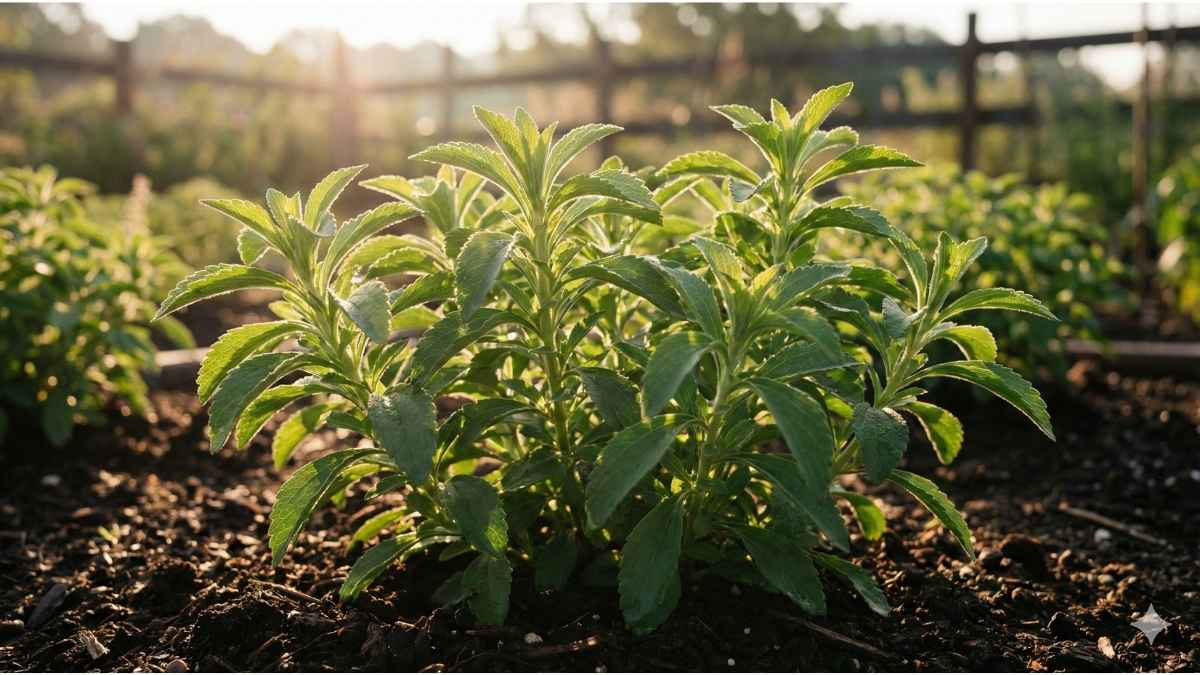 Stevia rebaudiana in its natural state is a complex botanical system containing antioxidants and tannins; this "Green Reality" is the gold standard for safety compared to industrial white powders.
The Extraction Spectrum: From Water to Petrochemicals 🧪
This is where the "Betrayal" usually happens. How does a green leaf become a bright white powder? The answer often involves some heavy industrial chemistry.
The Good: Water Extraction 💧The Bad: The Hexane and Methanol Trap ☠️
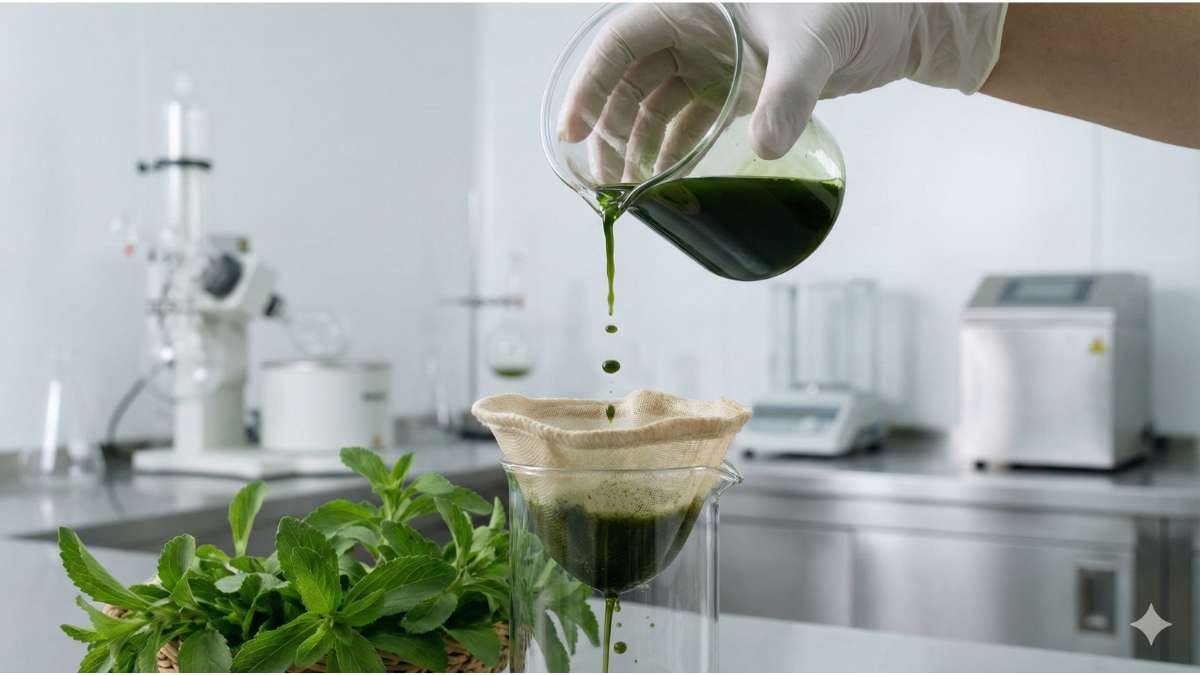
The safest method is basically making a giant pot of tea. Manufacturers steep the leaves in hot water and then dry the liquid.
- Why I love it: No toxic residues.
- The Catch: It might taste a little herbal or licorice-like. But honestly? That "grassy" taste is your assurance that it’s real.
To get that perfect, sugar-like white powder, many conventional manufacturers use solvents like Methanol (wood alcohol) or Hexane.
- What is Hexane? It's a neurotoxin derived from petroleum. It’s used to strip away the "planty" flavors.
- The Risk: While the industry says the solvent is removed, trace residues can remain. Plus, do you really want your "health food" bathed in gasoline byproducts?
Pro Tip: Natural ≠ Safe. A product can be labeled "Natural" and still be processed with hexane. Certified Organic is your only legal shield here—organic standards strictly ban hexane use.
The Metabolic Battlefield: Insulin, Heart Health, and Erythritol ❤️
This section is vital for my friends dealing with diabetes or watching their heart health. We need to talk about what else is in the bag.
The Erythritol Warning 🚨The "Hidden Sugar" Deception 🍬
If you buy "Truvia" or "Pyure," you aren't just buying stevia. You are buying a bag of Erythritol (a sugar alcohol) with a pinch of stevia dusted on top.
- The New Science: A major 2023 study from the Cleveland Clinic dropped a bombshell. It found that high levels of erythritol in the blood were linked to a 2x higher risk of heart attack and stroke.
- Why? It seems to make your blood platelets "stickier" and more prone to clotting.
- My Advice: If you have any heart concerns, flip that package over. If "Erythritol" is the first ingredient, put it back on the shelf.
Some brands (like "Stevia in the Raw") use Dextrose or Maltodextrin as fillers.
- The Betrayal: Dextrose is chemically identical to glucose. It has a Glycemic Index of 100!
- The Result: You think you're being healthy, but that packet is spiking your insulin just like table sugar would. It’s a trick, plain and simple.
Gut Health: Will It Bloat You? 🤰
I hear this all the time: "Stevia makes me gassy." Actually, it's probably not the stevia.
Pure stevia glycosides should be generally very gentle on the gut. They pass through the upper digestive tract unchanged and are broken down by bacteria in the colon without causing chaos.
The Real Culprit: Inulin. Many "natural" brands bulk up their stevia with Inulin (Chicory Root Fiber). While inulin is a healthy prebiotic for some, for others—especially if you have IBS—it ferments rapidly. This creates a lot of gas, leading to that uncomfortable, "balloon-in-the-belly" feeling.
Market Analysis: The PhD Farmer’s Shopping Guide 🛒
Let’s simplify this. I’ve looked at the labels so you don’t have to.
🛒 The PhD Farmer's Brand Comparison 🛒
| 🏷️ Brand | 🔍 What's Actually Inside? | 🧑🌾 Farmer's Verdict |
|---|---|---|
| Green Leaf Powder (Bulk/DIY) | Just dried leaves. | The Gold Standard. Pure, earthy, safe. 🏆 |
| Trader Joe's Organic Liquid | Water + Organic Stevia + Alcohol. | Excellent. Simple and organic. ✅ |
| SweetLeaf (Drops) | Stevia + Water + "Natural Flavors". | Good. Watch out for the "flavors" if you are sensitive. 🤔 |
| Truvia | Mostly Erythritol. | Caution. Avoid if you are watching heart health. ⚠️ |
| Stevia in the Raw | Dextrose (Sugar) + Stevia. | Avoid. It's a sugar spike in disguise. 🚫 |
🌱 Check Current Prices on Amazon:
Disclaimer: As an Amazon Associate, I earn from qualifying purchases at no extra cost to you. This helps keep our farm and research running!
How to Grow Your Own (The Ultimate Safety Hack) 🌱
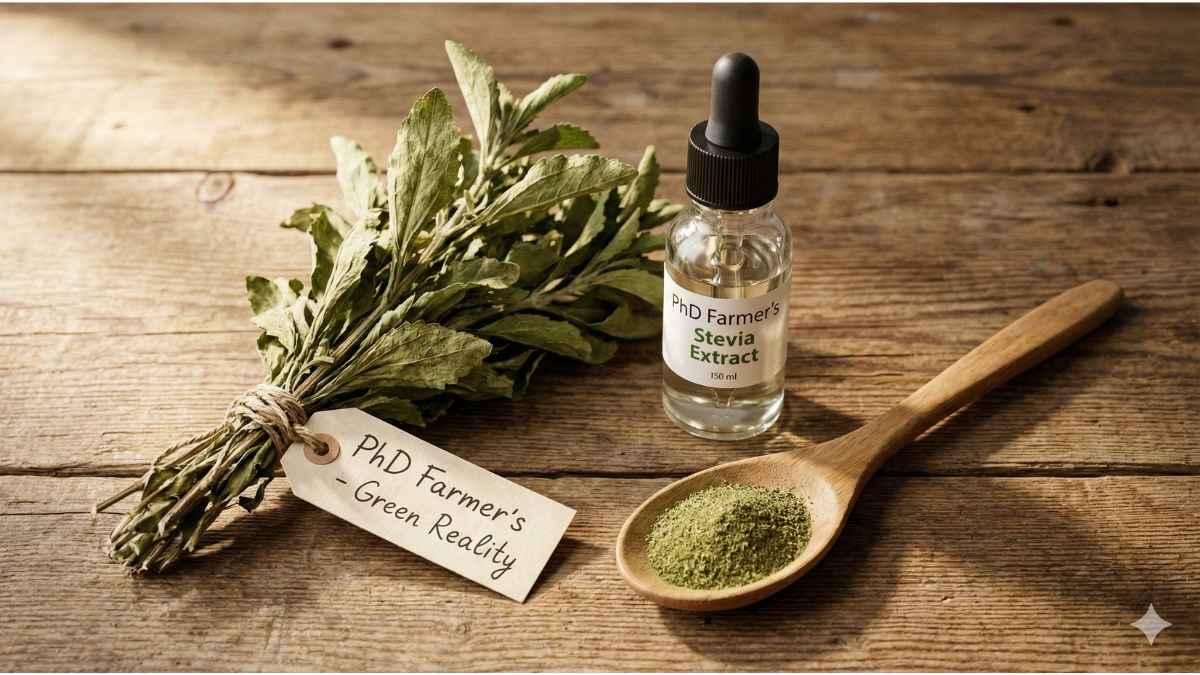 Making your own liquid extract from dried leaves ensures zero contact with industrial solvents like hexane, providing 100% transparency in your sweetness source.
Want to be 100% sure is stevia safe for your family? Grow it yourself! It’s easier than you think.
- Planting: Stevia loves the sun but hates "wet feet" (soggy roots). Treat it like basil.
- Harvesting: The leaves are sweetest just before the plant flowers in late summer. If you see white blooms, pinch them off or harvest immediately!
- DIY Extract:
- Dry your leaves (hang them upside down).
- Crush them into a glass jar.
- Pour cheap vodka over them and let it sit for 24 hours.
- Strain and simmer the liquid gently to remove the alcohol.
- Voila! You have homemade, chemical-free liquid stevia.
Conclusion: Reclaiming Your Sweetness
So, is stevia safe?
Yes, if it’s the green leaf or a simple water extract. It’s a gift from nature that can help you break up with sugar without sacrificing joy.
No, if it’s a white industrial powder cut with erythritol, dextrose, or processed with hexane. That is a science experiment, not food.
Your Action Plan:
- Ignore the front of the box. The marketing is a lie.
- Read the ingredients. Look for "Stevia Leaf Extract" and "Water."
- Go Organic. It’s the only way to avoid the petrochemical solvents.
Stay vigilant, stay healthy, and enjoy the sweetness!
Further
Readings
To continue your research and fact-check the trustworthiness of this information, we highly recommend consulting these top-tier resources.
1. The Official Word on Sweeteners (FDA): Read more on the regulatory status of Steviol Glycosides and other sweeteners directly from the U.S. Food and Drug Administration.
2. In-Depth Health Analysis (WebMD): Understand the specific clinical mechanisms, drug interactions, and reported stevia side effects.
3. Diabetes and Sweeteners (American Diabetes Association/AHA Consensus): Review the joint statement from the American Heart Association and the American Diabetes Association regarding the use of Stevia and similar non-nutritive sweeteners for managing blood sugar.

Meet Saqib
Saqib Ali Ateel is a PhD Scholar by training and a "student of the soil" by nature. He combines deep research, hands-on farming wisdom, and agricultural systems supervision to reveal what’s really on your plate. His mission is simple: to help your family navigate the food industry's complexity so you can eat cleaner, safer, and smarter.
Does Stevia Raise Blood Sugar?
Pure Stevia Extract Powder vs. The Rivals
Is Stevia Safe During Pregnancy?
What is your story of using Stevia sweetener?
Stevia is a natural, zero-calorie popular sweetener. You may disagree what is written above. It is comparatively a new switch from sugar. You are welcome with your point of view, your personal story of using it or even new research which refutes or alleviates moringa benefits. You are requested to share it with our visitors.