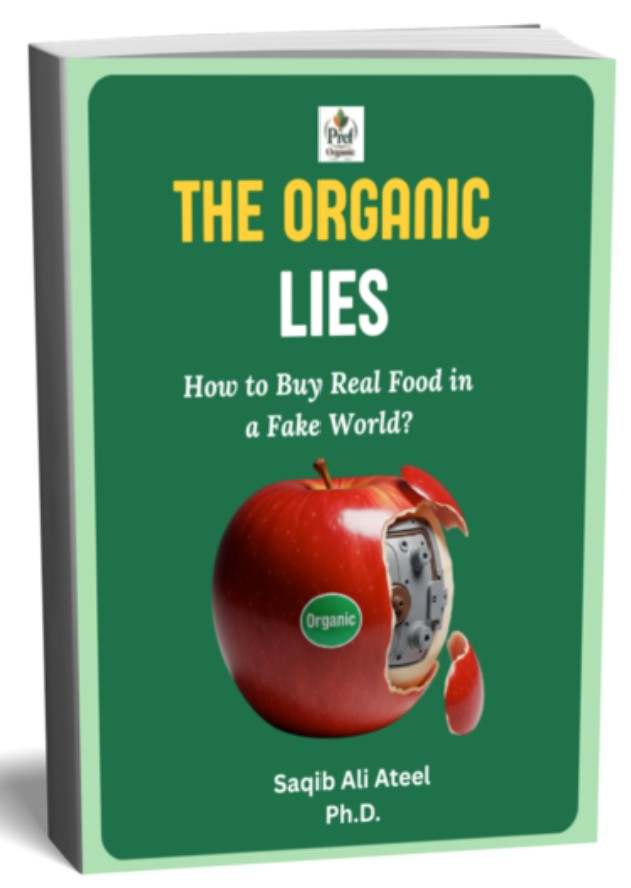
What Is an Organic Food? A PhD Farmer's Guide to the
Science of Purity
To correctly answer to what is an organic food, we must look beyond marketing slogans and examine the soil history directly. When I pull a soil core sample from my fields, I don’t just smell the damp earth; I am looking for a verified history. The lab reports sitting on my desk don’t deal in buzzwords like "wholesome" or "clean." They deal in parts per billion (ppb).
Ignore the flashy green packaging. Real organic isn't just a marketing vibe; it is a strict, government verified legal status. Most people think organic means "pesticide-free." It doesn't.
It means "systemic exclusion." It guarantees the food you eat was produced in a system that prohibits synthetic neurotoxins, genetic engineering, and sewage sludge.
Here is the scientific breakdown of what you are actually buying.
⚡ The 30-Second Answer: What "Organic" Guarantees
Organic is a verified legal status, not just a marketing term. Here is the bottom line:
- No Systemic Toxins: Prohibits chemicals that penetrate inside the food.
- No GMOs: 100% exclusion of genetically engineered seeds.
- No Fake Fertility: Fertility must come from the soil, not synthetic nitrogen.
The PhD Take: You aren't paying for a "fancier" apple; you are funding a 3-year verified land detox.
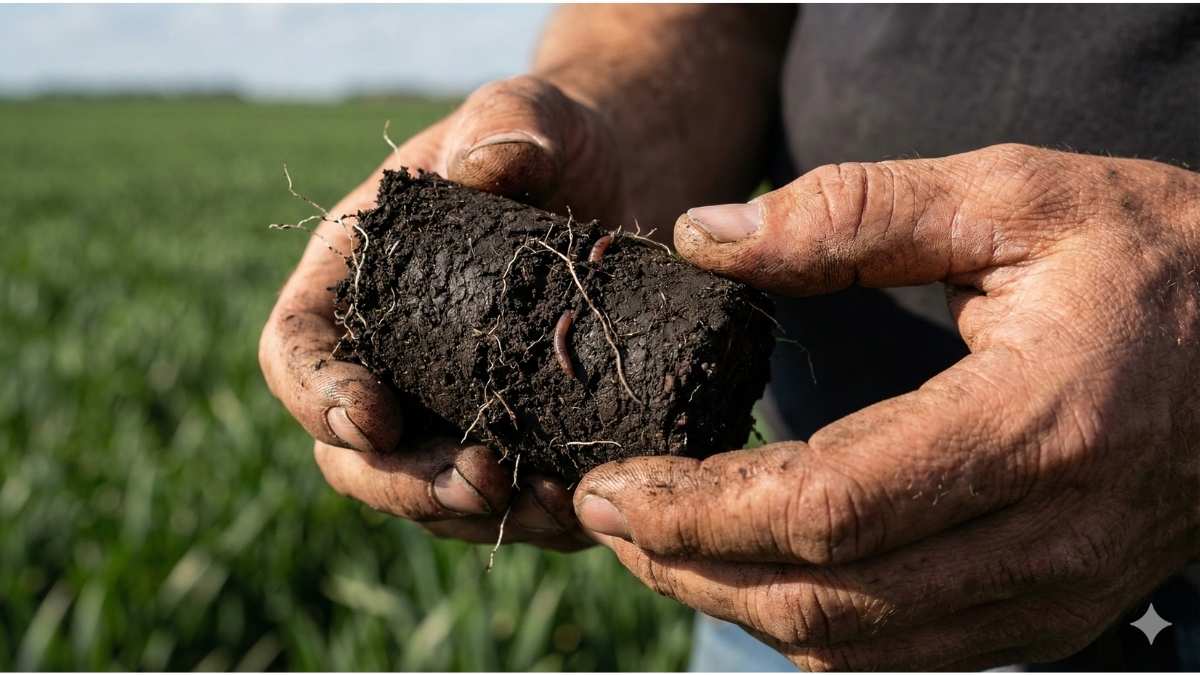 The Verified History: Organic certification isn't about the fruit; it's about a 36-month history of soil purity and biological activity.
🛑 The Blunt Answer: Is It Just Marketing?
If you are scanning the aisle wondering if the extra cost is a scam, here is the straight talk—backed by 2026 data—to help you make the right call:
- Is it "Chemical Free"? No. Organic farming uses pesticides, but they must be non-synthetic (like neem oil) and degrade rapidly.
- Can I just wash conventional food? No. This is the "Washing Paradox." Systemic pesticides are inside the fruit's flesh, not just on the skin.
- Is it legally different from "Natural"? Yes. "Organic" is a federal statute (USDA NOP/EU 2018/848). "Natural" is an unregulated marketing adjective with zero verification.
The Bottom Line: You buy organic to avoid Systemic Load (chemicals inside the food) and Antibiotic Resistance (in meats), not to get a "magical" calorie.
🔬 The Legal Definition:
Exactly What Is an Organic Food?
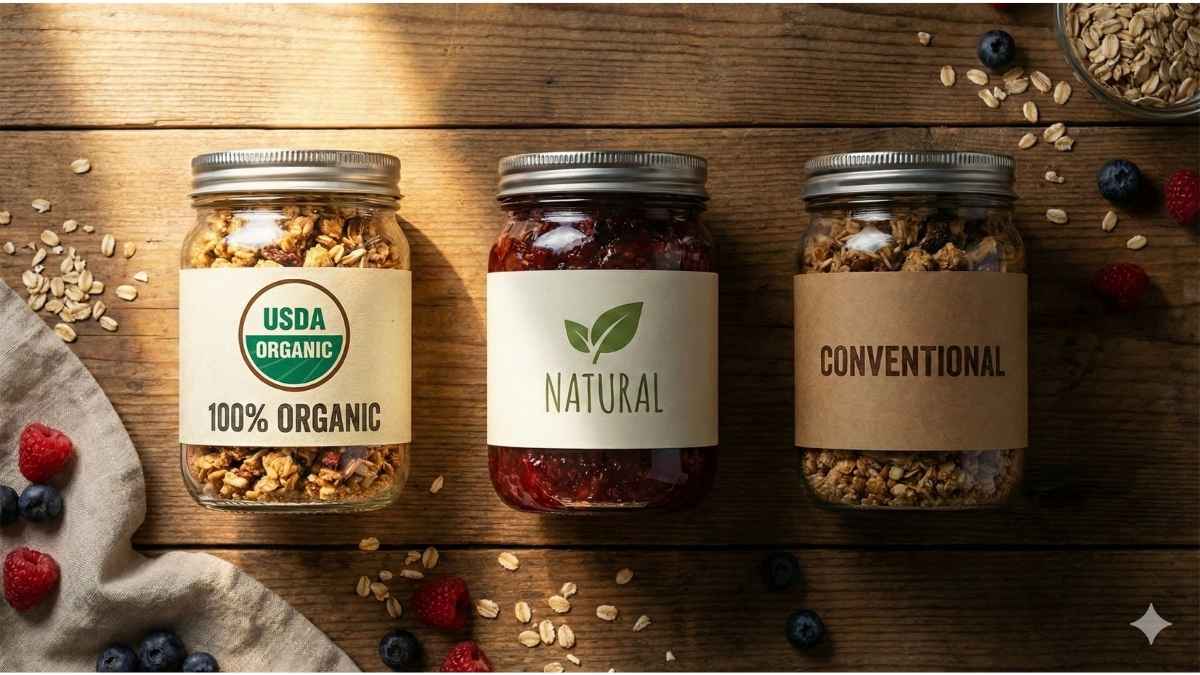 Know The Difference: "Natural" is a marketing term. "Organic" is a federal law. Ensure you are getting the verification you paid for.
Organic isn't just a philosophy; it is a federal law that verifies the actual process used to grow your food.
When you see the USDA or EU Organic seal, you are paying for a Verified 36-Month History. The land must have had no prohibited substances applied to it for three years prior to harvest. This creates a "biological firewall."
The Shopper's Guide to Labels:
Don't get tricked by the wording. Here is exactly what the label means.
The Farmer's Note: If a product says "Natural," "Regenerative," or "Eco-Friendly" but lacks the Organic Seal, there is no inspector verifying their claims. It is an honor system. Organic is a legal system.
🚿 The "Washing
Paradox": Why You Can't Scrub It Off
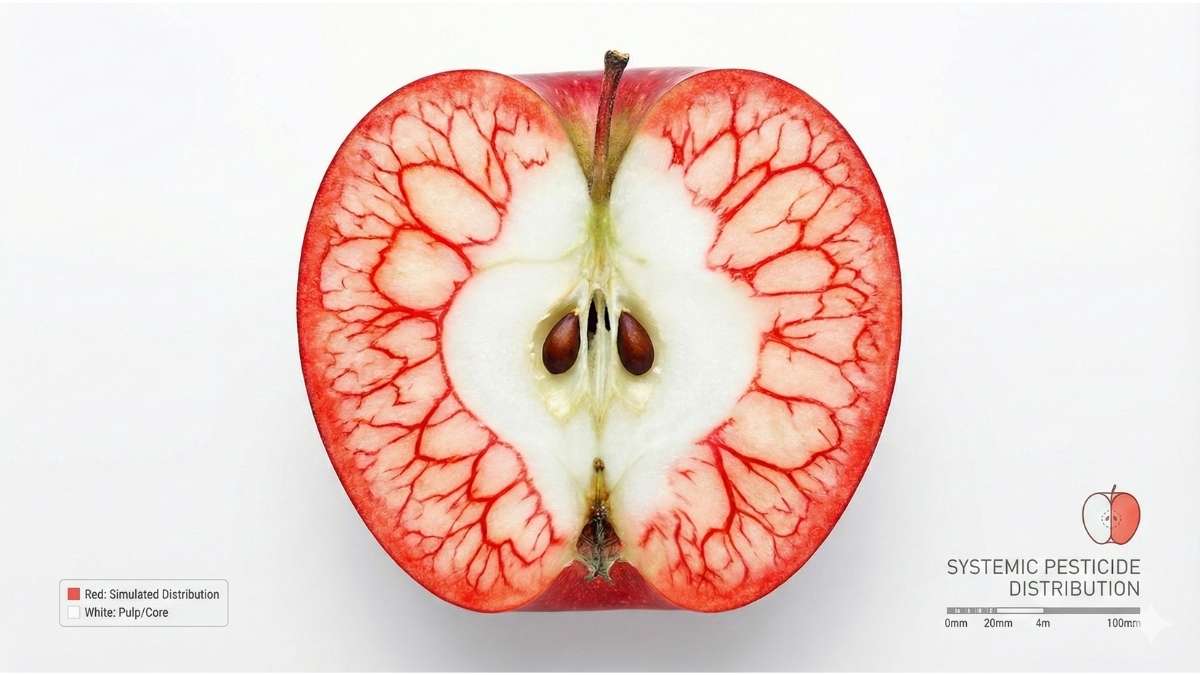 The Washing Paradox: Raman spectroscopy reveals how systemic pesticides (red zones) penetrate deep into the fruit pulp, rendering surface washing ineffective.
The idea that you can simply 'wash off' pesticides is one of the most persistent myths out there, misleading even the savviest shoppers.
In 2024, a groundbreaking study published in Nano Letters utilized Raman spectroscopy to map pesticide distribution in apples. The findings destroyed the common advice to "just wash it with vinegar."
Systemic vs. Contact Pesticides:
Conventional agriculture relies heavily on Systemic Pesticides (like neonicotinoids). These are water-soluble chemicals applied to the soil or seeds. The plant absorbs them into its vascular system (xylem), transporting the poison into the leaves, stems, and fruit flesh.
- The Result: The chemical is inside the apple, not just on the skin.
- The Data: The study showed pesticides penetrated the peel and pulp layers up to 30 micrometers deep.
- The Verdict: You cannot wash off a chemical that has become part of the food's cellular structure. Organic farming prohibits these systemic agents entirely.
📉 The "Toxic
Bucket": Bioaccumulation & Body Burden
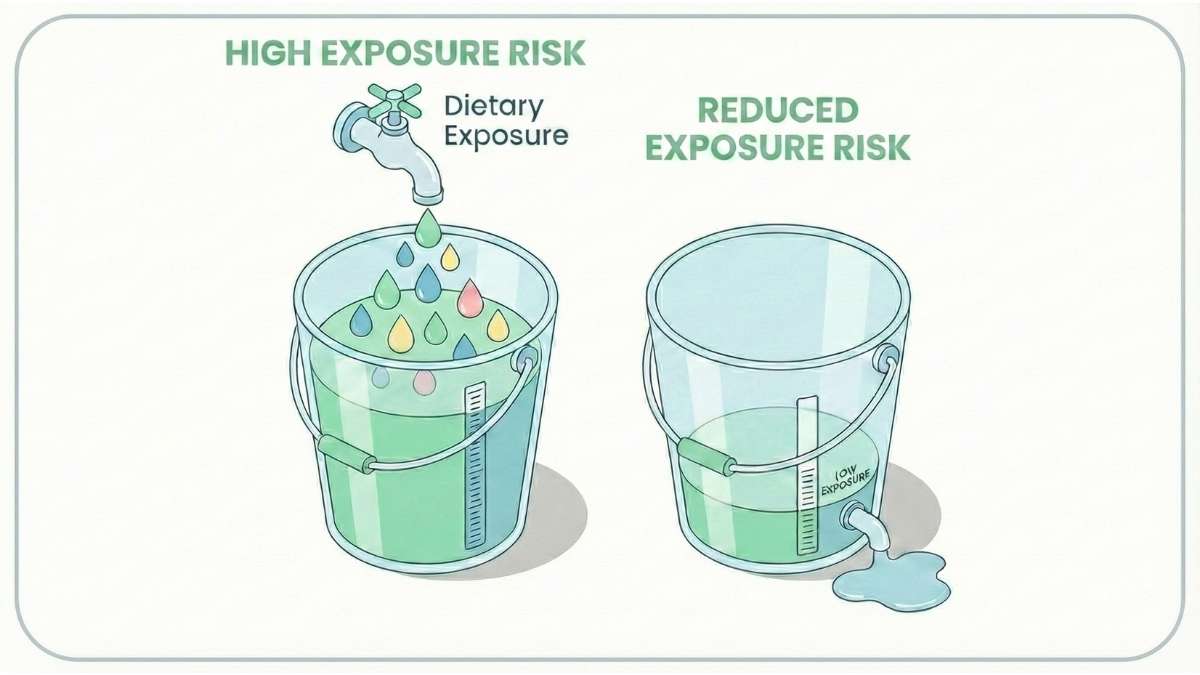 Turning Off The Tap: Switching to organic doesn't just change your meal; it reduces your body's pesticide load by nearly 90% in one week.
Toxicologists use the term Total Body Burden to describe the cumulative load of chemicals in your system. The argument for organic is not about avoiding acute poisoning today; it is about managing chronic exposure over decades.
The "Tap" Analogy:
Think of your body as a bucket under a dripping tap. Conventional food is a steady drip of low-dose exposure. Your liver detoxifies most of it, but lipophilic (fat-loving) compounds can accumulate.
The Intervention Data:
Does switching actually matter?
Yes, and fast.
A pivotal dietary intervention study by Oates et al. (2014) found that when individuals switched to an organic diet, urinary dialkyl phosphate (DAP) metabolites—indicators of organophosphate exposure—dropped by 89% within just seven days.
Recent 2025 trials in Nutrire confirmed this, showing a 98.6% reduction in specific pesticide markers. Eating organic effectively "turns off the tap," allowing your body to clear the backlog.
🍎 Nutrient Density: The
"Dilution Effect"
Is organic food more nutritious? The answer is nuanced. You won't necessarily get more calories or protein, but you will get more defense compounds.
The Mechanism:
Conventional crops are fed synthetic nitrogen. They grow rapidly and uptake massive amounts of water, which "dilutes" the nutrient concentration. This is the Dilution Effect.
Organic crops grow slower and face mild stress pressure (bugs, weather). To protect themselves, they synthesize Phytoalexins and Antioxidants (Polyphenols).
- The Result: A comprehensive meta-analysis by Baranski et al. found organic crops have 19-69% higher antioxidant levels.
- The Heavy Metal Bonus: The same study found organic crops have 48% lower levels of Cadmium, a toxic heavy metal often found in synthetic phosphate fertilizers.
🌍 Real-World Scenarios:
What If I Can't Afford It?
I am a farmer, but I am also a realist. Organic food has a Yield Gap (producing ~19% less per acre), which makes it more expensive. If you are on a budget, you need a triage strategy.
1. The "Dirty Dozen" Protocol
Prioritize organic for crops with thin skins or those prone to systemic absorption.
- MUST BUY ORGANIC: Strawberries, Spinach, Kale, Grapes, Apples, Potatoes. (Potatoes are often soil-drenched with fungicides.)
- SAFE CONVENTIONAL: Avocados, Onions, Pineapples. Their thick skins or growth habits protect the edible portion.
2. The Rice & Coffee Rule
- Rice: Organic regulations prevent arsenic-based pesticides, but arsenic is also in the soil naturally. Sourcing matters more here—look for organic Basmati from the Himalayas rather than the US South.
- Coffee: Organic coffee is critical not just for pesticides, but for Mycotoxins. Organic storage protocols are stricter regarding mold prevention.
How to Read the Label: The "9" vs.
"4" Code
When you are in the store, look at the PLU (Price Look-Up) sticker on the fruit. It is a secret code for consumers in the know.
- Starts with 9 (e.g., 94011): Organic. Grown without synthetic chemicals. Safe to buy.
- Starts with 3 or 4 (e.g., 4011): Conventional. Grown with synthetic pesticides and fertilizers. Use caution.
- Starts with 8 (e.g., 84011): GMO. Genetically Engineered. (Rarely seen, but good to know).
If you are confused by labels like "100% Organic" versus "Made with Organic," don't worry. We have decoded every variation in our article on organic food label requirements.
❓ FAQ: What is an organic food?
Q: Does organic mean non-GMO?
A: Yes. By definition, USDA Organic prohibits all Genetically Modified Organisms (GMOs). You do not need a separate "Non-GMO Project" seal if the Organic seal is present.
Q: Can I just peel the fruit?
A: Peeling removes surface residues but fails to remove systemic pesticides absorbed into the flesh. Furthermore, peeling removes the skin, which contains the highest density of fiber and antioxidants.
Q: Is organic better for the climate?
A: It is complex. Organic soil sequesters ~26% more carbon and supports 30% more biodiversity (bees/birds). However, because yields are lower, it requires more land to produce the same amount of food.

Meet Saqib
Saqib Ali Ateel is a PhD Scholar by training and a "student of the soil" by nature. He combines deep research, hands-on farming wisdom, and agricultural systems supervision to reveal what’s really on your plate. His mission is simple: to help your family navigate the food industry's complexity so you can eat cleaner, safer, and smarter.
📚 References
- Nano Letters, 2024. "Visualization of Pesticide Distribution in Fruits."
- Environmental Research, 2014. "Frequency of organic food consumption... and biomarkers of pesticide exposure." (Oates et al.)
- British Journal of Nutrition, 2014. "Higher antioxidant and lower cadmium concentrations... in organically grown crops." (Baranski et al.)
- Code of Federal Regulations, Title 7 Part 205 (National Organic Program).
10 Core Benefits of Organic Food
Organic Food Label Requirements
- USDA Guidelines for Organic Food
- Organic vs Natural Food
- USDA Organic vs Non-GMO Project Verified
- GMO vs Organic Food
- What Makes Organic Food Organic
- Can Organic Food Be GMO
- CRISPR Organic Food
Is Organic Food Worth It (ROI)
Organic Food Benefits for Children