100% Organic Coffee: What "100%" Really Means
in Your Cup
Most people assume 100% organic coffee is a safety shield, but your body feels the truth long before the label does. If you drink three or more cups a day, are pregnant, or wrestle with GERD, the difference between a calm, clear morning and a jittery, acid-burning crash usually comes down to how those beans were grown, washed, and roasted—not what the front of the bag claims.
As a soil researcher who also pulls shots in a small farm kitchen, I've watched wind, rain, and groundwater drift sneak chemical residues into fields that “should” be clean on paper. That's why I treat every bag like a lab sample, dissecting shade cover, altitude, processing method, and roast chemistry before it ever touches hot water. In this article, we will discuss a simple trusted buying protocol that pairs true-organic farming with washed processing and strategic dark roasts to close the “purity gap” that certification can't cover. By the end, you'll be able to audit any bag in under a minute and choose beans that are genuinely safer for heavy drinkers, expectant moms, and sensitive stomachs.
🧭 Choose Your Clean
Coffee Path
We don't need to analyze every soil sample to make a grocery decision. Use this 2026 decision logic to match your habit to the right bean safety profile:
Scenario A: The "Heavy User" (3+ Cups/Day)
- The Risk: Biological accumulation. Even "safe" pesticide limits stack up over thousands of cups.
- Recommendation: Mandatory 100% Organic. You need to eliminate the baseline chemical load.
Scenario B: The "Expectant Mom" (Pregnant/Nursing)
- The Risk: Endocrine disruptors like Chlorpyrifos are often found in imported conventional beans.
- Recommendation: Strictly Organic + Swiss Water Decaf. Avoid solvent-based decaf (Methylene Chloride).
Scenario C: The "Budget Conscious."
- The Risk: Organic certification is expensive.
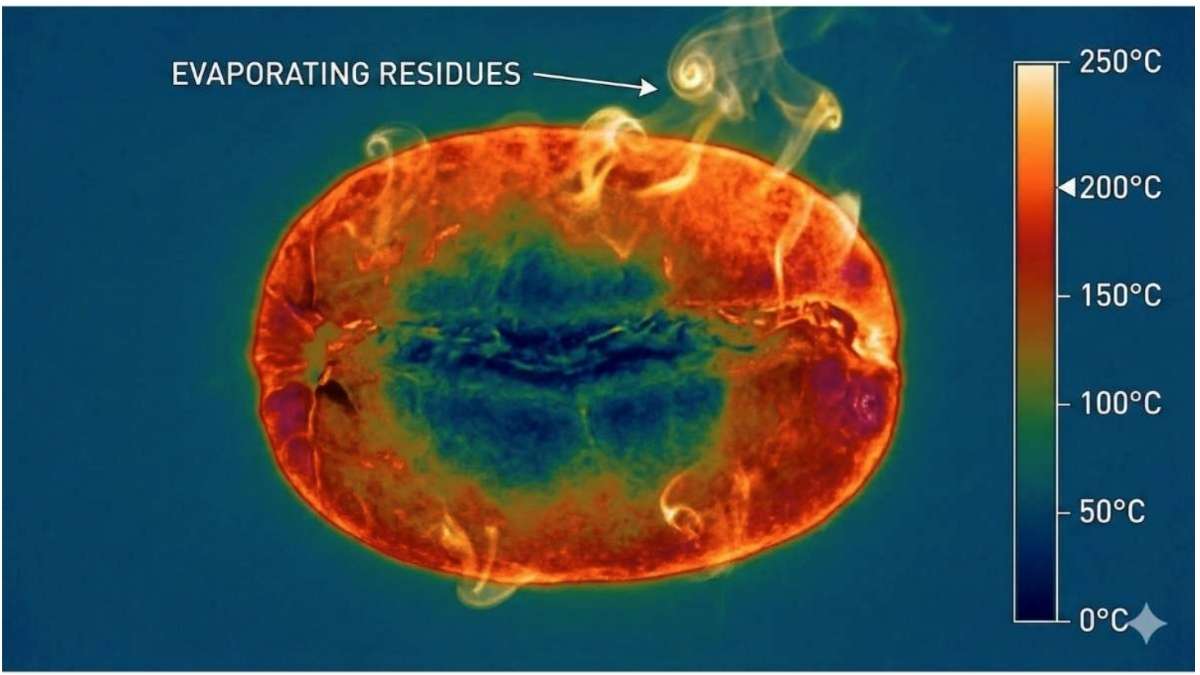
- Recommendation: Conventional Dark Roast. The high heat of a dark roast (over 200°C) acts as a thermal sanitizer, destroying between 73% and 90% of pesticide residues
The Science: The "Sponge Effect" & Hidden Water
Marketing sells you the bean, but science tells you about the water.
A coffee tree is essentially a hydraulic pump. It pulls groundwater up through its roots to feed the cherry. In conventional farming, this groundwater is often laced with 180+ synthetic chemicals, including systemic herbicides that cannot be washed off because they are inside the plant.
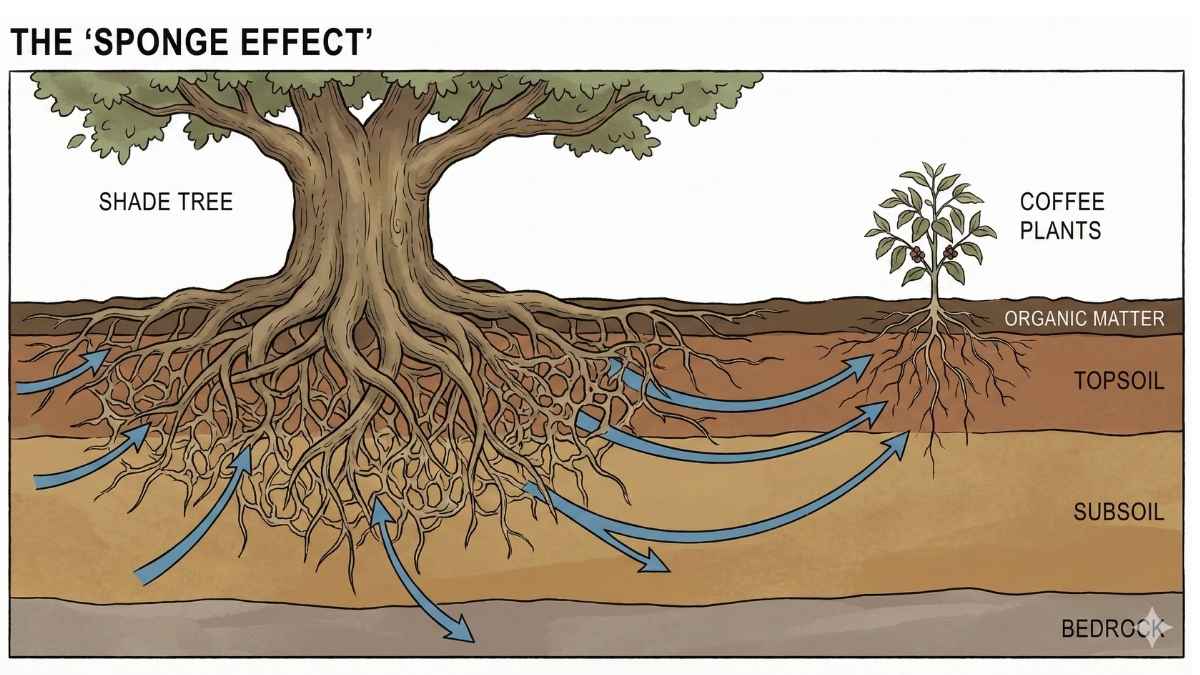
The "Drift" Reality: Even "100% Organic" farms face a challenge called hydrogeological transport. If a conventional farm uphill sprays glyphosate, the runoff can travel down to the organic farm below. Recent investigations revealed that trace levels of AMPA (a glyphosate metabolite) can sometimes be found in organic soil due to this "drift".
The Defense Mechanism: This is why Shade-Grown is a non-negotiable partner to "Organic." The massive root systems of shade trees act as a "biological sponge," filtering groundwater contaminants before they reach the coffee roots.
Legally, it ensures the soil has been managed without synthetic pesticides for at least three years. That leaves you with a bean rich in natural antioxidants, rather than one carrying traces of industrial sprays.
🔬 Deep Dive Reviews: The
2026 Winners
1. The Clinical Choice: Lifeboost Organic
- Best For: Biohackers & Health Purists.
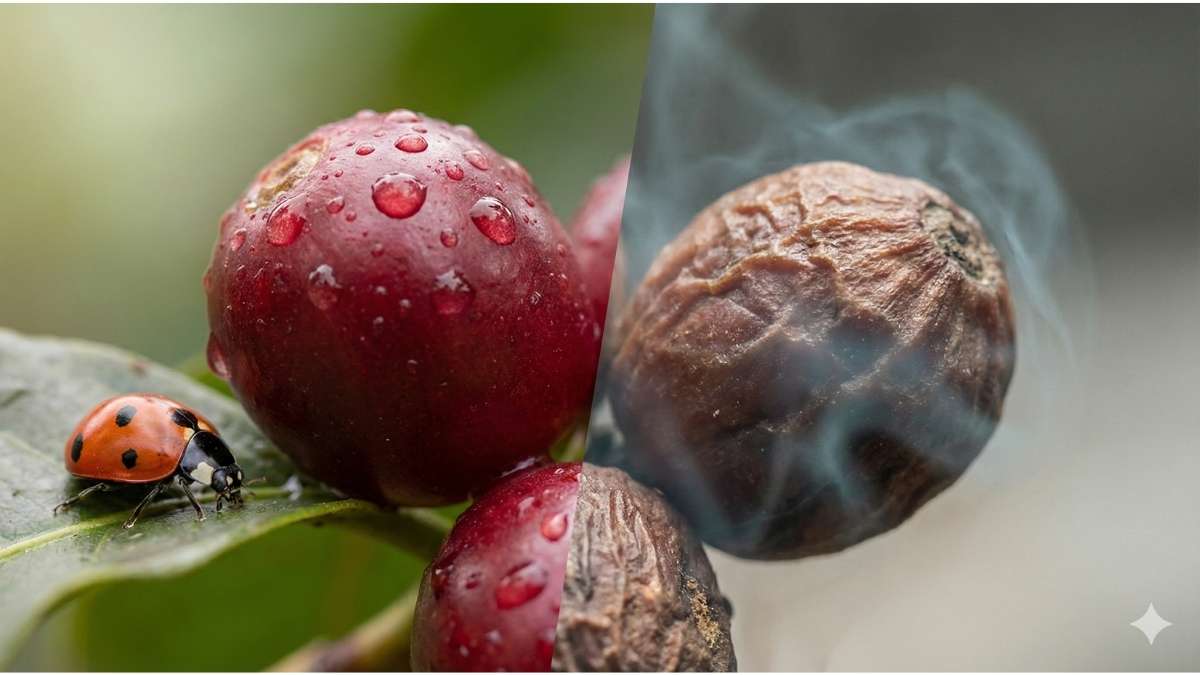
- The Science: This coffee is "Washed Processed" and shade-grown at high altitude. By mechanically scrubbing the fruit flesh from the bean before drying, they remove the sugar source that mold fungi (such as Aspergillus) feed on.
- The Catch: The price. You are paying for the 3rd-party lab tests and hand-selection.
2. The Daily Staple: Kicking Horse (Smart Ass)
- Best For: Daily drinkers who want grocery store availability.
- The Science: Certified Organic and Shade-Grown. The shade canopy slows ripening, resulting in denser beans with higher sugar content and lower acidity.
- The Catch: It’s a blend, so single-origin traceability is lower than boutique brands.
3. The Hard Pass: Plastic K-Cups
- Verdict: Avoid.
- The Science: Even if the coffee inside is 100% organic, the brewing method compromises it. Pressurizing hot water through a plastic cup forces phthalates (endocrine disruptors) into the lipid layer of the coffee.
- The Fix: If you must use pods, choose brands using compostable mesh or brew your organic beans in a glass French Press.
🏛️ The April 2025
"Healthy" Label Update
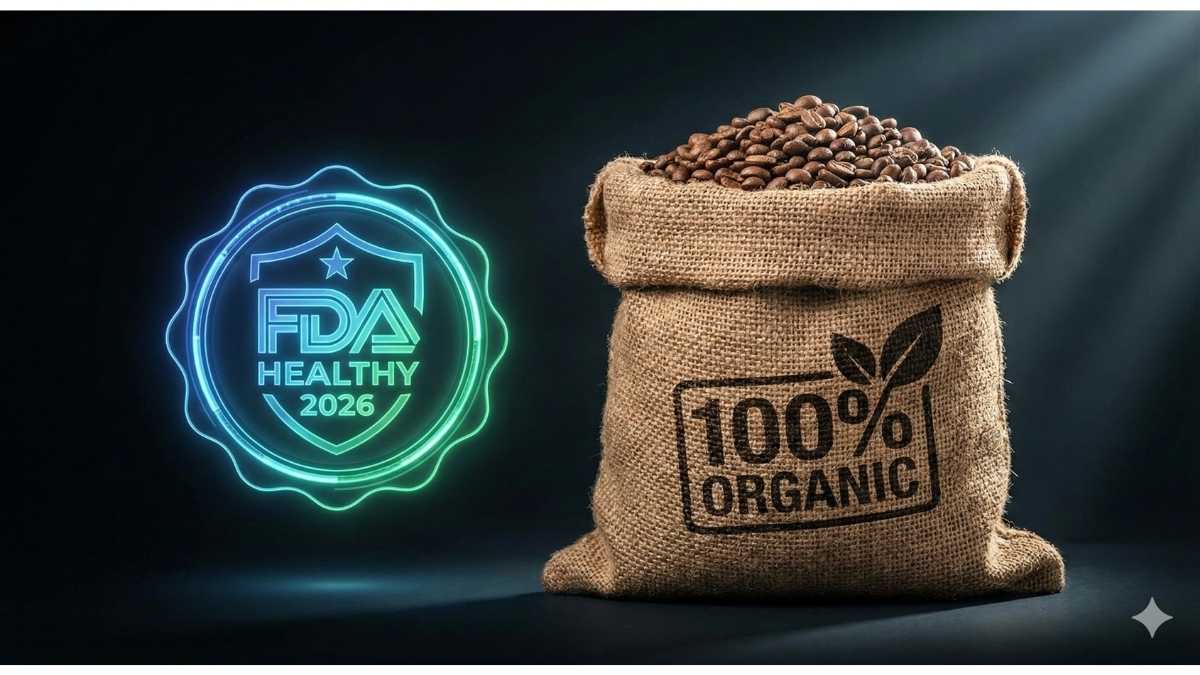
April 2025 changed the game altogether. The FDA updated the rules to officially label your morning brew "healthy"—but only if you skip the syrup and keep the added sugar at zero.
- The Rule: The coffee must have zero added sugars and be a "nutrient-dense" beverage.
- The "100%" Connection: While conventional coffee qualifies, Organic Coffee holds the biological edge. Because organic plants aren't "spoon-fed" fertilizers, they develop a more robust cellular structure. This leads to the "Inversion Effect": Organic infusions often deliver higher concentrations of bioavailable Chlorogenic Acids (CGA) to your body than conventional ones, maximizing the metabolic benefits the FDA now recognizes.
❓ Frequently Asked Questions (PAA
Optimized)
Is 100% organic coffee really pesticide-free?
Not always 100%. While organic farming bans synthetic pesticides, "drift" from nearby conventional farms can introduce trace levels of compounds like AMPA. However, organic coffee is consistently 90-95% cleaner than conventional beans, which are treated with up to 180 different chemicals.
Is organic coffee better for your stomach (GERD)?
Yes, but the roast matters more than the label. Organic beans lack synthetic residues that can irritate the gut liner, but Dark Roasts are the real secret. They contain N-methylpyridinium (NMP), a compound formed during roasting that specifically blocks stomach acid secretion.
Which organic coffee is best if I drink 3+ cups a day?
For heavy volume, choose a Shade-Grown, Wet-Washed organic bean. The shade-grown aspect ensures higher antioxidant density to counteract oxidative stress, while the wet-washing process minimizes the risk of consuming trace mycotoxins that can accumulate in the body over time.

Meet Saqib
Saqib Ali Ateel is a PhD Scholar by training and a "student of the soil" by nature. He combines deep research, hands-on farming wisdom, and agricultural systems supervision to reveal what’s really on your plate. His mission is simple: to help your family navigate the food industry's complexity so you can eat cleaner, safer, and smarter.