The PhD Farmer’s Guide to the Best Organic Coffee Brands
(2026): Lab Data & Mold Myths
As we step into 2026, hunting for the best organic coffee brands takes more than a quick sip; you need to look past the label and check the actual lab results. Marketing campaigns are still flooding the industry with terrifying terms like "mycotoxins," "pesticide soup," and "chemical solvents," but the science has evolved.
As a PhD scholar who studies the data, and a farmer who knows the soil, I can tell you this: Coffee is chemically complex. It is a suspension of over 1,000 distinct bioactive compounds. It is not magic. It is botany and thermodynamics.
The "clean" cup you are looking for in the new year isn't a miracle. It is the result of agricultural discipline and the physics of roasting. In this guide, we move past the fear-mongering. We use the latest peer-reviewed toxicology data to rank brands on verifiable chemical safety for 2026.
Let’s brew the truth. ☕
🧪 Actionable Safety Tips for 2026
- 🔥 Roasting Kills Mold: Standard roasting temperatures (400°F+) naturally reduce mold toxins like Ochratoxin A by up to 96%, rendering "mold-free" marketing largely redundant.
- 🌡️ Pesticides Fade in Heat: Chemicals like Glyphosate are unstable at high temperatures and degrade significantly during the roast, though Organic remains best for soil health.
- ⚖️ The Roast Trade-Off: There is no "zero-toxin" roast. Light roasts have more antioxidants but higher Acrylamide; Dark roasts are lower in acidity but higher in Furans.
- ☕ Decaf is Safe: Solvents like Methylene Chloride evaporate at 103°F. Since beans roast at 400°F, the chemical is physically removed before brewing.
The Science of "Clean" Coffee: Fact vs. Fiction
🔬
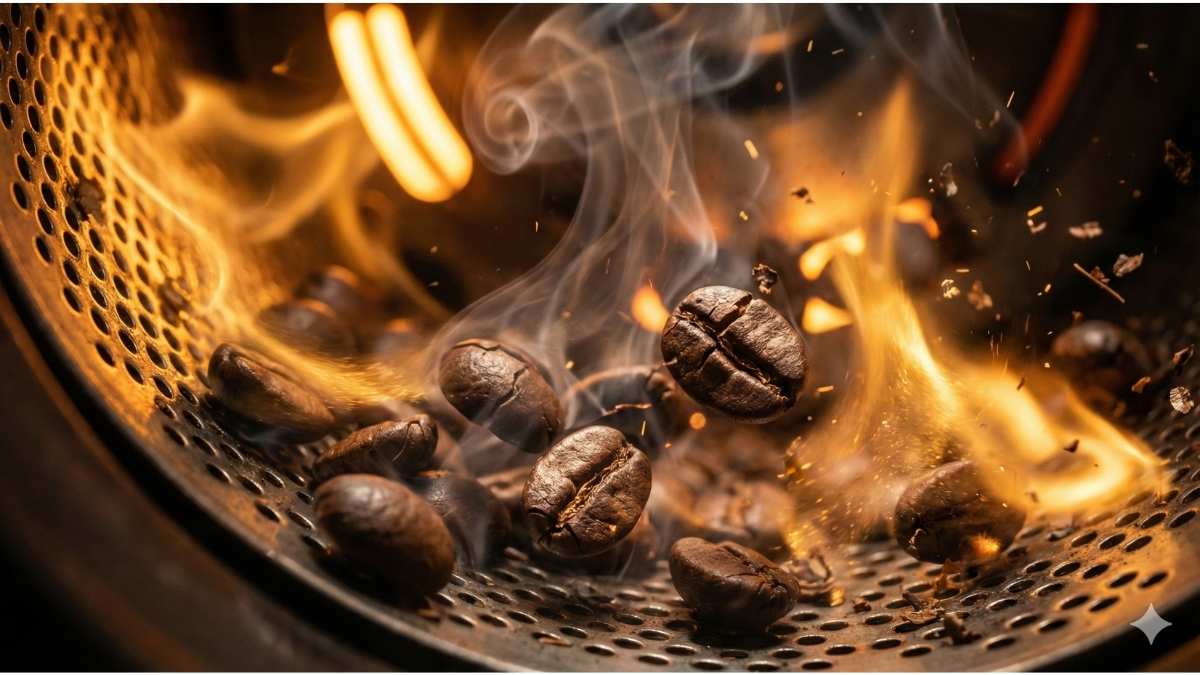 The intense heat of roasting (400°F+) acts as a natural sanitizer, destroying up to 96% of mycotoxins.
Before we rank the beans, we must debunk the biology. There is a massive gap between consumer perception and chemical reality. Here is what the latest longitudinal data actually says.
The "Mold-Free" Myth vs. Roasting Reality 🍄
The Fear: You have likely heard the statistic that "90% of coffee is moldy." This implies your standard cup is toxic sludge.
The Farmer’s Perspective: Let’s face it: on a tropical farm, mold spores are as common as the dirt on our boots. Finding fungal DNA on raw green coffee is as normal as finding dust on a potato.
The Scientific Nuance: There is a critical difference between the fungus (the organism) and the mycotoxin (the poison it produces, like Ochratoxin A).
- The Kill Step: Roasting is a form of pyrolysis. We heat beans to over 400°F (200°C). 🔥
- The Data: Research confirms that roasting acts as a decontamination step. It reduces Ochratoxin A (OTA) levels by 69% to 96%, depending on the roast darkness.
- The Verdict: "Mold-free" certification is a valid quality control check. However, standard commercial roasting already renders the vast majority of coffee chemically safe.
Pesticides: Do They Survive the Roast? 🚜
The Fear: That drinking conventional coffee means ingesting a cocktail of glyphosate (Roundup).
The Fact: Glyphosate is thermolabile. This means it is unstable at high heat. It does not survive the roaster intact.
- Thermal Destruction: Kinetic studies show that roasting degrades glyphosate residues by 59% (Medium Roast) to 74% (Dark Roast).
- Legacy Pesticides: Older chemicals like Endosulfan break down even more. They often show >99% reduction or become undetectable in the final brew.
- The Reality: We buy organic not because the conventional cup is toxic to us. We buy it because it is toxic to the farmworker and the soil. 🌍 The risk to the consumer is negligible, but the benefit to the planet is massive.
The "Unavoidable Trade-Off": Acrylamide vs. Furans ⚖️
This is the nuance that most "wellness gurus" miss. You cannot have a "zero-toxin" roast. The laws of thermodynamics prohibit it.
- Light Roasts: High in Acrylamide (a carcinogen formed early in the browning phase) but Low in Furans.
- Dark Roasts: Low in Acrylamide (it burns off) but High in Furans (volatile compounds formed by intense heat).
The Takeaway: Stop looking for "perfect." The medical consensus is that the health benefits of coffee outweigh these trace risks. Choose your roast based on flavor, not fear.
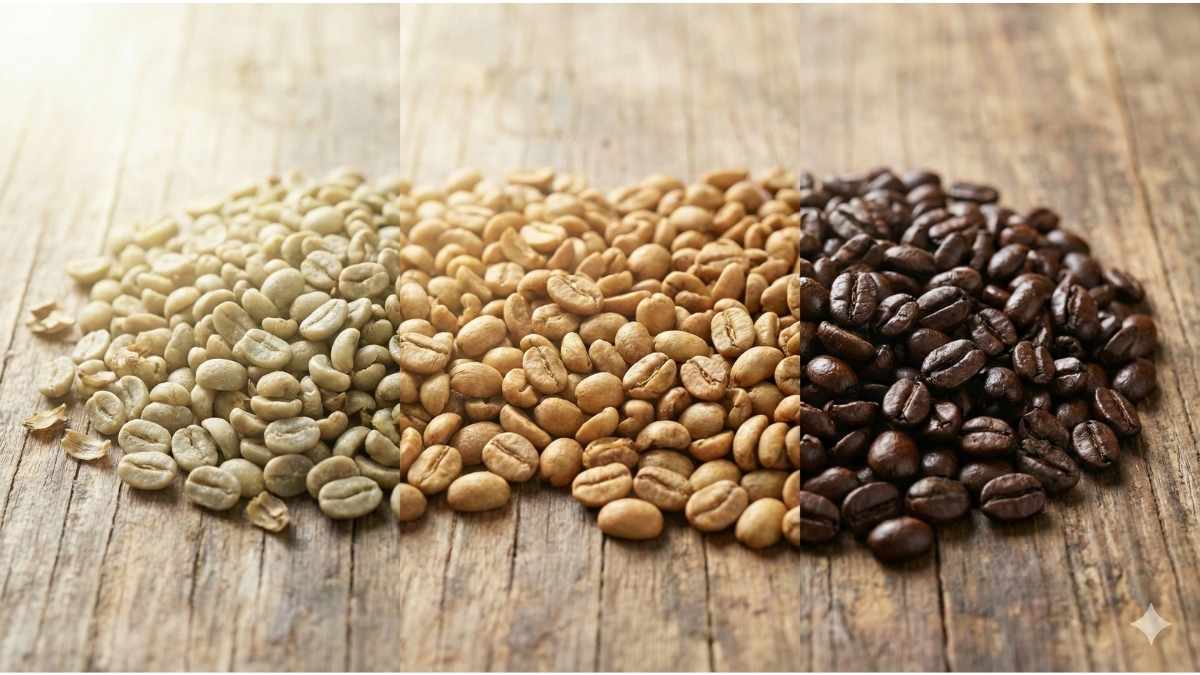 There is no "zero-toxin" roast; light roasts have higher Acrylamide, while dark roasts contain more Furans.
Evaluation Methodology: How We Ranked These Brands 📝
We tuned out the marketing noise and analyzed the chemistry to rank these brands on three hard rules:
1. Transparency Score: Do they publish third-party Certificates of Analysis (CoAs)?
2. The "EU Standard" Check: Do they meet the strict European limit for OTA (3.0 ppb) vs. the undefined/loose US standard?
3. Sourcing Ethics: Are they paying the farmer enough to care for the soil? (Fair Trade/Direct Trade).
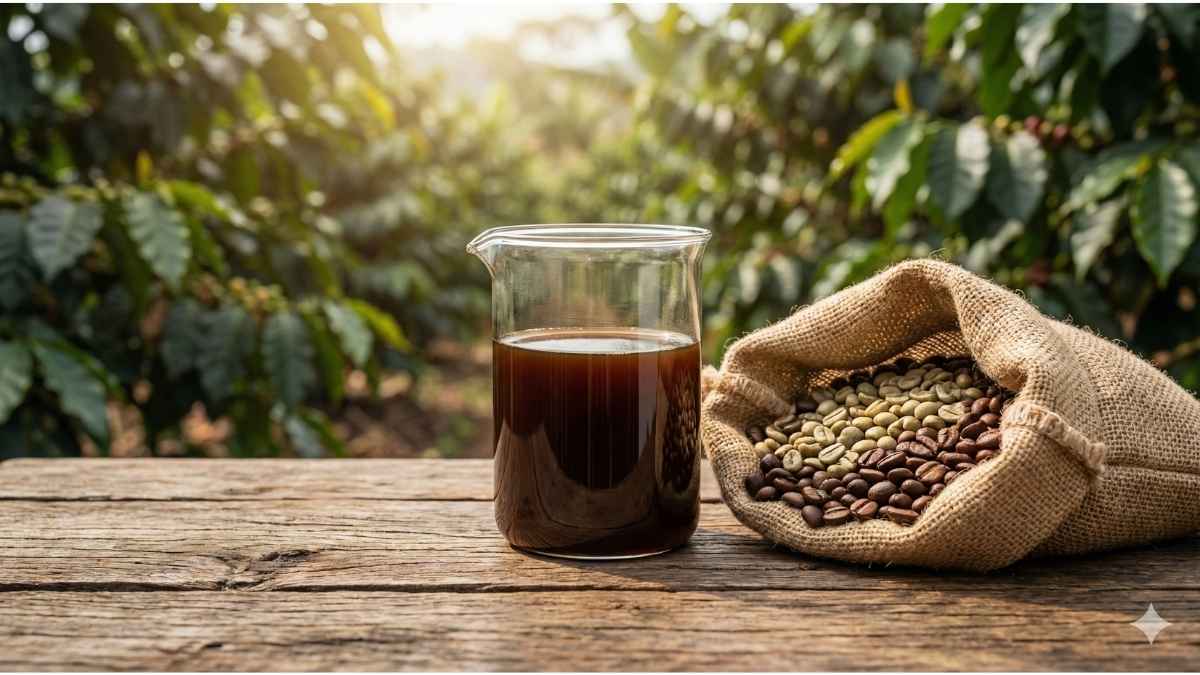 We prioritized brands that provide public Certificates of Analysis (CoAs) to verify their safety claims.
Top 10 Best Organic Coffee Brands (Ranked by Lab
Transparency) 🏆
(Note: While we analyze the science, taste is subjective. These brands are leaders in the "clean coffee" space.)
1. Lifeboost Coffee (The Low-Acid Specialist)
- Roast Profile: Medium-Dark
- The Lab Spec: Rigorous third-party testing for mycotoxins, heavy metals, and 400+ toxins.
- The Science: Lifeboost relies on single-origin beans grown at high altitudes in Nicaragua. Scientifically, high altitude means fewer insect pests. This results in less need for pesticides and lower fungal pressure naturally.
- The Taste: Extremely smooth. Notes of cocoa and caramel with zero bitter aftertaste.
- Best For: The Sensitive Stomach. If coffee gives you heartburn, the chemistry of this bean is your best friend.
2. Purity Coffee (The Antioxidant Maximizer)
- Roast Profile: "Flow" (Medium) and "Ease" (Dark)
- The Lab Spec: Claims to test for mold and mycotoxins to a standard higher than organic requirements; they specifically monitor Chlorogenic Acid (CGA) levels.
- The Science: Purity treats coffee as a supplement. They tweak the roasting curve to maximize antioxidant retention while minimizing acrylamide. They acknowledge the "Goldilocks" zone of roasting thermodynamics.
- The Taste: Bright, crisp, and complex. You can taste the fruit (the coffee cherry) in the cup.
- Best For: The Health Optimizer. If you drink coffee for the polyphenols and longevity, this is your brew.
3. Fabula Coffee (The Freshness Obsessive)
- Roast Profile: Medium & Dark options
- The Lab Spec: Independent laboratory testing for mold and 350+ chemicals; focus on lipid stability (freshness).
- The Science: Fabula emphasizes the "freshness" factor. From a lipid oxidation standpoint, coffee stales rapidly after roasting. Fabula roasts and ships immediately, preventing the rancidity of natural coffee oils that can cause inflammation.
- The Taste: Nutty and earthy. Very approachable for the everyday drinker.
- Best For: The Home Barista. Great transparency and consistently fresh beans delivered to your door.
4. Natural Force (The Data Geek's Choice)
- Roast Profile: Clean, Medium-Dark
- The Lab Spec: The "Clean Label Project" standard. They are one of the few brands that actually post the Certificates of Analysis (CoAs) publicly on their site.
- The Science: They focus on "bio-availability." By testing for heavy metals and mold, they ensure the coffee doesn't add a toxic load to your system, which is critical for the keto/paleo crowd they serve.
- The Taste: Robust and clean, designed to mix well with MCT oil or butter without losing flavor.
- Best For: The Biohacker. If you want to see the PDF lab report before you take a sip, this is your brand.
5. Kicking Horse Coffee (The Dark Roast Standard)
- Roast Profile: "Kick Ass" (Dark)
- The Lab Spec: 100% Certified Organic and Fairtrade; strict moisture control during processing.
- The Science: Roasted in the Canadian Rocky Mountains. The altitude and dry air during roasting help stabilize the bean and prevent secondary mold growth during packaging.
- The Taste: Smoky, sweet vanilla, and dark chocolate. It’s a punch in the face (in a good way).
- Best For: The Grocery Store Buyer. You can find this high-quality option on shelves, not just online.
6. Volcanica Coffee (The Soil Specialist)
- Roast Profile: Various (Huge selection)
- The Lab Spec: Focuses on mineral content from volcanic ash soil; organic certification ensures no synthetic inputs.
- The Science: Volcanic soil is rich in minerals like potassium and magnesium, which the coffee plant absorbs. This creates a denser, more nutrient-rich bean structure that stands up well to roasting.
- The Taste: Wildly varied depending on origin, but generally rich, heavy-bodied, and complex.
- Best For: The Exotic Palate. If you want to try organic beans from rare origins like the Galapagos or Sumatra.
7. Four Sigmatic (The 2026 "Functional" Trend)
- Roast Profile: Medium (blended with Lion's Mane/Chaga)
- The Lab Spec: Verified organic coffee base; mushrooms are log-grown (not grain-grown) and tested for heavy metals.
- The Science: In 2026, "stacking" habits is key. They pair caffeine (a stimulant) with Lion’s Mane (a nootropic) and Chaga (an adaptogen). This theoretically balances the "jitters" with sustained focus, though the base coffee quality is what matters most to us.
- The Taste: Surprisingly normal. You do not taste the mushrooms; it just tastes like a nutty, medium roast coffee.
- Best For: The Wellness Trendsetter. Perfect for those looking to get more out of their morning ritual than just a wake-up call.
8. Death Wish Coffee (The High-Octane Anomaly)
- Roast Profile: Dark & Intense
- The Lab Spec: USDA Organic and Fair Trade. (Yes, even the "world's strongest coffee" is clean).
- The Science: They use Robusta beans in their blend. Robusta has nearly double the caffeine and chlorogenic acid of Arabica, but also tastes more bitter. Organic certification here is crucial because Robusta is often heavily sprayed in conventional farming.
- The Taste: Bold, intense, but smooth. It lacks the acidity of light roasts but packs a massive caffeine wallop.
- Best For: The Shift Worker. When you need maximum energy but refuse to drink chemical-laden energy drinks.
9. Subtle Earth / Don Pablo (The Budget Bulk Hero)
- Roast Profile: Medium-Dark
- The Lab Spec: GMO-Free, Organic Certified (CCOF); sourced from the Marcala region in Honduras.
- The Science: This is "shade-grown" at scale. The Marcala region has a protected designation of origin, meaning the soil quality is monitored regionally. It’s a great example of how you can do organic volume without sacrificing safety.
- The Taste: Classic coffee flavor. Chocolatey, deep, and familiar.
- Best For: The Budget Buyer. Proof that you don't need to pay $30/bag for clean, organic beans.
10. Equal Exchange (The Ethical Benchmark)
- Roast Profile: Various
- The Lab Spec: The OG of Fair Trade. Strict organic standards and direct connection to farmer co-ops.
- The Science: Small-scale farming (co-ops) often uses "permaculture" techniques naturally. By planting coffee among other crops (bananas, avocados), they create a biodiverse barrier against pests, reducing the need for even organic pesticides.
- The Taste: Honest and straightforward. It tastes like hard work and fair pay.
- Best For: The Ethical Shopper. If your primary concern is the human at the other end of the supply chain.
At-a-Glance: PhD Farmer's Comparison Matrix 📊
Note: We graded these brands based on transparency (do they show the data?), safety (organic/mold protocols), and value.
Deep Dive: Is "Chemical Decaf" Actually
Dangerous? 🧪
This is one of the most persistent myths in the industry. Let's look at the thermodynamics of Methylene Chloride (MC), the solvent used in many decaf processes.
The Thermodynamics of Methylene Chloride
- The Fear: Solvents cause cancer, so decaf is poison.
- The Fact: MC is volatile. Its boiling point is only 39.6°C (103°F).
- The Roasting Wall: Coffee is roasted at temperatures exceeding 200°C (400°F).
The Scientist's Verdict: It is physically impossible for significant amounts of solvent to survive the roast. It evaporates in seconds.
- FDA Limit: 10 ppm.
- Actual Residue: Industry tests consistently find residues <0.1 ppm, and often undetectable.
While the "Swiss Water Process" is an excellent chemical-free method, do not fear standard decaf. The "poison" is gone long before the beans reach your grinder.
Organic vs. Conventional: The Nutrient Density Debate 🍃
Does organic coffee actually have more nutrients? The "Growth-Differentiation Balance" hypothesis suggests that plants under mild stress (organic) produce more defense compounds (antioxidants).
The Data is Conflicting:
- Study A: Shows organic beans have 15–20% higher Chlorogenic Acid.
- Study B: Shows conventional beans have higher antioxidants because the plants are well-fertilized and robust.
The Farmer's Take: Don't obsess over the milligram of antioxidant. Organic is about the system, not just the bean. It’s about keeping synthetic nitrogen out of our waterways. That is reason enough to buy it.
Buying Guide: How to Choose Based on Your Biology 🛒
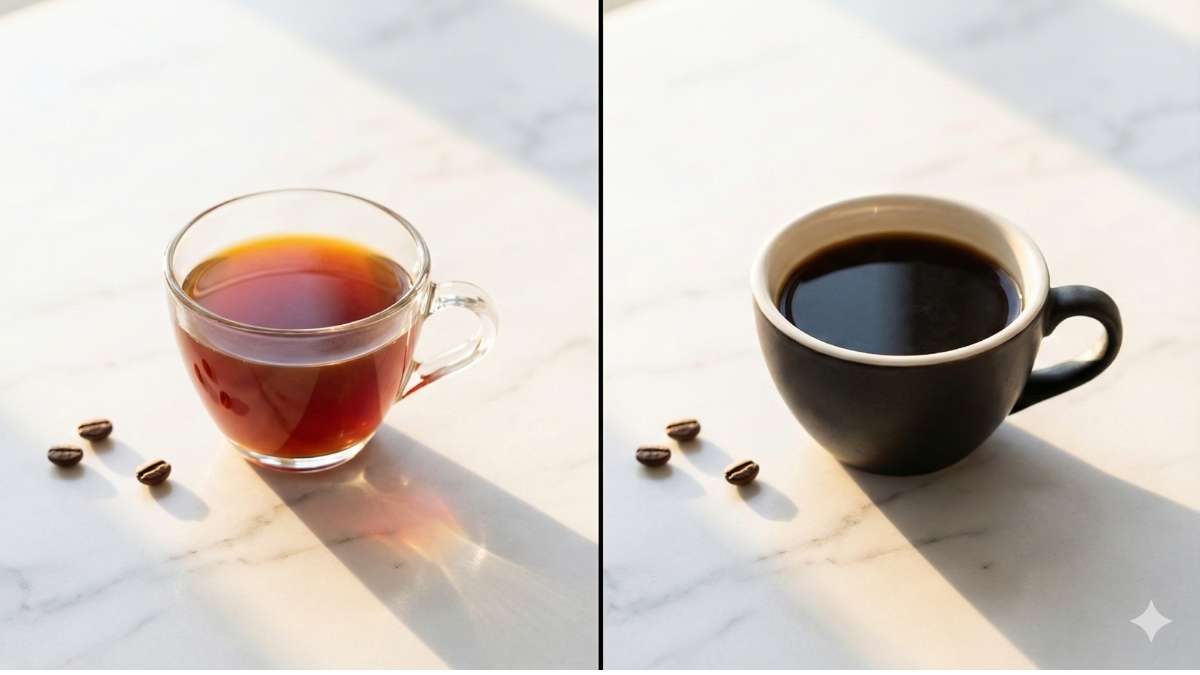 Choosing the right roast isn't just about taste—it's about matching the bean's chemistry to your body's needs.
Your biology is unique, so picking a roast isn't just about taste—it's about scientifically matching the bean to your body.
- If you have Acid Reflux: Choose Dark Roasts. The roasting process creates N-methylpyridinium. This compound actually inhibits stomach acid secretion.
- If you want Maximum Antioxidants: Choose Light/Medium Roasts. Chlorogenic acid is heat-sensitive. It degrades as the roast gets darker.
- If you are Immune Compromised: Choose Washed (Wet) Process beans. Because the fruit is removed before drying, there is historically a lower risk of fungal growth compared to "Natural" process beans.
- If you are following the "Functional" Trend (2026): Look for Purity or Lifeboost. In 2026, we are seeing a massive surge in "wellness coffees" (mushroom blends, adaptogens), but be careful—adding medicinal mushrooms to a cheap, moldy bean defeats the purpose. Always start with a certified organic, tested base first.
Frequently Asked Questions (The PhD Answers) ❓
Q: Is "mold-free" coffee a scam?
A: It is not a scam, but it is an exaggeration. It verifies what good roasting already does (reduces OTA by ~96%). You are paying for peace of mind, not necessarily a safer cup.
Q: Does organic coffee have zero pesticides?
A: Not always. "Drift" happens. Wind blows chemicals from conventional farms to organic ones. However, levels found in organic coffee are microscopic and far below safety limits.
Q: Why don't US brands list mycotoxin levels?
A: The FDA does not enforce a strict numerical limit like the EU's 3.0 ppb (parts per billion). They use a "case-by-case" safety assessment. This regulatory gap is why brands like Purity and Lifeboost self-regulate.
External References for Further Reading
1. US Food & Drug Administration (FDA): Chemical Contaminants, Metals, Natural Toxins & Pesticides Guidance Documents
2. National Center for Biotechnology Information (NCBI): Coffee and Health: A Review of Recent Human Research
3. National Coffee Association (NCA): Decaffeination: How Decaf Coffee is Made

Meet Saqib
Saqib Ali Ateel is a PhD Scholar by training and a "student of the soil" by nature. He combines deep research, hands-on farming wisdom, and agricultural systems supervision to reveal what’s really on your plate. His mission is simple: to help your family navigate the food industry's complexity so you can eat cleaner, safer, and smarter.
- Home
- Clean Coffee Guide
- Best Organic Coffee Brands