The Organic Coffee Company Review: Is Their Coffee Really
Clean & Safe? (2026 Audit)
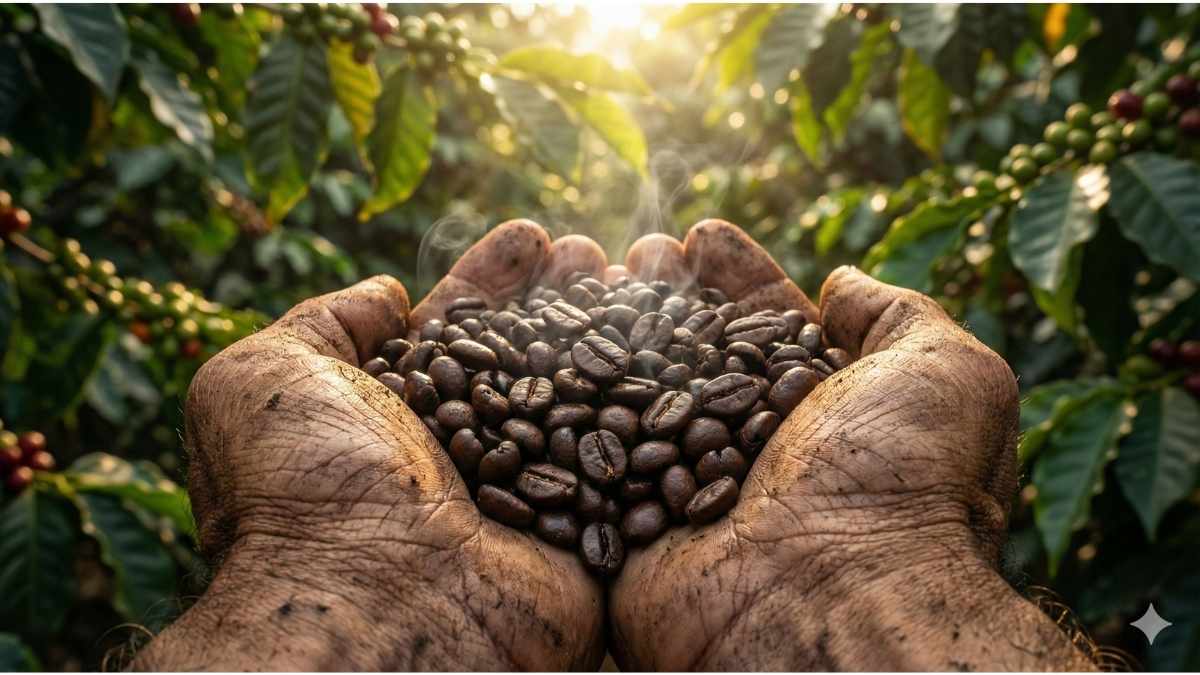
The moment you crack the seal on a bag of The Organic Coffee Company beans, you shouldn't just smell "coffee." You should smell the distinct, damp earth of a shade canopy—a sensory marker that the bean wasn't baked in a monoculture oven. As a researcher who spends half my life analyzing soil chromatographs and the other half pulling espresso shots in a farmhouse kitchen, I know that what happens in the soil doesn't stay there. It ends up in your cup and, eventually, in your bloodstream.
Here is the raw breakdown, stripping away the label art to reveal the truth: do these beans actually keep hidden toxins out of your cup and the bloat out of your belly?.
🚦 Quick Summary: Is The Organic
Coffee Company Safe?
If you are standing in the aisle (or staring at an online cart) needing a quick answer, here is the bottom line based on my analysis of the 2026 data for The Organic Coffee Company.
- Is it Safe? Yes. While no coffee is immune to global pollution drift, this brand’s shade-grown methods and wet processing make it significantly cleaner than conventional options.
Who is it Best For?
- Decaf Drinkers: Their water-process method avoids the carcinogenic solvents used by competitors.
- Sensitive Stomachs: Their dark roasts are chemically friendlier to your gut.
- Eco-Conscious: Buying this brand protects massive carbon stocks that new tree planting cannot replace.
- The Verdict: A legitimate health upgrade, provided you choose the right roast and avoid the plastic pods.
🏆 Top Picks Snapshot: The "PhD Farmer" Harvest Log
If you want to skip the chemistry lesson, here is my harvest log based on the biological realities of processing:
-
Best for "Clean" Caffeine: Gorilla Decaf (Whole Bean)Verdict: It uses the Natural Water Process. Zero solvents. Scientifically superior to standard organic decafs that might use chemicals.
-
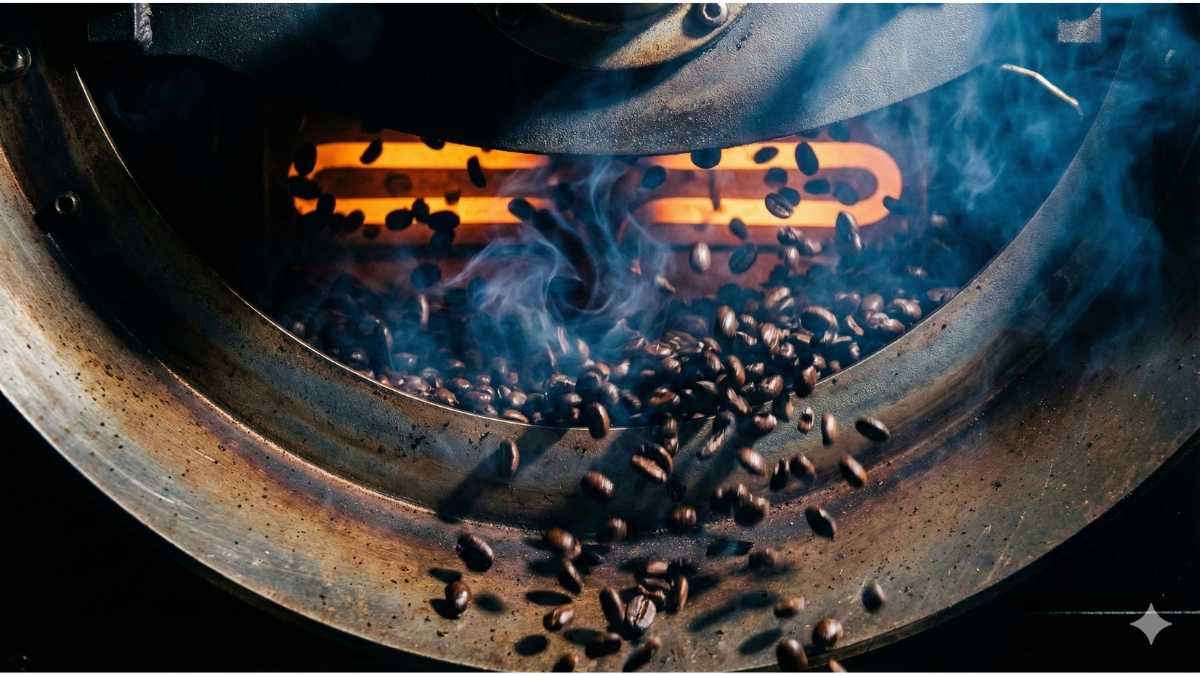
Best for Sensitive Stomachs: French Roast (Dark)Verdict: High heat creates N-methylpyridinium (NMP), a compound generated during roasting that actively inhibits gastric acid secretion.
-
The "Convenience" Compromise: OneCup (Compostable Pods)Verdict: Plastic pods are a primary vector for Phthalates (like DEHP) due to heat and pressure. Compostable mesh options reduce this plastic contact.
-
The East Coast Alternative: Organic Vermont Coffee CompanyVerdict: A solid alternative if you prefer wood-fired profiles, though certified organic shade-grown beans consistently score higher on density and complexity.
🛑 The Blunt Answer: Which Roast Should You Buy?
I dug through the 2025–2026 coffee lab reports to see what is actually safe—here is the exact checklist I use to fill my own cup.
-
For the "Toxin" Anxious: Buy Organic.While recent data suggests environmental drift can introduce trace residues even in organic, organic farming avoids direct application. Roasting further destroys between 73% and 90% of these residues.
-
For the Acid-Reflux Sufferer: Buy Dark Roast.The data confirms that roasting past the "second crack" creates N-methylpyridinium (NMP), which shields your stomach from acid.
-
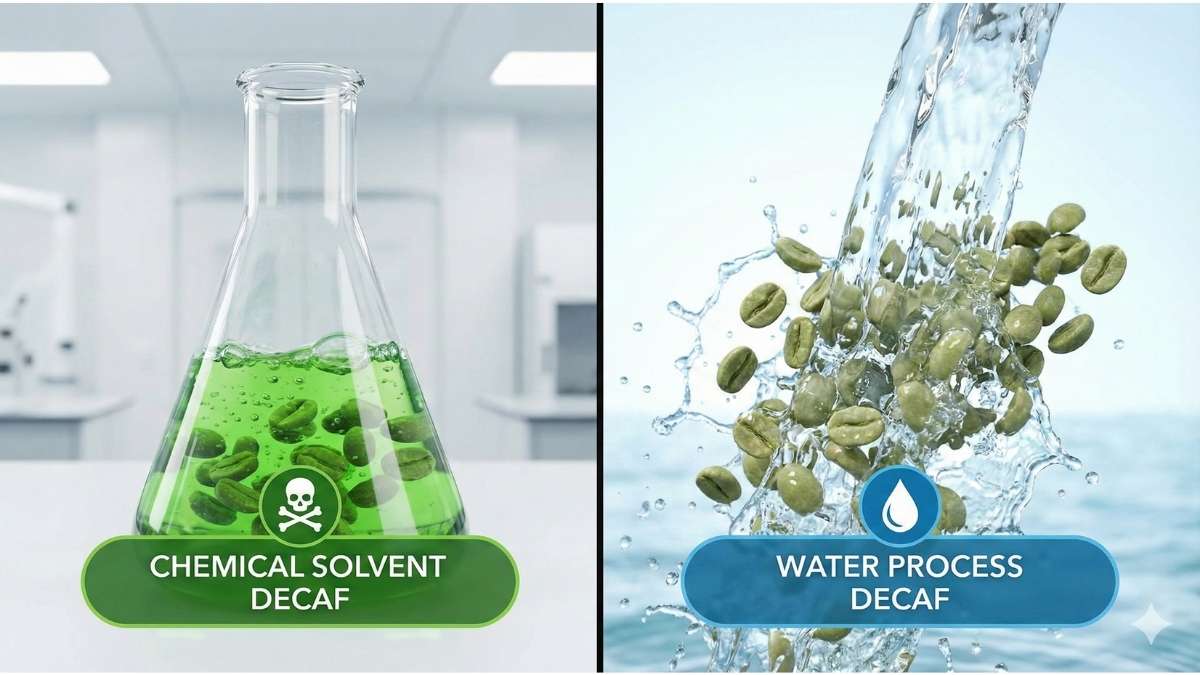
For the Decaf Drinker: MANDATORY SWITCH.Most commercial decaf is made using Methylene Chloride, a known carcinogen found in paint strippers. You must choose water-processed beans to avoid this chemical bath.
🧪 The Science: The
"Hidden Water" Path
Before we judge the brand, we must address the 2026 data on "purity."
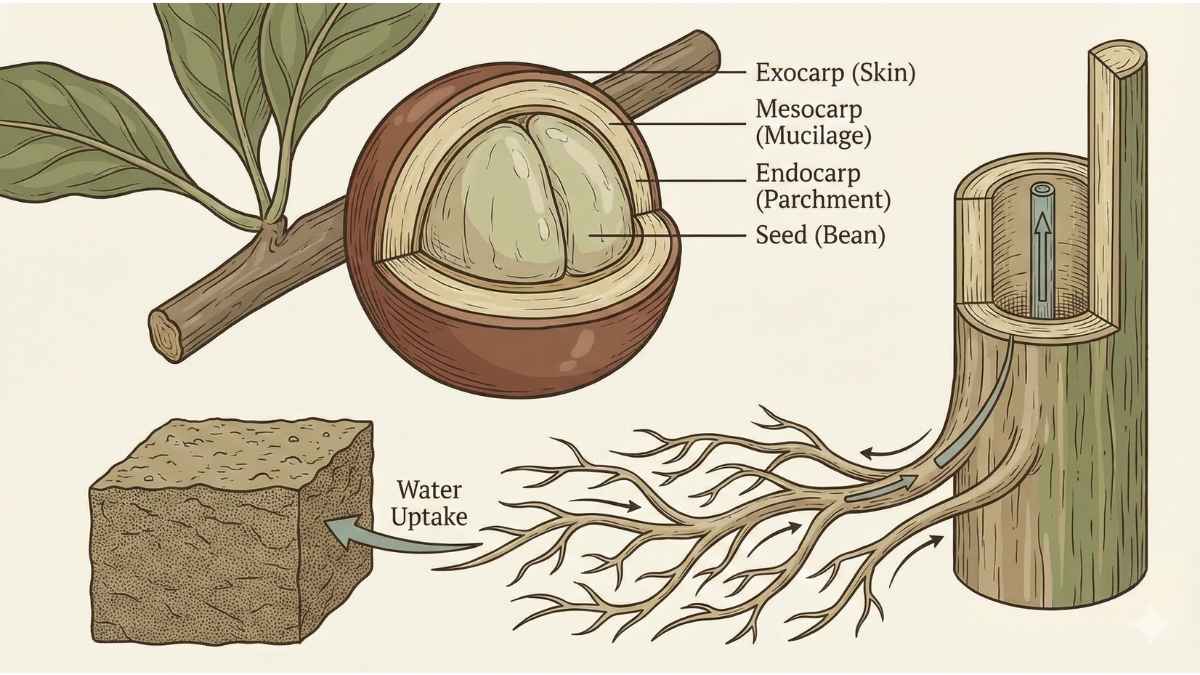
The "Bio-Shield" Reality Check: Recent mass data have shown that trace residues can appear even in organic coffee due to groundwater runoff—the "Sponge Effect".
Translation: It’s not that the farmer is cheating. It’s because groundwater is shared. However, there is a massive toxicological difference between "trace environmental background" (organic) and "direct application" (conventional).
The Rogers Family grows coffee inside a dense forest, not a bare field. Think of those massive tree roots as a biological sponge—scrubbing dirty groundwater before it ever reaches the coffee plant. This natural defense keeps their beans significantly cleaner than the average sun-scorched crop. Shade systems also protect existing carbon stocks—about 482 million metric tons globally—acting as a climate stabilizer.
1. Gorilla Decaf Review (Water Processed)
Target User: Pregnant women, bio-hackers, and anyone with the "Slow Metabolizer" gene (CYP1A2).
- The "Lab" Specs: Uses a water process. This relies on Green Coffee Extract and osmosis to gently lift caffeine without chemicals.
- Why It Works: Standard decaf uses methylene chloride, an industrial solvent, to strip out caffeine. While the roaster burns almost all of it off, I prefer beans that were washed with just water. Why settle for "mostly gone" when you can have "never there"?.
- The Catch: It is lighter in body than chemical decafs. However, it preserves the antioxidant integrity better than solvent methods.
2. French Roast Review (Gut-Friendly Dark Roast)
Target User: Those with GERD, acid reflux, or anxiety about mold spores.
- The "Lab" Specs: Roasting to a dark profile incinerates mold spores and maximizes N-methylpyridinium.
- Why It Works: It acts as a thermal sterilization process. Roasting destroys >73% of pesticide residues and reduces Ochratoxin A levels by up to 96%.
- The Catch: It destroys the "fruity" polyphenols (like Chlorogenic Acid) found in light roasts, which are better for metabolism. You are trading maximum antioxidants for maximum digestibility.
3. OneCup Review (The "Eco-Pod" Exception)
Target User: The busy professional who hates plastic waste.
- The "Lab" Specs: Compostable mesh design vs. rigid plastic.
- Why It Works: Brewing at 93°C inside a plastic cup forces plasticizers (DEHP) into your drink. The migration of these endocrine disruptors is a known risk with standard pods. Mesh filters mitigate this.
- The Catch: Oxidation. Ground coffee has more surface area than whole beans, leading to faster staling.
❓ FAQ: Answering Your
"People Also Ask" Anxieties
Q: Does The Organic Coffee Company have mold?
A: The risk is low if processed correctly. Wet Processing (washing the beans) removes the fruit pulp where mold grows, drastically reducing mycotoxin risk. Roasting at high temperatures further destroys Ochratoxin A.
Q: Is the "OneCup" actually safe for my hormones?
A: Plastic pods are a primary vector for phthalates. Using non-plastic, compostable options helps avoid the leaching of these chemicals during the high-heat extraction process.
Q: Why is shade grown better?
A: It's about density and flavor. Shade-grown beans ripen slowly, accumulating more sucrose and developing a denser structure ($>0.70 g/mL$) compared to sun-grown beans. This results in a naturally sweeter cup.
Q: Does roasting kill pesticides?
A: It reduces them significantly. Roasting degrades glyphosate residues by 73% to 90%, meaning the final bean is biologically cleaner than the green raw bean.

Meet Saqib
Saqib Ali Ateel is a PhD Scholar by training and a "student of the soil" by nature. He combines deep research, hands-on farming wisdom, and agricultural systems supervision to reveal what’s really on your plate. His mission is simple: to help your family navigate the food industry's complexity so you can eat cleaner, safer, and smarter.