100% Organic Food Label Verification: Certifiers, Lot Numbers, and USDA Lookups
The sharp ammonia bite of finished compost tells me more truth than any front-of-package badge ever will—because soil doesn’t do spin. When a package leans on the 100% Organic Food Label, I don’t read it like a slogan—I treat it like evidence.
That evidence lives in the boring stuff: certifier names, facility certificates, handling records, and the lot numbers that let you trace a product back through a supply chain to the farm and the rules it was grown under. If the paper trail breaks, the claim is just paint on cardboard.
The problem is that grocery shelves mix strict legal tiers with marketing language that sounds official but isn’t. “Organic” and “100% organic” are regulated categories with specific allowances and bans; “100% natural” is not—and that gap is where people overpay.
The 100% Organic Food Label legally guarantees that a product contains exclusively organically produced ingredients and processing aids, excluding water and salt. Under strict USDA regulations, this tier completely bans synthetic pesticides, genetic engineering, ionizing radiation, and sewage sludge from the entire supply chain.
In this guide, I’ll translate the legal definitions into plain English, show you exactly what each tier guarantees (and doesn't), and walk you through a quick verification process you can run yourself—using the information panel and certifier lookups—before you hand over the premium.
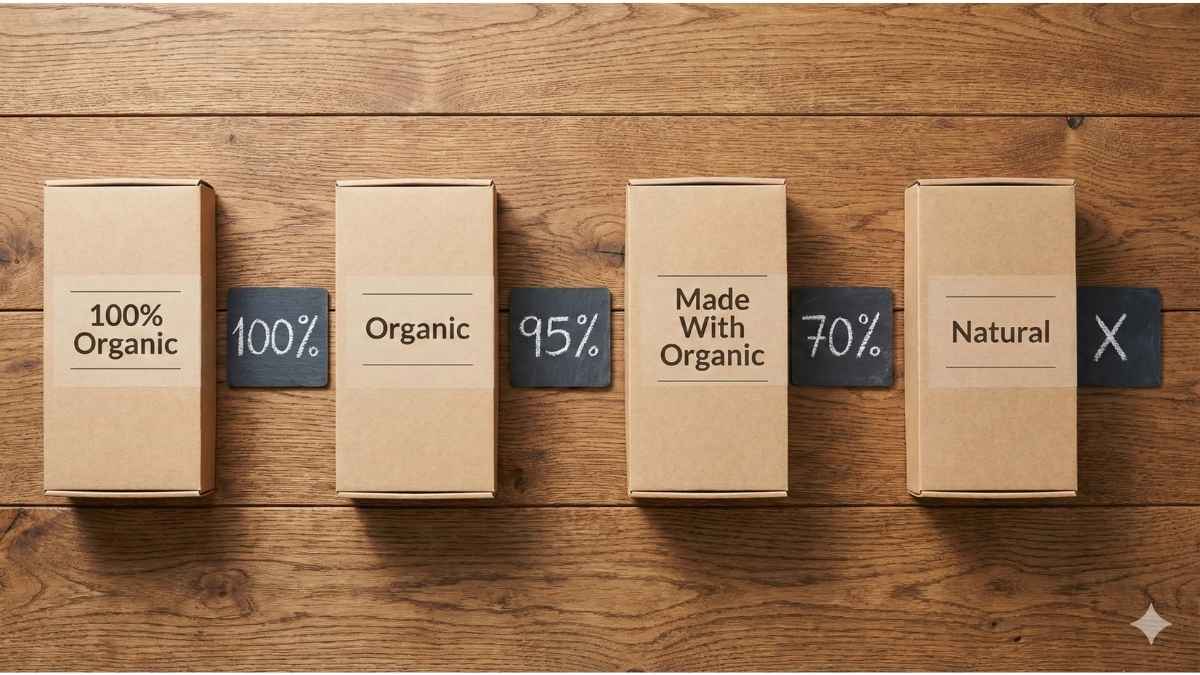 The regulatory difference between "Organic" and "Natural" is the difference between federal law and marketing fluff.
🛑 The Blunt Answer: Which Label Do You Need?
- If you want the absolute lowest exposure to agricultural synthetics: Buy products bearing the "100% Organic" designation.
- If you want a pragmatic balance of safety and price on complex foods: Buy the standard "Organic" (95%) tier. It still legally guarantees no GMOs or sewage sludge.
- If you want to save money but still avoid GMOs in the primary ingredients: Buy "Made with Organic [Ingredients]."
- If you see "100% Natural" on a box of cereal: Leave it on the shelf. It means practically nothing agriculturally.
The Deep Science Bridge: Systemic vs. Contact Residues
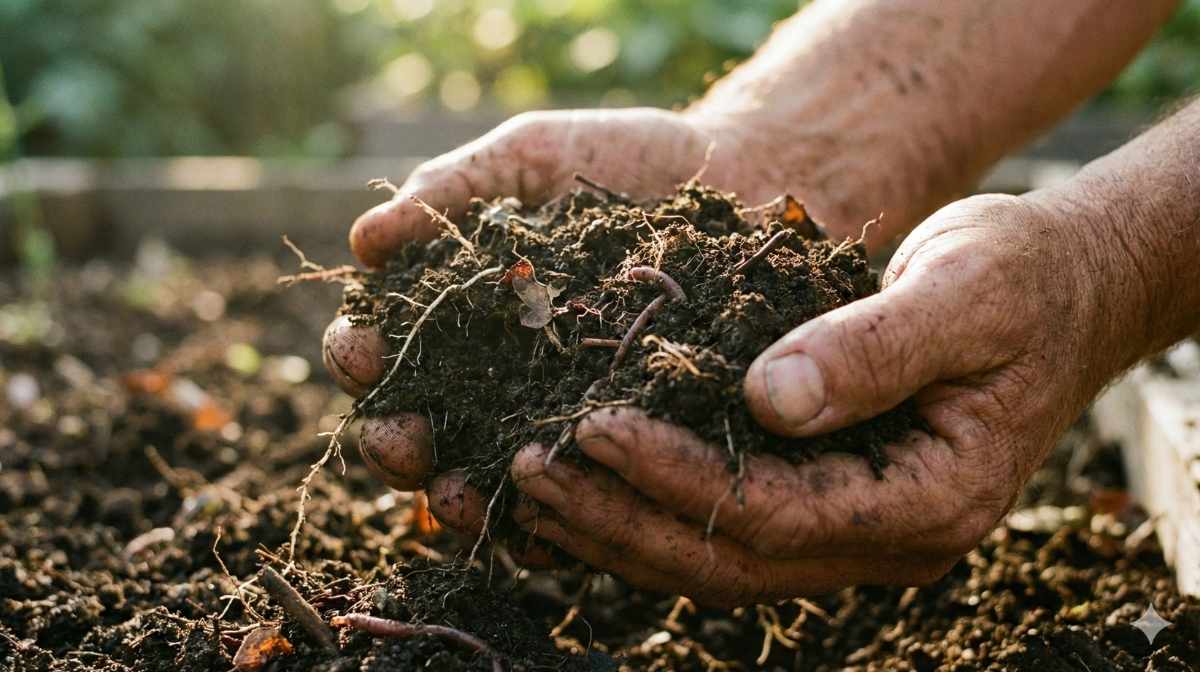
If you’d rather skip the chemistry lesson, here is the cheat sheet: Conventional farming relies heavily on systemic pesticides. Unlike contact pesticides that sit on the skin of an apple (which you can scrub off in the sink), systemic chemicals are applied to the soil, absorbed by the roots, and integrated directly into the cellular tissue of the plant itself. You cannot wash them off because they are inside the food.
The 100% Organic designation legally mandates that the soil hasn't seen prohibited substances for three years prior to harvest. It completely bans "excluded methods." In regulatory terms, this means no genetic engineering (GMOs), no ionizing radiation (bombarding food with radiation to extend shelf life, which structurally degrades vitamins), and no application of sewage sludge (biosolids that often contain heavy metals).
The Unit Economics: Is the Premium Justified?
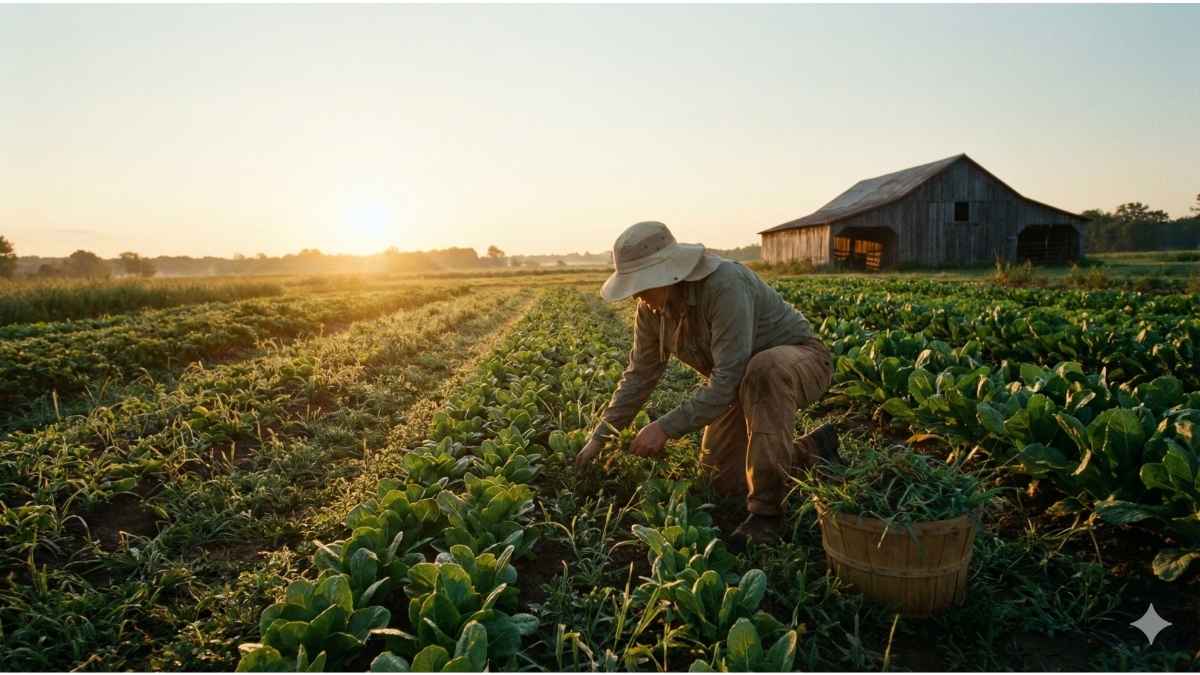 The organic price premium directly funds manual labor and segregated logistics, not chemical shortcuts.
When I look at the USDA ERS 2026 market data on organic price premiums, it's clear the extra cost isn't just retail markup. It reflects the true biological cost of manual weed control, specialized cover cropping, and complex, segregated logistics. According to NOP commingling regulations, handlers must maintain entirely separate processing runs to ensure conventional dust never touches an organic batch. You are paying for a verified, audited supply chain that prioritizes soil biology over chemical shortcuts.
🌱 The Truth Table: Regulations vs. Myth 🛑
| 🎯 Feature / Claim | 🔬 Scientific Reality (The Regs) | 🗣️ Marketing Myth | 👨🌾 The PhD Farmer Verdict |
|---|---|---|---|
| "Natural" implies organic 🍃 | FDA has no formal definition for crop labeling. | "It's basically the same as organic." 🤷♂️ | False. "Natural" crops can be heavily sprayed with synthetic glyphosate. ☠️ |
| Washing removes all pesticides 🚰 | Systemic pesticides integrate into cellular plant tissue. | "Just wash conventional produce." 🧼 | You physically cannot wash out systemic compounds. Buy organic for high-water crops. 💧 |
| Small farms don't need rules 🚜 | Under $5k sales are exempt from certification paperwork but MUST follow organic rules. | "Local is always organic." 🏘️ | Local is great for the economy, but without certification, there is no verified soil testing. 🧪 |
| All Organic uses the Seal 🏅 | The seal is legally restricted to 100% and 95% tiers only. | "If it's mostly organic, it has the seal." 🏷️ | The 70% "Made With" tier cannot legally display the seal anywhere on the front package. 🚫 |
Deep Dive Mini-Reviews: Reading Real Packaging
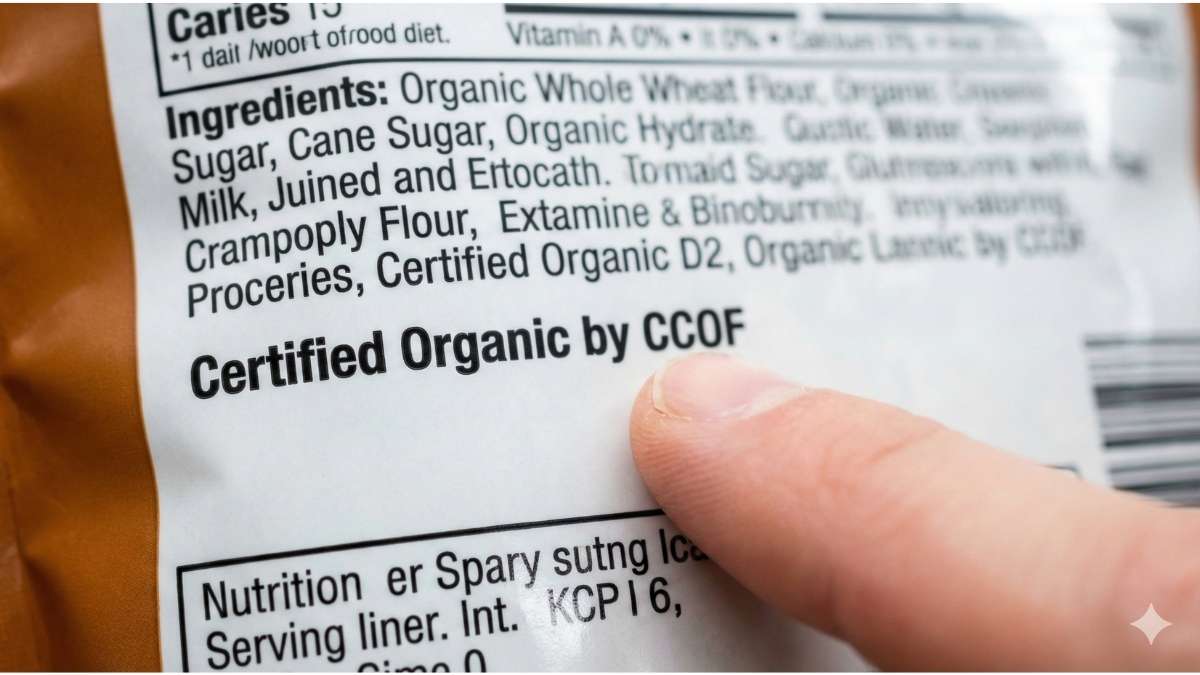 Always check the Information Panel (IP) for the specific certifying agent to ensure the brand is legally compliant.
1. The 100% Organic Raw Ingredient (e.g., Single-Origin Coffee)
- The Pros: Complete traceability. No synthetic fungicides used during the highly vulnerable fermentation and drying phases.
- The Catch: Extremely vulnerable to supply chain commingling if the final roaster isn't certified.
- Smart Buy Tip: Look directly below the ingredient list on the Information Panel. The law mandates it must say: "Certified organic by [Certifier Name]." If that name is missing, the label is legally non-compliant.
2. The 95% Organic Complex Product (e.g., Serenity Kids Pouches)
- The Pros: When dealing with complex supply chains (like blending meats and root vegetables), the 95% "Organic" tier is highly reliable. Take a product line like Serenity Kids—because they use ethically sourced meats and organic vegetables, they hit that rigorous 95%+ mark, ensuring no GMOs or systemic pesticides make it into the final puree.
- The Catch: The 5% allowance means some non-agricultural processing aids (like specific baking sodas or enzymes) are permitted, though heavily restricted by the National List.
- Smart Buy Tip: This is the harm-reduction sweet spot. You get strict agricultural oversight without the massive premium of a 100% pure multi-ingredient product.
3. The Store Brand (e.g., Kirkland Signature / Great Value)
- The Pros: Economies of scale. These brands leverage the exact same NOP Section 205.301 agricultural standards but at a lower price per ounce.
- The Catch: They frequently change agricultural suppliers, meaning the specific farm origin is obscured behind the corporate label.
- Smart Buy Tip: Always verify the certifier code. You can plug the certifier name into the USDA AMS Organic Integrity Database (OID) to ensure the facility's certificate is currently active and hasn't been suspended.
Frequently Asked Questions (FAQ)
What is the difference between "100% organic" and "organic"?
According to the USDA AMS organic labeling standards, "100% organic" means every single ingredient and processing aid is organically produced. "Organic" means at least 95% of the ingredients are organic, allowing for up to 5% of strictly approved non-organic substances. Both tiers are permitted to use the official USDA seal.
Is "100% organic" legally defined?
Yes. In the United States, it is a strict legal definition enforced by the USDA National Organic Program (NOP). Falsifying this label carries federal civil penalties under the Organic Foods Production Act.
Can you use "100% organic" without certification?
Only if your gross organic sales are under $5,000 annually. However, even if exempt from the formal paperwork, you must still follow all organic farming regulations, and you are legally prohibited from using the official USDA Organic seal on your packaging.
What does "made with organic ingredients" mean?
This regulatory tier indicates the product contains between 70% and 94% organic ingredients. It cannot display the USDA Organic seal on the principal display panel, but it is legally prohibited from containing GMOs or being irradiated.

Meet Saqib
Saqib Ali Ateel is a PhD Scholar by training and a "student of the soil" by nature. He combines deep research, hands-on farming wisdom, and agricultural systems supervision to reveal what’s really on your plate. His mission is simple: to help your family navigate the food industry's complexity so you can eat cleaner, safer, and smarter.