Hidden Dangers of Glyphosate in Food: A 2026 Safety
Review 🚜
Are you concerned about glyphosate in food as we head into 2026? You should be. While official spreadsheets claim these herbicide levels are "safe," your body may tell a different story. 📉
Since 1974, billions of kilograms of this chemical have soaked into our global food system. It is in the water, the soil, and likely on your breakfast table. Emerging science suggests standard safety models are outdated. They ignore the "cocktail effect" of chemical mixtures and the damage done to our gut microbiome. 🧬
We aren't just eating a weedkiller; we are eating a disrupted ecosystem.
🧐 At a Glance: Is Glyphosate in Food Safe?
- 🏛️ The Regulatory Stance (EPA, FDA): They consider it safe if used as directed. Their logic is that residues are typically below "Maximum Residue Limits," and the EPA classifies it as "not likely to be carcinogenic."
- 🔬 The Independent Science (IARC, Ramazzini): They classify it as a Probable Carcinogen. Independent researchers argue that regulatory tests look at pure glyphosate but ignore the commercial mixtures (like Roundup), which can be far more toxic.
- 👨🌾 Our Perspective: Legal limits are designed to stop acute poisoning, not chronic illness. Given the uncertainty and potential gut health risks, minimizing exposure is the only smart play for longevity.
The "Inert" Ingredient Myth: Why Formulations
Are More Toxic ☠️
Farmers don't spray pure glyphosate. We spray "formulations." These are commercial mixtures containing the active chemical plus "adjuvants" that help the poison stick to leaves. 🌿
Sadly, regulatory tests usually analyze glyphosate in isolation. This creates a massive scientific blind spot.
The 1,000x Toxicity Finding
Nature fights back. Waxy leaves repel water, so manufacturers add surfactants to bypass this defense.
Independent researchers like Mesnage and Antoniou discovered a shocking truth. The commercial mixtures used on farms can be up to 1,000 times more toxic to human cells in lab tests than glyphosate alone. 🧪 That is the difference between a gentle rain and a flash flood.
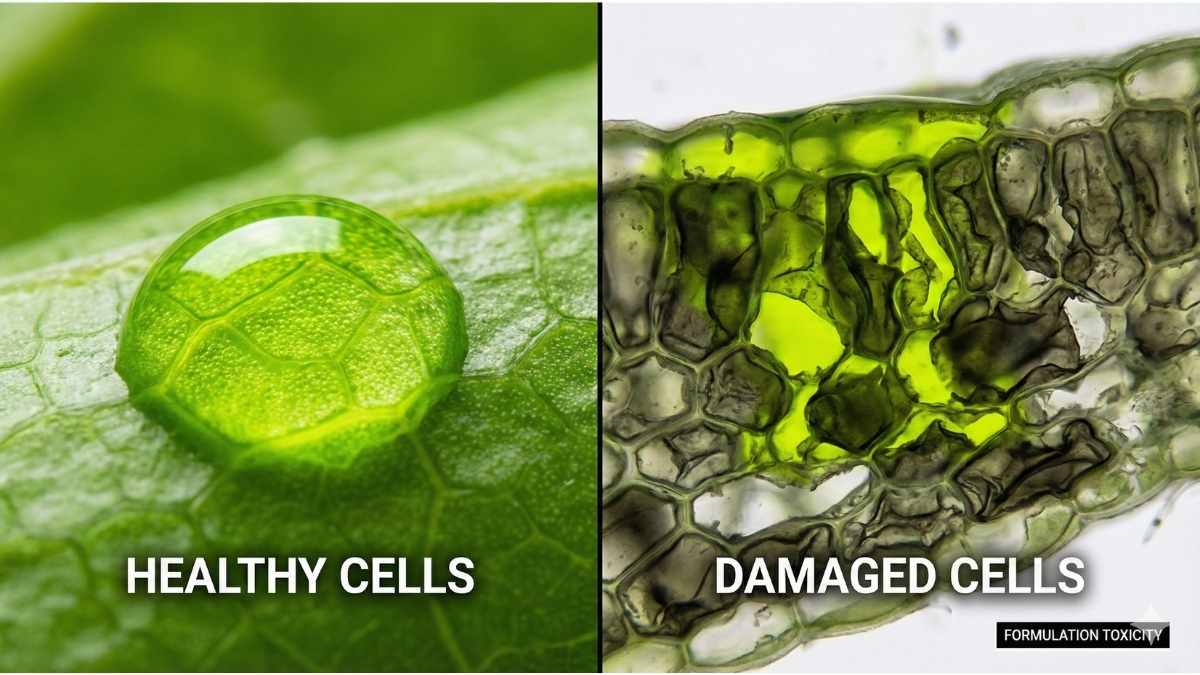 Fig 1. Why formulations matter: "Adjuvants" help the poison penetrate plant cells—and human cells too.
The Role of POEA Surfactants
The main culprit is often Polyethoxylated Tallow Amine (POEA). Think of POEA as a battering ram. It breaks down plant cell membranes so the herbicide can enter.
The problem? It doesn't distinguish between a weed and a human cell. Studies on heart organoids confirm that POEA disrupts mitochondrial function and kills cells. It blasts through our defenses just as easily as it blasts through a dandelion. 💥
Latest Residue Report: Highest Risk Foods & Swaps 🛒
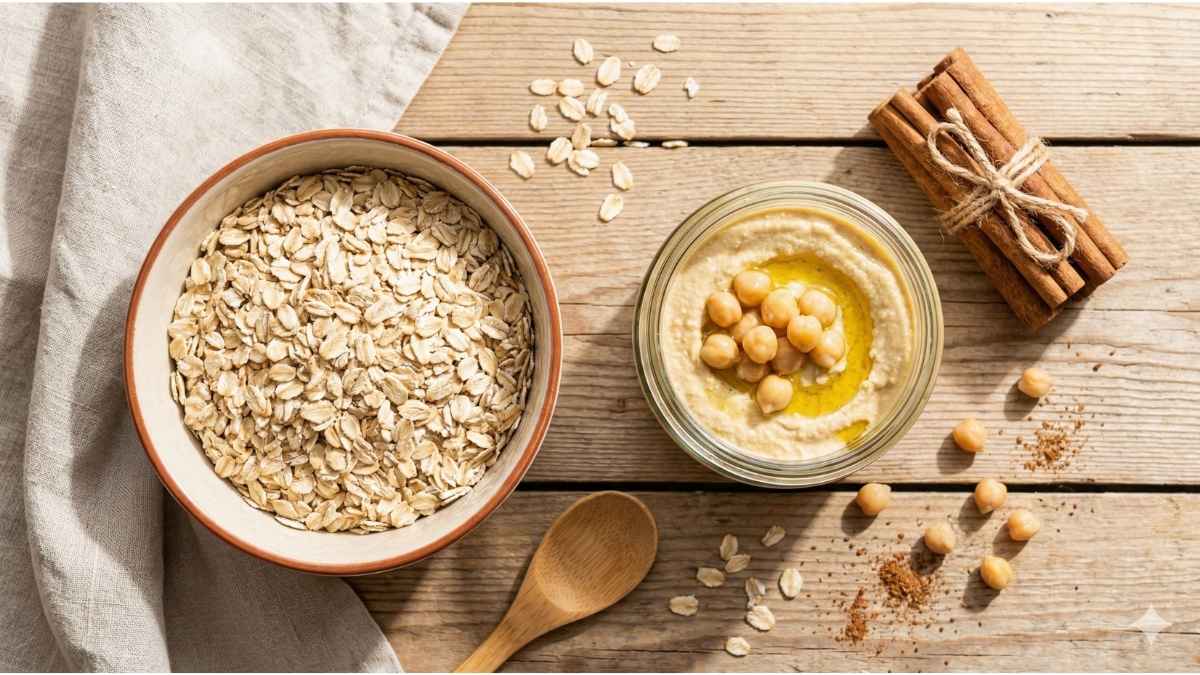
As a farmer, I know harvest timing is everything. Many non-organic crops are "desiccated" (dried out) with weedkiller right before harvest. This locks the chemical directly into the food we eat.
Here is where the residues hide, and how you can swap them out based on the latest findings.
Mechanisms of Harm: Microbiome and Epigenetics 🧬
Why worry about low doses? Because glyphosate is also a patented antibiotic.
The Antibiotic Effect (Gut-Brain Axis)
This chemical targets the shikimate pathway in plants and bacteria. Regulators say humans are safe because we don't have this pathway.
But our gut bacteria do. 🦠
It kills beneficial bacteria like Lactobacillus while sparing pathogens. A recent study confirmed this imbalance leads to neuroinflammation via the gut-brain axis. We are disrupting the soil in our own bellies.
Generational Toxicology
The Skinner Lab studies "Epigenetic Transgenerational Inheritance." Their research found that glyphosate altered chemical switches on rat sperm DNA. These silent changes passed down the family line.
They triggered prostate and kidney disease in the great-grandchildren (the F3 generation). We are planting seeds of illness for a harvest we won't be around to see. 🌱
The Controversy: Why Regulatory Science Disagrees ⚖️
Why hasn't the EPA banned it?
It depends on which studies you trust.
The Retraction of the "Williams 2000" Review
For decades, regulators relied on the Williams et al. (2000) safety review. It was the industry's gold standard. Recently, investigations revealed ghostwriting concerns, casting doubt on the policy based on it.
The Global Glyphosate Study
While the EPA says "No Cancer," the Ramazzini Institute disagrees. Their study found that low doses (0.5 mg/kg)—levels considered safe—caused leukemia in young rats. 🐁
Actionable Mitigation: Can You Wash or Cook It Out? 🍳
We all want to just wash our fruit and be safe. Unfortunately, glyphosate is "systemic."
Why Heat and Washing Fail
"Systemic" means the chemical is absorbed inside the plant's vascular system. It is inside the grain, not just on the husk.
- Washing: Removes dust, not the chemical inside. 🚿
- Cooking: Baking bread doesn't destroy it. It is heat-stable.
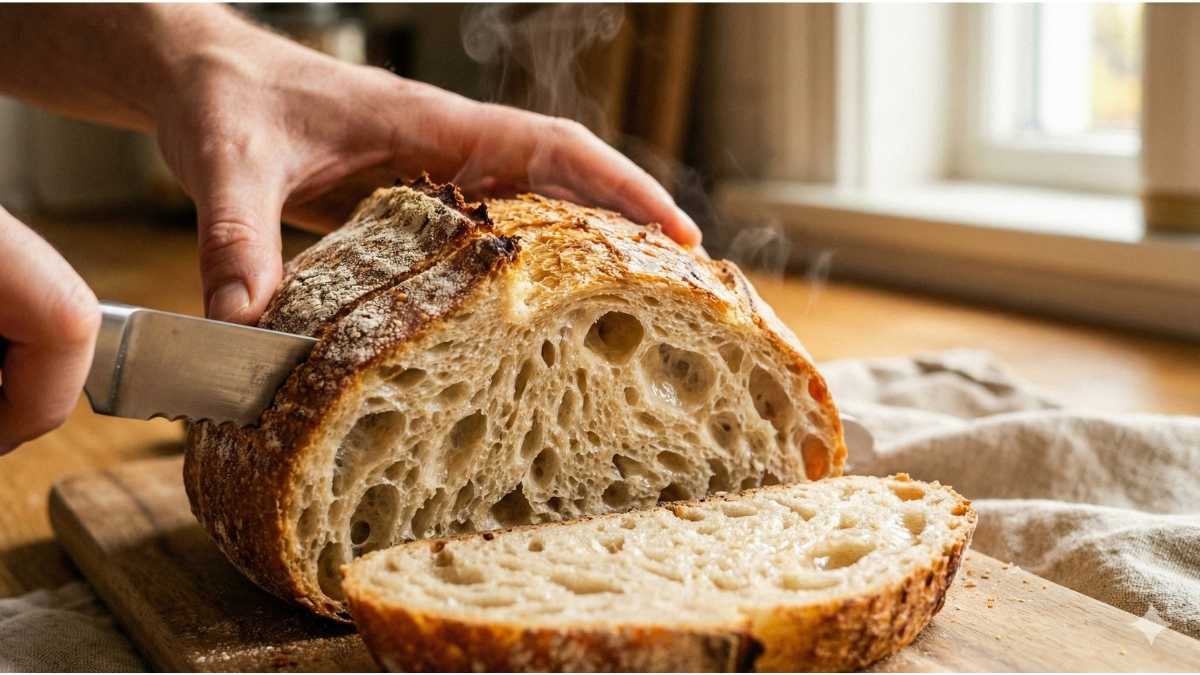 Fig 3. The power of fermentation: Wild yeast (Levain/Masa Madre) can actively degrade herbicide residues in wheat.
The Sourdough Solution
There is hope!
The only biological method proven to degrade this chemical is fermentation.
We recommend Sourdough—also known globally as Levain, Masa Madre, or Wild-Fermented bread. Unlike fast commercial bread, this traditional method uses a slow fermentation that breaks down toxins.
Saccharomyces cerevisiae, the yeast in sourdough, can degrade about 21% of residues in just one hour. By eating traditional, slow-fermented breads, you let the microbes do the detox work for you. 🥖
Conclusion & Recommendations 📝
Official safety checks often miss the full picture. They overlook the combined punch of chemical cocktails and the changes that can echo into your grandchildren’s health. Simply feeling fine today doesn't guarantee you're safe for the long haul.
Take control of your food system with this immediate 2026 action plan:
1. Switch to Organic for high-risk items like oats, hummus, and spices.
2. Eat Sourdough to help break down wheat toxins.
3. Check Certifications and look for "Glyphosate Residue Free" labels.
We can't avoid every molecule, but we can make choices that respect our biology and the future of our soil. 🌍
Further Reading & Trusted Sources 📚
- U.S. Environmental Protection Agency (EPA) – Glyphosate
- The Ramazzini Institute – Global Glyphosate Study
- The Detox Project – Glyphosate Residue Free Certification & Testing

Meet Saqib
Saqib Ali Ateel is a PhD Scholar by training and a "student of the soil" by nature. He combines deep research, hands-on farming wisdom, and agricultural systems supervision to reveal what’s really on your plate. His mission is simple: to help your family navigate the food industry's complexity so you can eat cleaner, safer, and smarter.
Is there Glyphosate in Organic Food?