Best Non Toxic Coffee Maker (2026): Spotting ‘Dirty’
Machines & The "Clean Brew" Protocol
Finding the best non toxic coffee maker isn't just about brewing flavor; it's about forensic safety. There is a specific sound a coffee maker makes right before it gurgles—a sharp hiss of steam hitting the plastic lid. If you're like me, you associate that sound with waking up, with the smell of rain on soil, and the promise of productivity. But as a farmer who studies soil chemistry and supply chains, that hiss makes me nervous.
Why? Because that hiss is the sound of hydrolysis—the moment hot water starts stripping chemicals right off the plastic.
When water hits that 200°F brewing mark, it turns into a hungry solvent—meaning it's ready to dissolve a lot more than just your coffee beans. If that hot water is traveling through cheap PVC tubing, boiling in an unlined aluminum block, or dripping through a degrading plastic basket, you aren't just drinking Arabica. You're drinking a "tea" of plasticizers and heavy metals.
I know you're worried. You've seen the headlines about microplastics and hormone disruptors, and you're secretly wondering what’s hiding in your morning cup. Let's strip away the marketing fluff ("BPA-Free" isn't enough) and look at the forensic reality of your brew.
🛑 The Blunt Answer: Which Machine is Safe?
If you’d rather skip the chemistry lesson and just get to the goods, here is my decision logic—distilled from the hard 2026 data.
- For the Absolute Purist (Zero Plastic): You must use a Glass Pour-Over (Chemex) or a Glass French Press. No automatic machine is 100% plastic-free in the plumbing.
- For the "Clinical" Automatic User: The Technivorm Moccamaster is the only automatic machine I trust fully. It uses a copper heating element and keeps the hot water away from plastic until the very last second.
- For Espresso Lovers: Avoid "Lead-Free" Brass boilers. Look for Stainless Steel Boilers (like the Profitec Go) or Steel-Lined Thermocoils (like Ascaso or Breville).
- For Pod Lovers: Stop. The combination of high heat, pressure, and plastic pods creates a microplastic cocktail. If you must, use a machine with a steel reusable pod.
🌱 Top Non-Toxic Picks at a Glance (2026)
In a hurry? Here is the "PhD Farmer" shortlist for the best non toxic coffee maker based on material safety and brew quality.
-
🏆 Best Automatic (Clinical Grade): Technivorm Moccamaster KBGV Select
Why Copper heating element, glass transfer tube, minimal plastic contact.
-
⚗️ Best Manual (Zero Plastic): Chemex Ottomatic / Classic
Why 100% Borosilicate glass and paper filters. Zero migration risk.
-
⚙️ Best Customizable (Stainless Steel): Breville Precision Brewer
Why Stainless steel thermocoil and silicone tubing (no aluminum/PVC).
-
☕ Best Espresso (No Lead): Profitec Go
Why Dedicated stainless steel boiler (avoids "leaded" brass).
-
💰 Best Budget: Hario V60 Ceramic
Why High-fired ceramic allows for a gravity-fed, plastic-free brew.
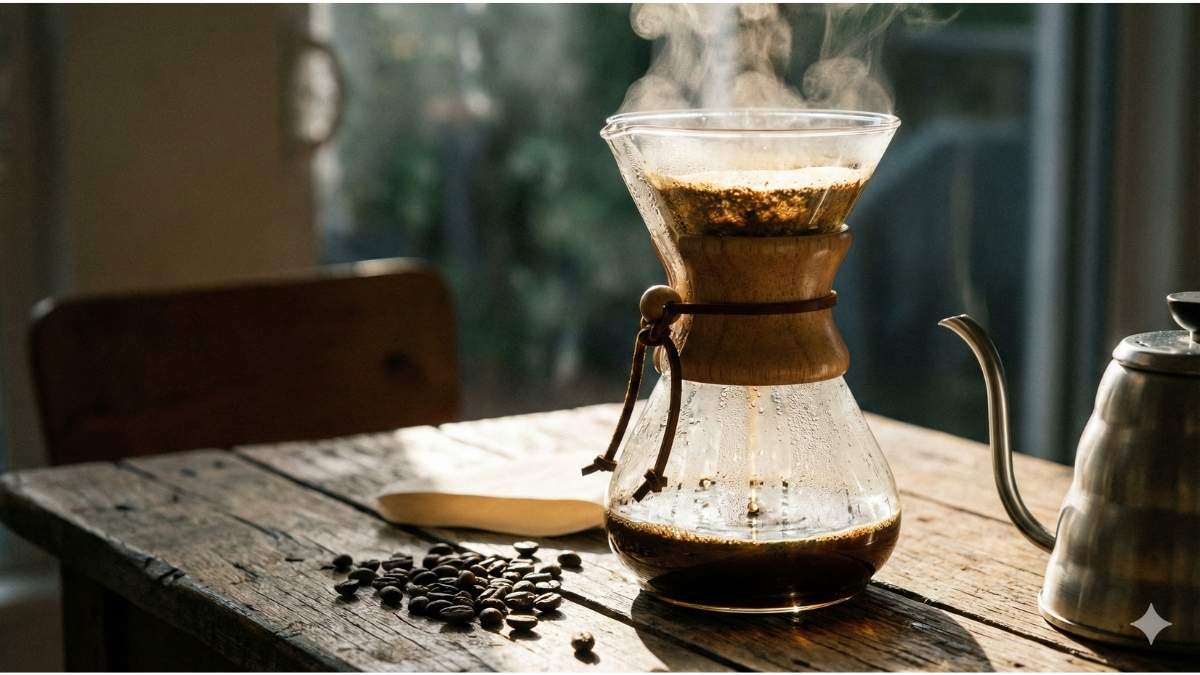
The "Hidden Water Path": Where Toxicity Lives
Most people look at the outside of a coffee maker. If it’s brushed steel, they think it’s safe. But we need to look at the Water Path—the journey the water takes from the tank to your cup.
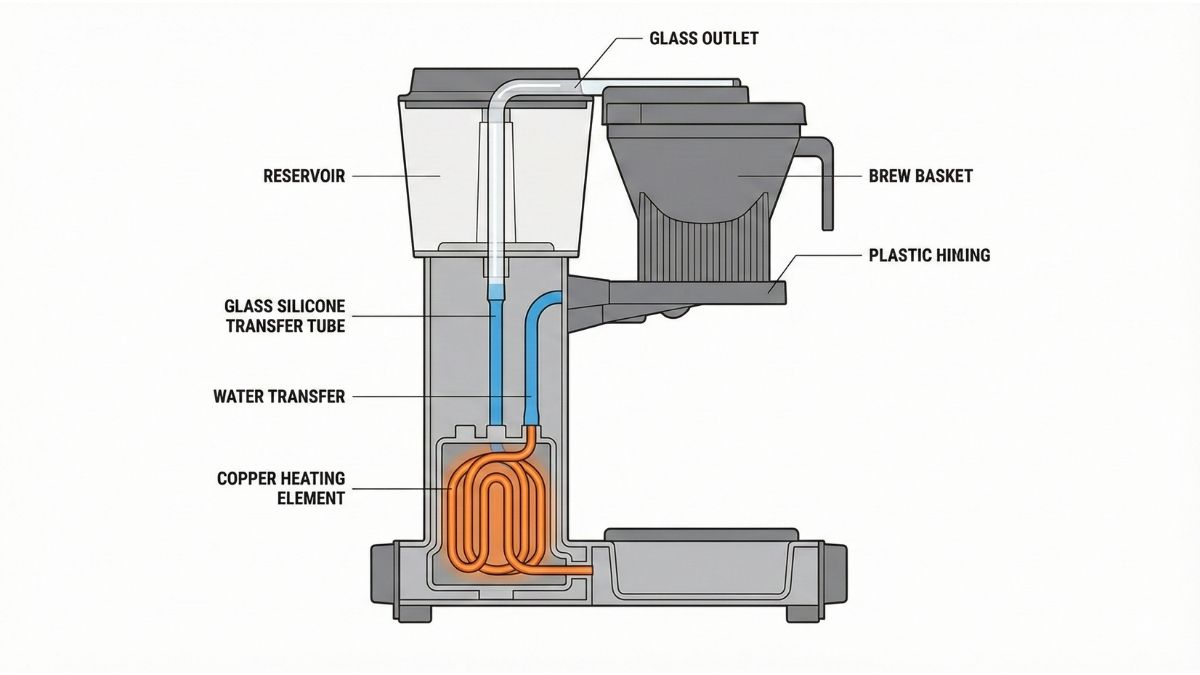 The "Water Path" matters: Safe machines isolate hot water from plastic using materials like copper and glass.
1. The "BPA-Free" Trap (Regrettable Substitution)
You see "BPA-Free" on the box and you relax. Don't. Manufacturers often replace Bisphenol A (BPA) with Bisphenol S (BPS) or F (BPF).
- The Science: Recent toxicology data suggests BPS doesn't just sit there; it sneaks into your cell membranes just like BPA, potentially messing with your body's defenses.
- The Fix: We treat all hot-contact plastics as "guilty until proven innocent." If the reservoir is plastic, that’s okay (it holds cold water). But if the heating chamber or the basket holding the hot grounds is plastic, you are likely brewing chemicals.
2. The Microplastic "Pepper Grinder"
When you use a plastic pod machine (like a Keurig) or a standard drip brewer with a plastic filter basket, you are subjecting plastic to Thermal Shock.
- The Mechanism: A recent study confirmed the bad news: once your water hits brewing temp (80°C+), that plastic basket effectively fractures, releasing hundreds of microplastics per liter.
- The Result: You are essentially consuming invisible grit with every sip.
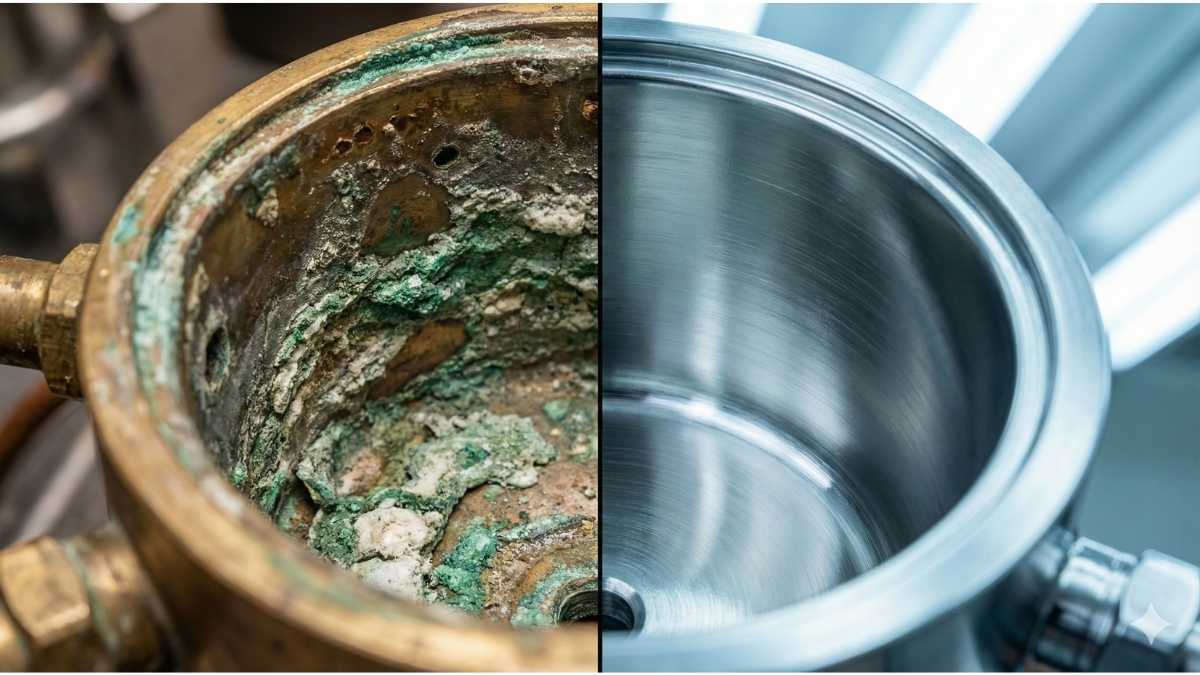 Thermal shock at 200°F causes microscopic fractures in plastic pods, shedding invisible grit into your brew.
3. The Metal Issue: Nickel & Aluminum
Not all metal is safe.
- Aluminum: Cheap machines use aluminum thermoblocks. If the thin lining cracks (often due to using vinegar to descale!), aluminum—a known neurotoxin—leaches into the water.
- Stainless Steel: It contains Nickel. If you have a nickel allergy, cheap stainless steel (Grade 304) can leach nickel when exposed to acidic coffee. Acidic foods have been shown to increase nickel concentrations up to 26-fold when cooked in lower-grade steel.
- The Solution: We look for Grade 316 Surgical Steel or Copper heating elements.
The Toxicology Truth Table
Marketing teams love to throw around buzzwords. Before we look at the specific machines, let's put those fancy labels under the microscope and see what they're really hiding.
Finding the Best Non Toxic Coffee Maker: The Shoppable
Matrix (2026)
I have analyzed the internal schematics of top brewers. Below is a detailed comparison to help you find the best non toxic coffee maker for your specific needs.
* As an Amazon Associate, Preforganic.com earns from qualifying purchases made through links in this table.
The Deep Dive Reviews
1. The Clinical Grade: Technivorm Moccamaster KBGV Select
- Why it wins: This machine is built like a tank and designed like a medical instrument. It uses a copper boiling element (antimicrobial and rapid heat) instead of aluminum.
- The Water Path: Water boils in copper, travels up a glass transfer tube, and drips into the basket. The reservoir holds cold water, so leaching risks there are zero.
- The Caveat: The filter basket is Polypropylene (PP). I recommend using unbleached paper filters to create a barrier between the plastic and your coffee.
2. The Daily Staple: Breville Precision Brewer
- Why it wins: It eliminates the two worst offenders: aluminum heaters and PVC tubing.
- The Water Path: It uses a "Thermo-Coil" lined with stainless steel and medical-grade silicone tubing.
- The Caveat: The pump internals and showerhead are plastic. It’s a trade-off for the ability to control temperature digitally.
3. The Purist: Chemex Ottomatic / Classic
- Why it wins: If you want a truly plastic-free coffee maker, you usually have to go manual. The Ottomatic automates the pour-over process, but the brewing happens entirely in Borosilicate Glass.
- The Water Path: Water touches a stainless steel spray head and then hits the paper filter in the glass carafe. Zero plastic migration.
A Critical Note on the OXO Brew (9-Cup)
I get asked about the OXO Brew constantly because it is often listed as a "best non toxic coffee maker" on other sites.
- The Verdict: It is Safe-ish.
- The Good: It uses a stainless steel kettle mechanism to heat water.
- The Bad: The water travels through a plastic "Rainmaker" showerhead and a plastic mixing tube inside the carafe. It is safer than most cheap drips, but it has more hot-water-on-plastic contact than the Technivorm.
Non-Toxic Espresso Machines: Avoiding "Dirty"
Pressure
Espresso machines are a different beast. Because they operate under high pressure (9 bars), they are prone to leaching Lead from brass components.
The "Lead-Free" Myth
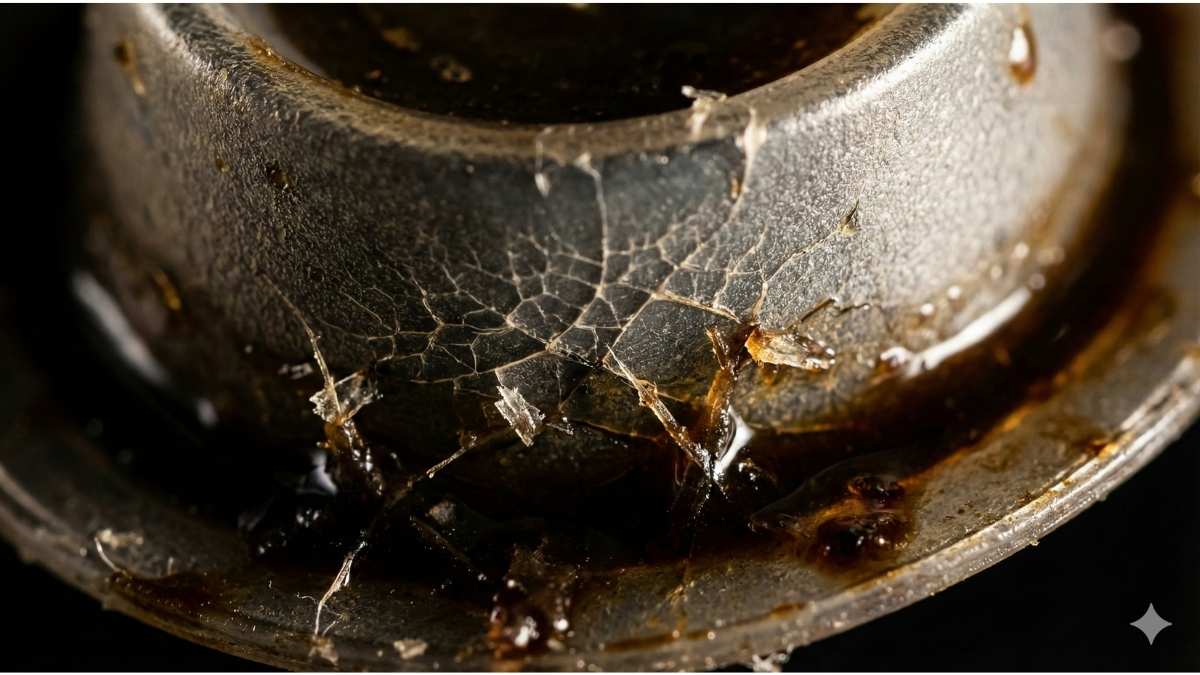
Many espresso boilers are made of brass. Manufacturers claim they are "Lead-Free," but regulations allow "lead-free" brass to contain up to 0.25% lead. When you descale these machines with acid, you can spike the lead levels in your water.
* As an Amazon Associate, Preforganic.com earns from qualifying purchases made through links in this table.
The Bean Protocol: Don't Put Dirty Gas in a Ferrari
You bought the $300 non-toxic machine. Don't ruin it by using beans sprayed with pesticides. Conventional coffee is one of the most chemically treated crops in the world.
The "Clean Bean" Checklist
1. Certified Organic: Non-negotiable. Avoids glyphosate and synthetic fertilizers.
2. Mold & Mycotoxin Tested: Coffee is prone to mold storage. Look for brands that publicly share lab results for Aflatoxin and Ochratoxin.
3. Specialty Grade (Arabica): Lower defect rate means less chance of rotting beans making it into the roast.
PhD Farmer Approved Brands (2026)
- Lifeboost Coffee: Single-origin, shade-grown, and rigorously tested for 400+ toxins. Low acid profile.
- Purity Coffee: The "bio-hacker's" choice. They treat coffee as a supplement, optimizing for antioxidants and testing for every contaminant imaginable.
- Kicking Horse: A widely available organic option that is cleaner than 99% of grocery store brands.
Maintenance: The "Clean Brew" Protocol
You can buy the best non toxic coffee maker in the world and ruin it by cleaning it wrong.
1. NEVER Use Vinegar
Vinegar is Acetic Acid. It is aggressive towards rubber and silicone gaskets.
- The Risk: Using vinegar rots the seals inside your machine. Once those seals degrade, you get leaks and you get "rubber soup" in your coffee.
- The Fix: Use Citric Acid (food grade) or a dedicated descaler like Durgol (Sulfamic Acid with inhibitors). They dissolve scale without eating your gaskets.
2. Flush the "First Morning" Water
If your machine has a reservoir, the water sitting in the internal tubes overnight has absorbed the most stuff.
The Habit: Run a small "blank shot" (just water) for 5 seconds before brewing your actual pot. This flushes the stagnant water out of the heating element.
FAQ: Common Questions on Non-Toxic Brewing
Q: What is the absolute safest type of coffee maker material?
A: Borosilicate Glass and Ceramic. Neither material reacts with hot water or acidity. If you want zero risk, use a Chemex or a ceramic pour-over.
Q: Are stainless steel coffee makers safe?
A: Generally, yes. However, if you have a nickel allergy, check that the steel is high grade (304 or 316). Low-quality steel can leach nickel when exposed to acidic coffee.
Q: What does the Prop 65 Warning on my coffee maker mean?
A: Don't panic, but read the label. Usually, on coffee makers, this warning refers to Lead in the brass fittings of the boiler (common in espresso machines) or the electrical cord insulation. It rarely means the coffee itself is toxic, but it highlights why we prefer stainless steel boilers over brass.
Q: Is silicone safe for coffee tubing?
A: Yes, if it is high quality. Platinum-cured silicone is inorganic and thermally stable up to 400°F. It does not react with coffee acids or release phthalates like PVC does. The Breville and Technivorm use this type of tubing.

Meet Saqib
Saqib Ali Ateel is a PhD Scholar by training and a "student of the soil" by nature. He combines deep research, hands-on farming wisdom, and agricultural systems supervision to reveal what’s really on your plate. His mission is simple: to help your family navigate the food industry's complexity so you can eat cleaner, safer, and smarter.