Using Coffee for Metabolism Boost? Here is How to Spot
the 'Dirty' Beans
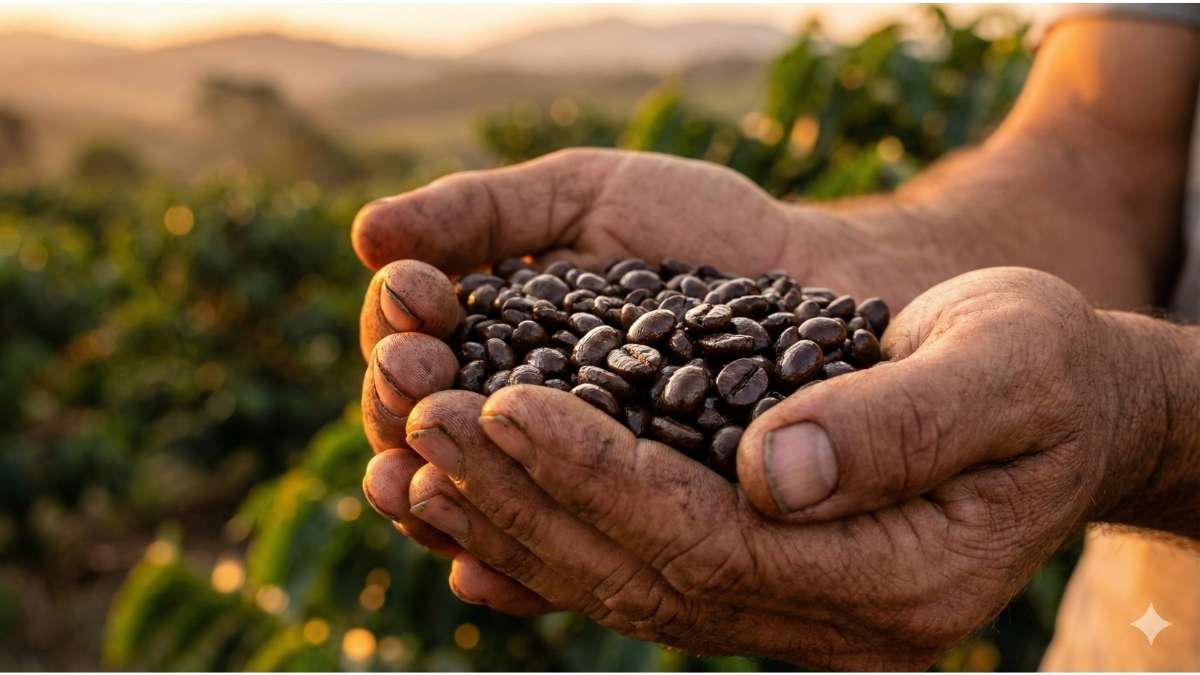
There is a specific, oily grit that coats your fingers when you handle a truly high-altitude bean—a sign that the coffee plant fought for survival in thin air and volcanic soil. That biological struggle creates the potent antioxidants you are hunting for.
You aren't just looking for a morning wake-up call; you are looking for high-octane coffee for metabolism boost that works as hard as you do.
But before you brew that second cup hoping to ignite a calorie burn, we need to look at the chemistry in your mug—because most "fat-burning" protocols are actually just spiking your cortisol and stalling your progress.
⚡ The 30-Second Protocol: How to Use Coffee for Metabolism
Don't have time for the biochemistry? Here is the "Field Manual" summary.
- ☕ The Dose: 3–6 mg/kg of body weight (approx. 2 strong cups or 200–400mg).
- ⏱️ The Timing: 30–60 minutes before movement/exercise.
- 🚫 The State: Fasted. (No food, no milk).
- 🛑 The Hard Stop: Do not drink after 12:00 PM to protect sleep architecture.
- ⚠️ Who Skips It: If you have uncontrolled high blood pressure or get "jitters" (anxiety) from one cup.
🛑 The Blunt Answer: Does It Actually Work?
Yes, but the "conditions" matter more than the caffeine.
If you are looking for a magic eraser for a bad diet, this isn't it. But if you want to use coffee as a legitimate bio-hacking tool, the data supports it under specific rules:
The "Insulin Switch": Why Your Timing is Wrong
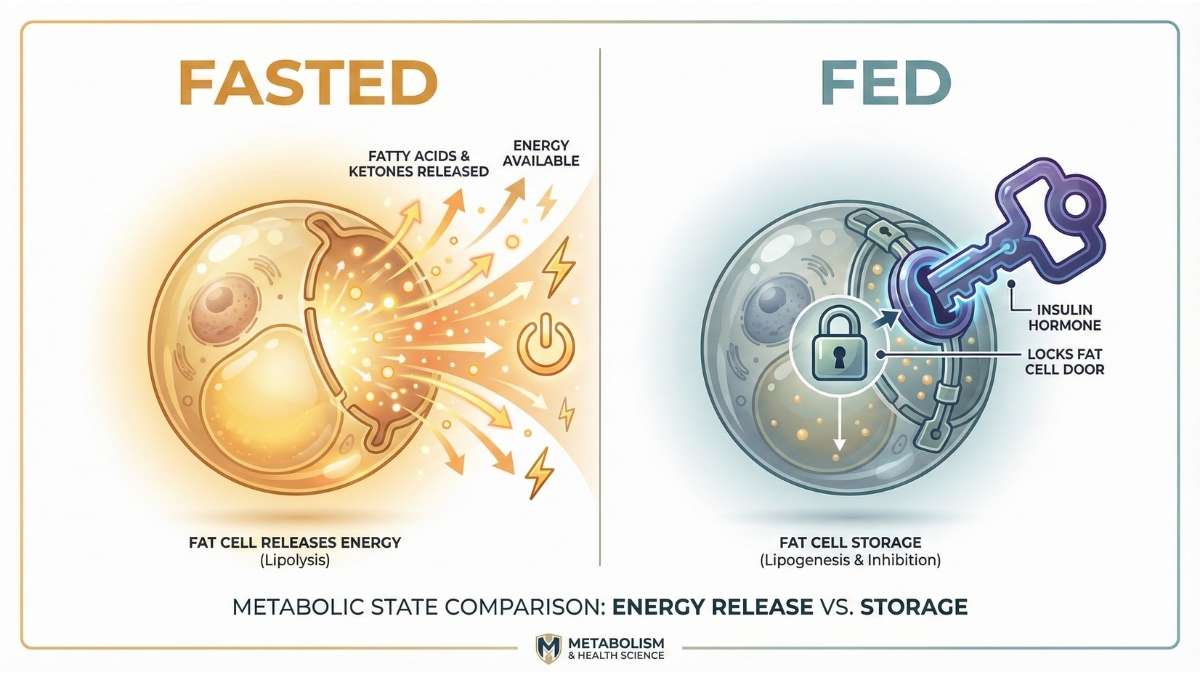
We need to swap the marketing jargon for physiology. When marketers say "fat burning," they usually mean Lipolysis—the breaking down of fat cells.
Caffeine triggers this by acting as an antagonist to Adenosine (the chemical that makes you tired). When caffeine blocks adenosine, your brain signals the adrenal glands to release epinephrine (adrenaline).
This adrenaline travels to your fat cells, unlocking the door and releasing fatty acids into the bloodstream to be burned.
Here is the catch: That door has a second lock, and Insulin holds the key.
The data from the 2024 Meta-Analysis on Metabolic Rates is clear: In a fasted state, caffeine (3–9 mg/kg) significantly spikes fat oxidation.
However, if you eat a bagel or drink a sugary latte first, the resulting insulin surge activates an enzyme called PDE-3B. This enzyme effectively cancels out the signal caffeine is trying to send.
The Farmer's Take: trying to burn fat with caffeine after a meal is like trying to start a tractor while holding down the brake pedal. You’re making noise, but the gears aren't engaging.
The "Milk Problem": You Are Suffocating the
Antioxidants
We need to swap the marketing jargon for physiology. When marketers say "fat burning," they usually mean Lipolysis—the breaking down of fat cells.
Caffeine triggers this by acting as an antagonist to Adenosine (the chemical that makes you tired). When caffeine blocks adenosine, your brain signals the adrenal glands to release epinephrine (adrenaline).
This adrenaline travels to your fat cells, unlocking the door and releasing fatty acids into the bloodstream to be burned.
Here is the catch: That door has a second lock, and Insulin holds the key.
The data from the 2024 Meta-Analysis on Metabolic Rates is clear: In a fasted state, caffeine (3–9 mg/kg) significantly spikes fat oxidation.
However, if you eat a bagel or drink a sugary latte first, the resulting insulin surge activates an enzyme called PDE-3B. This enzyme effectively cancels out the signal caffeine is trying to send.
The Farmer’s Take: trying to burn fat with caffeine after a meal is like trying to start a tractor while holding down the brake pedal. You’re making noise, but the gears aren't engaging.
The "Milk Problem": You Are Suffocating the Antioxidants
This is where my "Muddy Boots" perspective clashes with the "Barista" culture. We grow coffee for its Chlorogenic Acids (CGAs)—compounds linked to lower blood pressure and blood sugar control.
However, when we look at what your body actually absorbs, the data shows that your morning splash of milk is sabotaging the process.
When you add dairy milk to coffee, the Casein proteins physically bind to the Chlorogenic Acids, forming a large complex that your gut cannot absorb. The research indicates a recovery drop of nearly 40%.
If you are drinking coffee for the "health benefits" but drowning it in cow’s milk, you are essentially drinking flavored hot water with a caffeine spike. The antioxidants are chemically handcuffed.
The Genetic Lottery: Why Your Friend Sleeps, and You Don't
Ever wonder why your friend can drink a double espresso at dinner and sleep like a baby, while you get the jitters from one cup? It's not tolerance; it’s your CYP1A2 gene.
- The "Fast" Farmer (AA Genotype): Your liver produces high levels of the CYP1A2 enzyme. You clear caffeine rapidly. For you, coffee is a performance enhancer and heart-health protector.
- The "Slow" Responder (AC/CC Genotype): Your enzyme activity is sluggish. Caffeine lingers in your system, keeping your blood pressure elevated and wrecking your sleep architecture.
The Protocol: If coffee gives you anxiety or "tired but wired" feelings, you are likely a Slow Metabolizer. Your metabolic boost is not worth the cortisol cost. Switch to Green Tea, which contains EGCG—a compound that boosts metabolism through a different, gentler pathway (COMT inhibition).
⚠️ Safety Brief: Who Should Skip
the Boost?
Coffee is a tool, not a toy. Here is who needs to be careful.
- The Hypertensive: Caffeine acutely raises blood pressure. If yours is already uncontrolled, the metabolic squeeze isn't worth the cardiovascular risk.
- The "Slow" Metabolizers: As mentioned above, if you carry the specific CYP1A2 variant, high coffee intake is linked to higher heart attack risk. Listen to your body—if you feel panic, stop.
- The Sleep Deprived: Caffeine has a half-life of ~5 hours. Drinking it after 12:00 PM means it is still active when you try to sleep at 10:00 PM. This destroys "Deep Sleep," which is when your body actually regulates metabolism.
- Pregnancy: Standard medical consensus suggests capping intake at 200mg (1 cup) or eliminating it, as fetal metabolism of caffeine is significantly slower.
🛒 Shoppable Buyer's
Matrix: The 2026 Selection
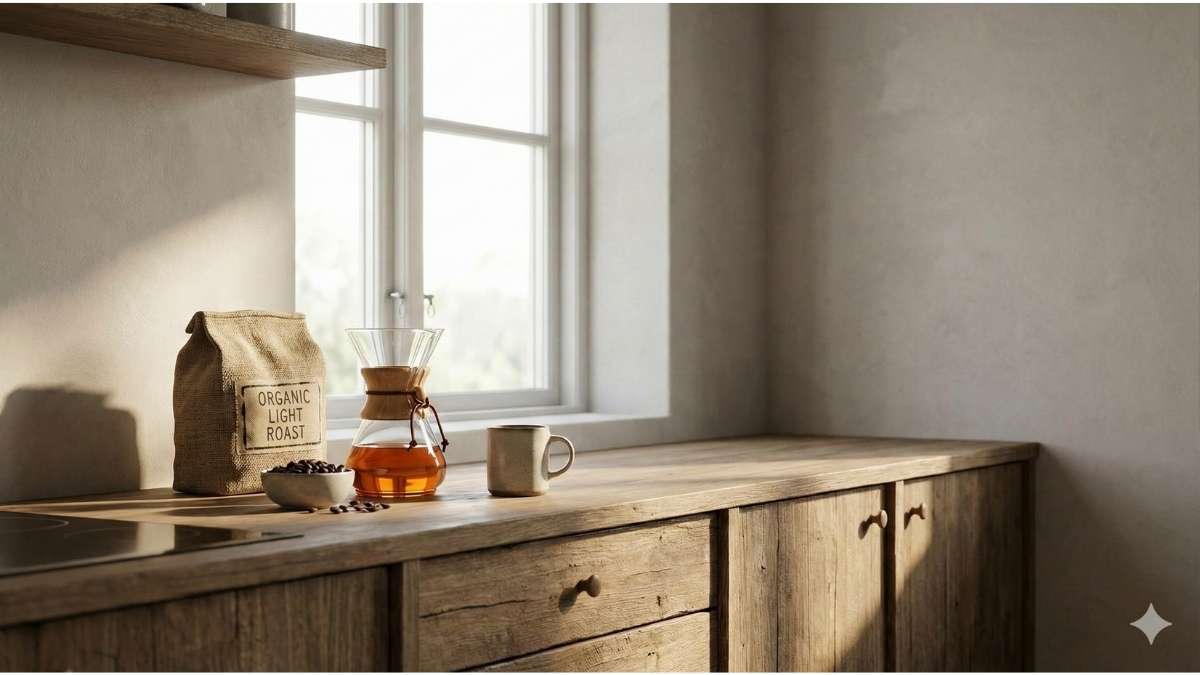
I don't care about the fancy packaging; I care about the bean density, the roast profile, and the toxin reports. Here is how to buy like a pro.
FAQ: The Bio-Hacker's Corner
Q: Should I delay caffeine 90 minutes after waking?
A: The "90-minute delay" is largely over-hyped. While valid in theory regarding adenosine, the Cortisol Awakening Response is robust regardless of caffeine. If you need it to function, drink it. Just don't drink it instead of sleeping.
Q: Does "Butter Coffee" break my fast?
A: Yes. Strictly speaking, the caloric load of butter/MCT breaks the nutrient fast.6 However, it does not spike insulin significantly, so you remain in ketosis. But for autophagy (cellular cleanup), the butter stops the process.
Q: Is Cold Brew better for metabolism?
A: Metabolically, they are similar. However, Cold Brew is often less acidic, which is easier on the gut, but hot brewing (specifically paper filtered) extracts different ratios of cafestol (a cholesterol-raising oil). Stick to paper-filtered hot coffee if cholesterol is a concern.

Meet Saqib
Saqib Ali Ateel is a PhD Scholar by training and a "student of the soil" by nature. He combines deep research, hands-on farming wisdom, and agricultural systems supervision to reveal what’s really on your plate. His mission is simple: to help your family navigate the food industry's complexity so you can eat cleaner, safer, and smarter.
References
- Scientific consensus derived from the International Society of Sports Nutrition Position Stand: Caffeine and Performance.
- Bioavailability data referenced from 2023-2025 agricultural crop analyses on Chlorogenic Acid retention.
- Genomic data regarding CYP1A2 and ADORA2A polymorphisms sourced from recent pharmacogenetic reviews.