Is Organic Coffee Mold Free? The Muddy Truth About Fungi
and Your Morning Brew
Is organic coffee mold free? To find the truth, I want you to close your eyes and imagine standing on a drying patio in the middle of harvest season. The air isn't sterile like a grocery store aisle. It is thick, humid, and smells intensely of fermenting fruit and wet earth. That sticky, sweet scent? That is the smell of coffee cherries breaking down. And where there is sugar and moisture in the tropics, there is life. Microscopic life.
I’ve spent years with mud on my boots and toxicology reports on my desk, so I know exactly how jarring it is to see a headline scream "91.7% of coffee is moldy". It feels like a betrayal. You pay a premium for organic to be safe, so why does it feel like you’re brewing a side of worry with your beans?
But the binary choice between "Clean" and "Toxic" that influencers sell you is false. The reality is messy, biological, and rooted in the soil. Let’s unpack the science of your brew, cutting through the influencer noise to reveal why the fungus dies in the roaster’s fire, while the chemical ghosts might just survive.
🛑 The Blunt Answer: Is Organic Coffee Mold Free?
No, organic coffee is not automatically mold-free.
While the heat of roasting kills 100% of living mold spores, the chemical toxins they leave behind (mycotoxins) can survive if the green beans were handled poorly.
To minimize your risk: Look for Certified Organic beans that are Wet Processed (Washed) and roasted to a Medium-Dark or Dark level, as this incinerates up to 96% of remaining toxins.
✅ The Coffee Safety Checklist
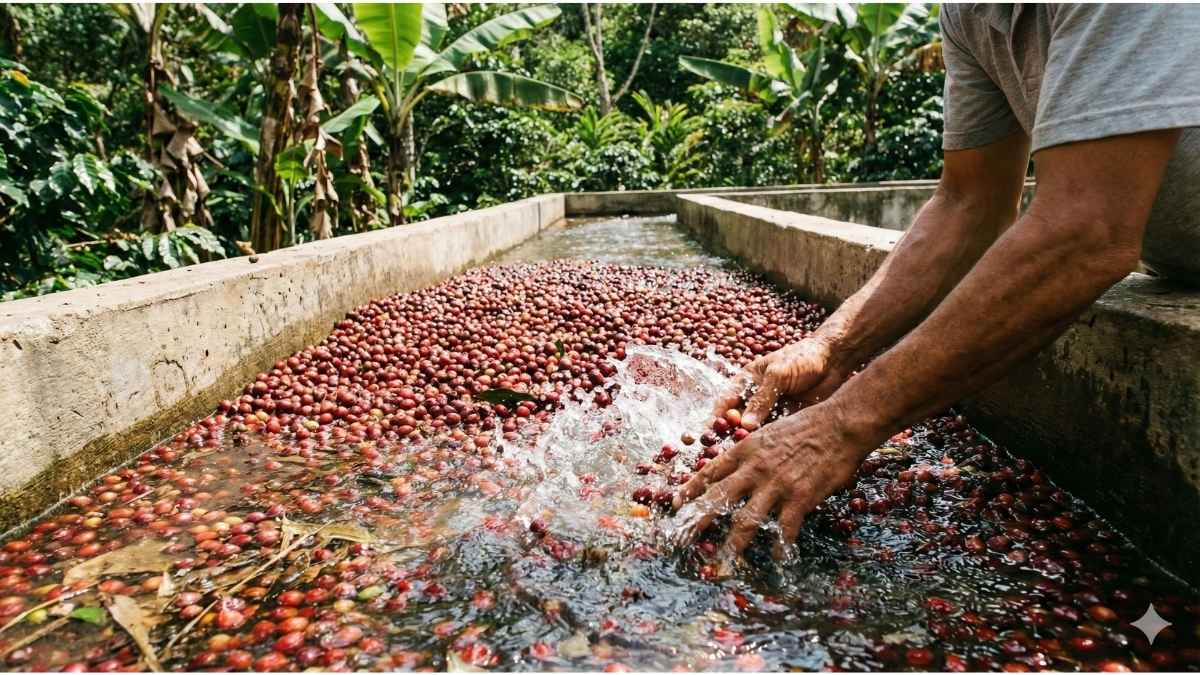
- 💧 Washed Process (Wet Method): This mechanical washing strips away fruit flesh immediately. Less sugar on the bean means less food for mold spores to eat.
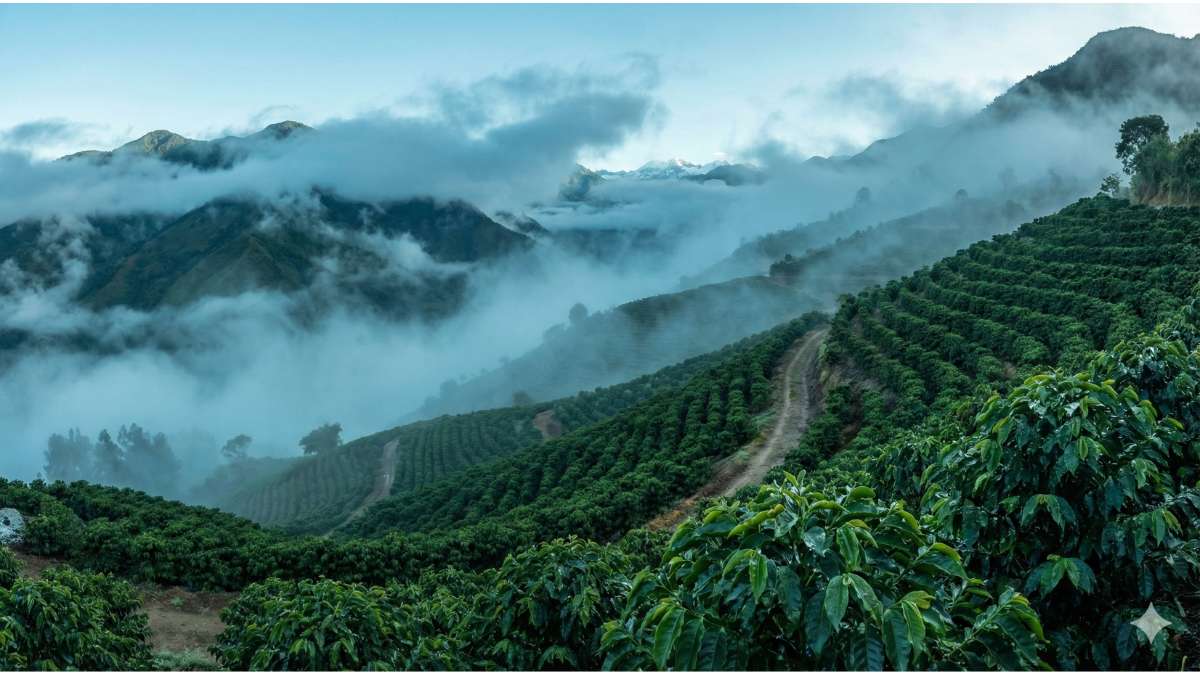
- ⛰️ High Altitude (Strictly Arabica): Choose beans grown in cooler mountain air. Lower temperatures naturally inhibit the growth of Aspergillus fungus compared to hot lowlands.
- 🔥 Medium-Dark to Dark Roast: Don't fear the roast. Higher temperatures act as a thermal kill step, destroying up to 96% of remaining mycotoxins.
- 🔬 Third-Party Verification: The organic logo isn't enough. Look for brands that publish Certificates of Analysis (COA) or adhere to strict European safety standards.
Is "Mold-Free" a Scam? (The 91.7% Myth)
You have likely seen the statistic floating around social media: "91.7% of coffee contains mold." It sounds terrifying, like you are drinking a hazmat slurry. But here is the "PhD" nuance the influencers leave out.
That statistic comes from studies analyzing Green Coffee—the raw, unroasted seed. Green coffee is an agricultural product, like wheat or corn. It sits in warehouses. It travels in shipping containers. It naturally carries fungal spores.
However, you do not drink green coffee. You drink roasted coffee.
The Roaster is an Autoclave: When coffee hits the roaster, it enters a violent thermal environment. Beans are subjected to temperatures between 200°C and 240°C.
Let’s be real: nothing lives through that kind of fire. Those mold spores aren't just killed—they are roasted into oblivion. Think of the roaster as a biological reset button—it’s a thermal "kill step" that scorches the living spores, ensuring they are dead long before they reach your grinder.
The Ghost in the Machine: Mycotoxins: The problem isn't the mold organism itself; it's the "exhaust" fumes the mold left behind before it died. These are called Mycotoxins, specifically Ochratoxin A (OTA). Unlike the fungus, OTA is a stable chemical molecule. It doesn't die; it has to be chemically broken apart by sustained heat.
The Verdict: Stop worrying about "mold spores" (they are dead). Start worrying about the "chemical ghosts" (mycotoxins) and how your roaster handles them.
Does "Organic" Actually Mean
"Cleaner"?
This is where I have to take off my farmer's hat and put on my researcher's spectacles, because the data is counterintuitive. We assume "Organic" means "Zero Contaminants." But biologically, it's more complex.
The Ecological Reality: Organic farming builds living soil. That is great for the planet, but it means organic fields naturally teem with life—including fungi. Conventional farmers spray synthetic fungicides that wipe out this biodiversity. Organic farmers cannot use those sprays.
Does this mean organic is moldier? Not necessarily. It means the organic farmer must be a master of hygiene. They rely on "Safety Filters" like biological pest control (to stop beetles from drilling holes in the beans) and rapid drying techniques. If an organic farmer is lazy with their drying patio, that coffee will develop mold faster than chemically treated beans.
The Soil Paradox: However, organic is still the superior choice for one massive reason: Synthetic Pesticides. While mold is a risk in both systems, conventional coffee is guaranteed to have chemical residues. However, recent data has shown that even organic coffee can be contaminated with AMPA (a breakdown product of glyphosate) due to environmental drift.
The Verdict: The "Organic" label protects you from synthetic pesticides, not necessarily mold. It is a starting point, not a guarantee. You need "Organic + Verified Testing".
Can the Roaster Burn Away the Danger?
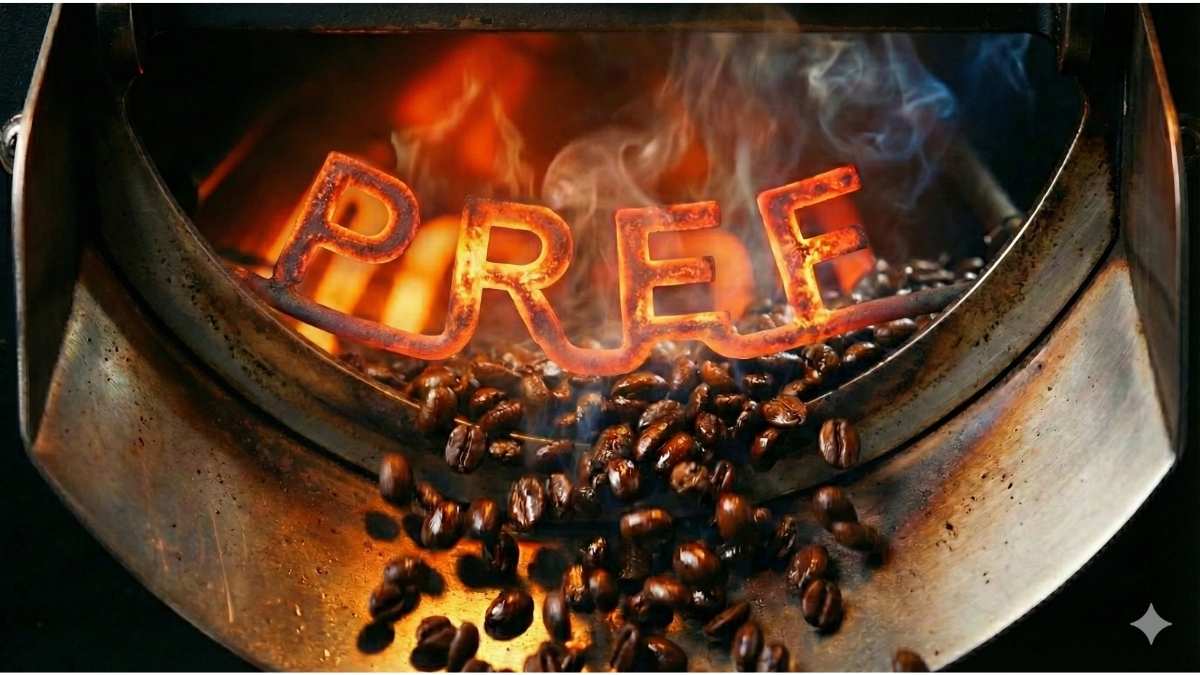
If the beans come from the farm with baggage, the roasting drum is where we try to fix it. This is a game of thermodynamics.
The Light Roast Trap: The modern "Third Wave" coffee movement loves Light Roasts. They taste floral, acidic, and complex. But here is the catch: Light roasts often don't get hot enough (or stay hot long enough) to shatter the toxin's molecular bonds. They retain significantly more mycotoxin risk than darker roasts.
The Dark Roast Solution: As the roast deepens and temperatures climb past 220°C, a chemical miracle happens. The heat physically breaks the amide bonds of the toxin. Studies show that a Dark Roast can destroy 96% to 99% of Ochratoxin A.
The Trade-off: Farming—and roasting—is a high-stakes negotiation; to incinerate the mycotoxins, you have to be willing to trade away some of the antioxidants. Dark roasting kills the toxins and reduces Acrylamide (a process contaminant), but it also lowers the antioxidant count. However, if your priority is avoiding toxicity, the trade-off is clear.
The Verdict: If you want to maximize safety, embrace the dark side. A French Roast is statistically safer than a Cinnamon Roast.
Brands That Put Their Money Where Their Mouth Is
I’ve tracked down brands that adhere to strict safety standards so you can skip the guesswork. Here is how they stack up against the criteria we just discussed.
| ☕ Brand | ⚙️ Process & Features | 🔬 Lab Testing Standards | 🏆 Best For... |
|---|---|---|---|
| Purity Coffee | 💧 Washed / Nitrogen Flushed | 🚫 To "Non-Detectable" Limits | 🧘 The Health Optimizer |
| Danger Coffee | 💎 Remineralized | 📜 Third-Party Verified | 🧼 Detox Support |
| Kicking Horse | ⛰️ Wet / Organic | 👁️ Internal Monitoring | 💰 Budget & Availability |
| Note: "Non-Detectable" typically means levels are below the strictest safety thresholds, often surpassing EU standards. | |||
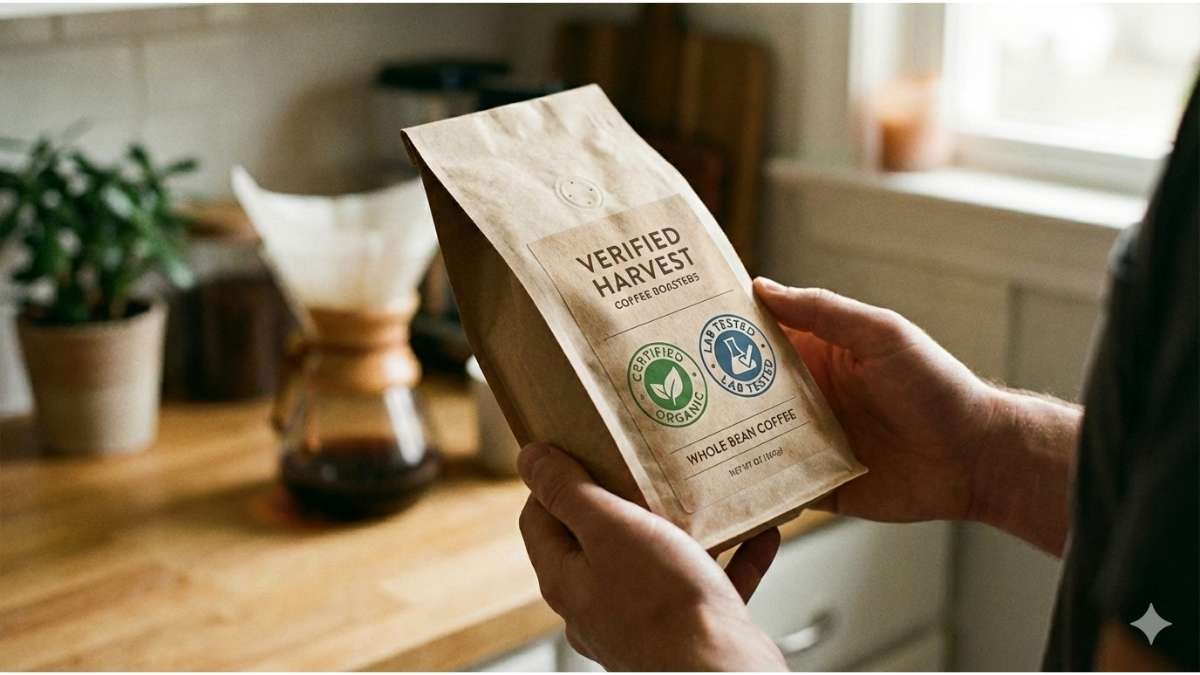
FAQ: Questions from the Farm Gate
Q: I get brain fog immediately after coffee. Is that the mold?
A: Likely not. "Toxic Mold Syndrome" from coffee is often exaggerated. True mycotoxin poisoning is a slow, chronic kidney issue, not an immediate "fog". If you feel jittery or foggy right away, it is likely Caffeine Sensitivity, Rancid Oils (stale coffee), or a Histamine Reaction.
Q: Is Decaf safer or more dangerous?
A: Without caffeine (a natural fungicide), the bean loses its armor. This makes decaf beans "sponges" for mold if not stored perfectly. Always buy organic decaf processed with the Swiss Water Method to avoid chemical solvents and ensure better hygiene.
Q: What is the safe limit for these toxins?
A: The US FDA lacks a specific limit just for coffee. The European Union is the gold standard, setting a strict limit of 3.0 ppb (parts per billion) for Ochratoxin A. Many "Clean Coffee" brands voluntarily meet this standard because the FDA doesn't enforce it strictly enough.

Meet Saqib
Saqib Ali Ateel is a PhD Scholar by training and a "student of the soil" by nature. He combines deep research, hands-on farming wisdom, and agricultural systems supervision to reveal what’s really on your plate. His mission is simple: to help your family navigate the food industry's complexity so you can eat cleaner, safer, and smarter.