100%
Grass-Fed Whey Protein Audit: Supply-Chain Proof, Not Hype
I can still smell the damp soil and fresh green fodder from our family farm—the kind of morning where you didn’t need a label to tell you what was real. Years later, standing in a cold, echoing processing plant, I learned how easily a product can look “clean” on the outside while the supply chain behind 100% grass-fed whey protein stays blurry on purpose. One of the biggest tricks isn’t some dramatic fraud—it’s the quiet loopholes that let feedlot milk mingle with just enough pasture-raised supply to keep marketing claims comfortably vague.
When we say 100% grass-fed, it strictly means the dairy comes from cows eating a 100% forage diet without a single drop of grain. You can only verify this reality through independent audits, such as the American Grassfed Association (AGA). Because grain hasn't disrupted the cow's natural digestion, this whey usually retains higher-quality bioactive proteins and is associated with a much stronger Omega-3 fat profile. To help you skip the marketing noise, I pulled the heavy-metal lab reports and grain-free affidavits myself.
Before we look at the winners, here is the exact 10-step audit I use to screen these supply chains.
📋 The 100% Grass-Fed Whey Audit Checklist
Use this 10-step framework to reduce your purchase risk before buying any dairy supplement:
- AGA / AGW Logo: Is there a recognized third-party grass-fed certification on the label?
- Written Standard: Does the brand publicly post its "100% forage, no grain" standard?
- Country of Origin: Can they trace the whey back to the specific country or farm?
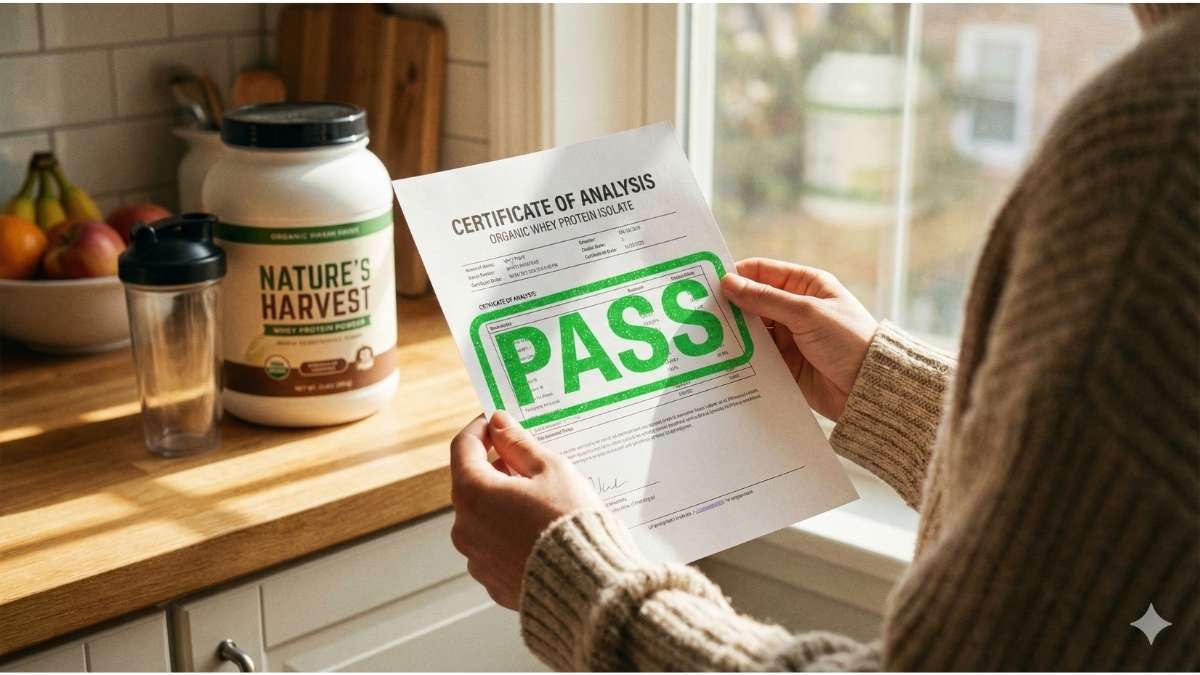
- Lot-Specific COA: Do they provide a Certificate of Analysis for the exact batch you are buying?
- ICP-MS Testing: Does the COA explicitly show heavy metal screening using ICP-MS methodology?
- Protein Verification: Is the protein content third-party verified to prevent amino-spiking?
- Processing Method: Is it cold-processed (microfiltration/ultrafiltration) to prevent protein denaturation?
- Clean Sweeteners: Does it use natural options like stevia or monk fruit, avoiding artificial additives?
- USDA Organic Seal: Does it carry the organic seal as an additional layer of pesticide protection?
- Transparency/Return Policy: Do they answer supply-chain questions directly and offer a clear return policy?
🛑 The Blunt Answer: Which Type Should You Buy?
Navigating the supplement aisle shouldn't require you to read agricultural compliance logs. Use this quick, goal-based selector to find exactly what your body needs:
- Lactose Sensitive / Prone to Bloat ➔ Choose Isolate.
- Maximum Purity / Lowest Toxins ➔ Choose Isolate.
- Want Pasture Fats / CLA ➔ Choose Concentrate.
- Best Taste / Creaminess ➔ Choose Concentrate.
- Strict Budget ➔ Choose Concentrate or a Blend.
Let me save you some time. The matrix below shows the few brands that actually backed up their claims and audited this checklist during March 2026.
📊 Transparent Methodology: At-A-Glance Value Matrix
*Disclaimer: As an Amazon Associate, preforganic.com earns from qualifying purchases. If you purchase through these links, we may earn a small commission at no extra cost to you. This helps support our independent supply-chain audits.

🧪 Why Your
"Audit" Matters?
To understand why "100% grass-fed" is so wonderful for your health, we just need to look at the biology of the cow. Cows are ruminants. Think of their stomachs as highly specialized, living fermentation vats designed exclusively to break down fibrous green grasses like Lucerne.
When commercial dairies feed a cow grain—even organic corn or soy—the internal environment (the pH level) of their stomach turns highly acidic. This unnatural acidity changes the molecular signature of the milk they produce. Peer-reviewed dairy-composition studies comparing forage versus grain diets show that a grain-finished cow often produces milk with up to 50% less Conjugated Linoleic Acid (CLA) than a strictly pasture-fed peer, swapping out those beautiful, anti-inflammatory fats for inflammatory Omega-6s.
We also need to touch on Whey Protein Denaturation. Think of liquid whey protein like a raw egg. When you crack an egg into a hot pan, the clear liquid turns white and rubbery. That is, heat permanently alters the physical structure of proteins. If your whey is "hot-processed"—a frequent shortcut manufacturers use to speed up production—you destroy the delicate, immune-supporting bioactive fractions like beta-lactoglobulin and alpha-lactalbumin.
📜 Section 1: Decoding the
Label (Regulatory Reality)
Note: This section focuses on U.S. labeling contexts; regulations in other countries vary.
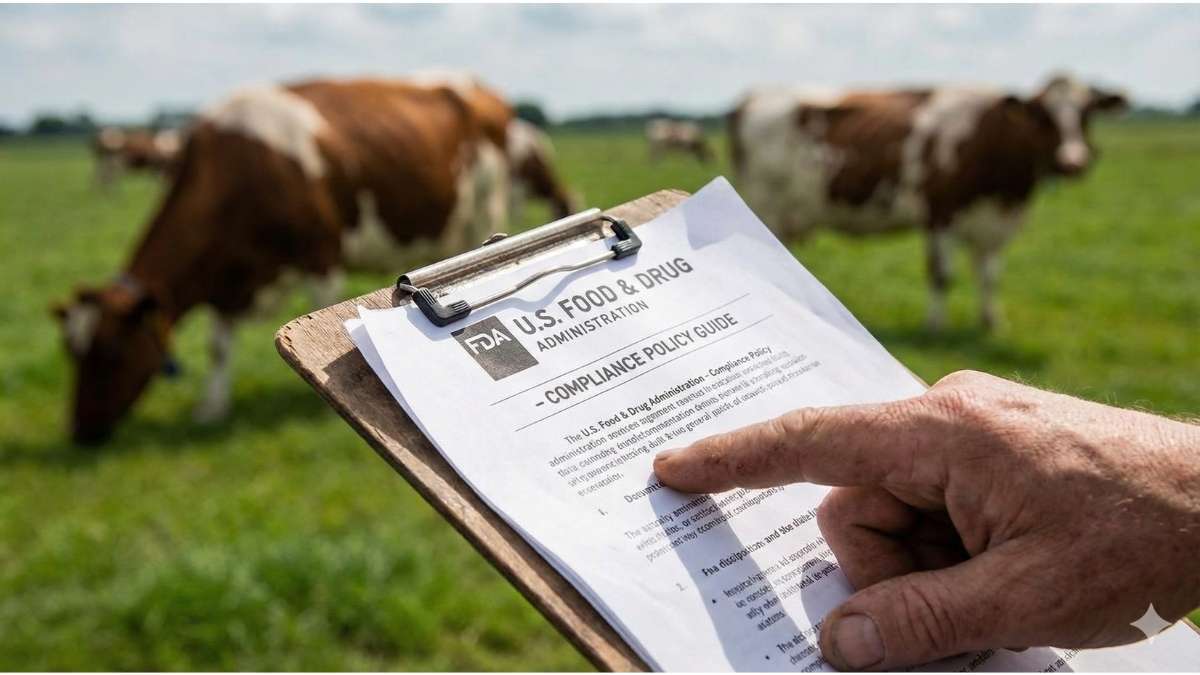
The legal reality of the global supplement industry has a few blind spots. Under the FDA misbranding provisions (21 U.S.C. § 343), food and supplement companies are prohibited from using labels that are "false or misleading." However, here is the catch we see in the regulatory space: there is no specific, legally binding federal definition for the term "grass-fed" when applied to whey protein.
It's a massive blind spot. It means a commercial dairy cow could spend the last ten months of its life standing in a feedlot eating cheap grain, but because it grazed on green fodder during its first few months as a calf, a brand may legally market their tub with a "grass-fed" sticker.
To find real purity, look for third-party verification. The USDA AMS Process Verified Program (PVP) provides a solid baseline, but the true gold-standard certifications come from the American Grass-fed Association (AGA) and A Greener World (AGW). These independent audits strictly require 100% forage from birth through their entire milking lifecycle.
🧬 Section 2: 100%
Grass-Fed Whey Protein Isolate vs. Concentrate
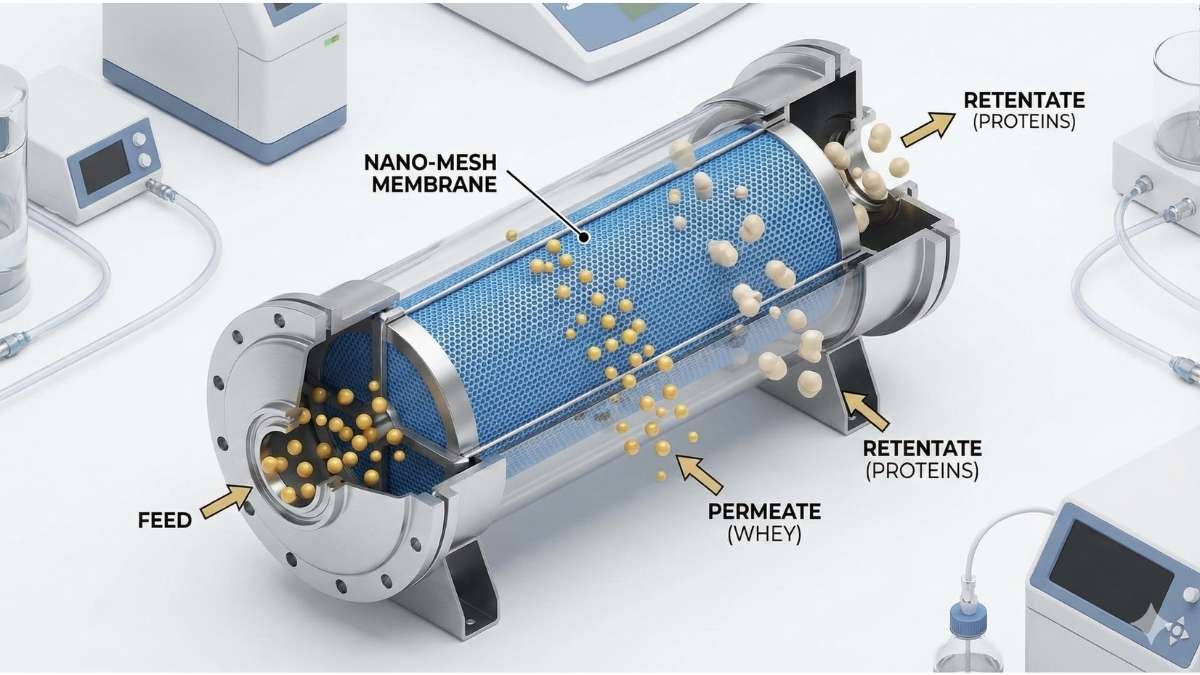
Why do so many of us obsess over grass-fed whey protein isolate? It comes down to gentle, industrial filtration. High-quality isolates are produced using cold membrane filtration (often ultrafiltration or microfiltration).
Think of it like a microscopic coffee filter that only lets the pure protein through without applying any damaging heat. From a compliance perspective, Isolate (WPI) is the "cleaner" choice because it yields roughly 90% pure protein by weight. Independent labs verify this exact percentage using a standardized testing protocol (the Kjeldahl method), applying a specific nitrogen-to-protein conversion factor of 6.38, as outlined by the FAO protein quality guidelines.
🌱 Section 3: The
"Organic" Layer (Is Organic Better?)
When you invest in organic grass-fed whey protein, you are securing a robust layer of protection governed by the USDA National Organic Program (7 CFR Part 205). This ensures the farm pastures were free of synthetic pesticides, the cows ate no GMO crops, and they were never administered routine antibiotics.
However, here is a friendly tip from someone who knows the commercial system: The organic regulations explicitly allow organic cows to eat organic grain. Therefore, "Certified Organic" does not automatically mean "100% Grass-Fed." If you want the absolute best for your health and the environment, look for a product that carries both the USDA Organic seal and a dedicated 100% Grass-Fed certification mark.
⚖️ The Truth Table: Fact vs. Myth
❓ FAQ: People Also Ask
- How do I verify a whey protein is truly grass-fed?
Check the back of the tub for a registered third-party logo like AGA (American Grassfed Association). If it is missing, use the email template above to request their "grain-free affidavit."
- What does "third-party tested" actually mean?
It means an independent laboratory tested the powder to ensure it actually contains the amount of protein claimed on the label, and that it is free of banned substances and heavy metals.
- Is grass-fed whey healthier than regular whey?
Current peer-reviewed evidence suggests yes. Dairy-composition studies indicate that 100% pasture-fed dairy contains significantly higher proportions of Omega-3 fatty acids and CLA, offering excellent anti-inflammatory properties compared to commercial dairy.

Meet Saqib
Saqib Ali Ateel is a PhD Scholar by training and a "student of the soil" by nature. He combines deep research, hands-on farming wisdom, and agricultural systems supervision to reveal what’s really on your plate. His mission is simple: to help your family navigate the food industry's complexity so you can eat cleaner, safer, and smarter.