What
is Food Safety? A 7-Step Audit for Safer Shopping
On a stainless-steel production line, “What is Food Safety?” stops being a buzzword and becomes a paper trail you can verify—or a risk you can’t. I’ve watched spotless facilities pass the eye test while their documentation quietly failed the real one: missing batch lab reports, vague sourcing, and no proof they screen for germs or heavy metals. Meanwhile, shoppers are expected to trust date labels, pretty packaging, and claims like “triple washed” without understanding what those words do (and don’t) guarantee.
This guide cuts through the labels and the jargon and shows you the same evidence I look for before I bring any food or kitchen tool into my own home. You’ll get my blunt buying filters, a simple 7-step audit you can run in minutes, and the key regulations and hazards those checks are designed to catch. The goal is straightforward: replace guesswork with proof you can actually verify.
The Blunt Answer: What Should You Actually Buy? 🎯
Let's skip the heavy jargon and get right to what passes my 2026 inspection checks:
-
🌾
If you want to lower heavy metals in your pantry → Choose brands that openly share their lab tests for every single harvest.
-
🥩
If you want to cook meat safely every time → Choose a digital instant-read thermometer that comes with a paper proving it was tested for accuracy.
-
🥦
If you want to limit pesticides in your veggies → Choose USDA Certified Organic foods that show recent testing.
-
🫙
If you want to store leftovers without plastic chemicals → Choose medical-grade silicone or thick glass containers.
The Insider’s 7-Step Food Safety Checklist 📋
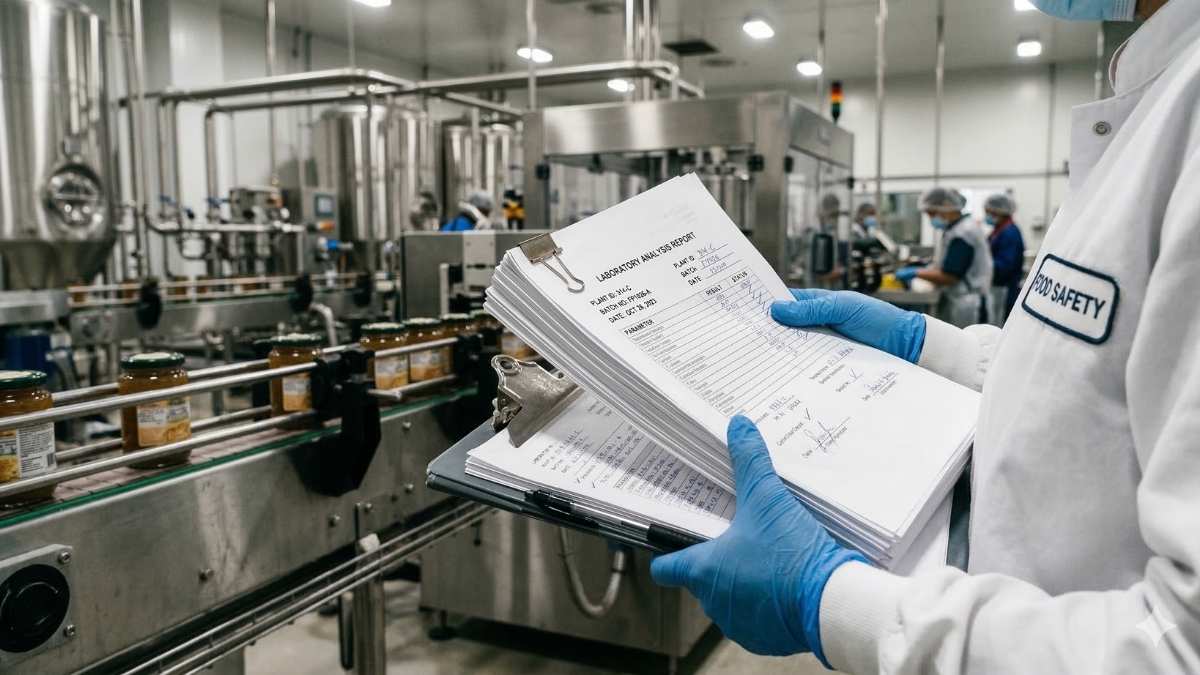 The journey from a small farm to a massive factory shows why we need strict rules to keep our food clean.
So, how are these recommendations selected? Evaluating food brands and kitchen tools requires moving past marketing claims and looking at verifiable data. The following 7-step checklist outlines the core criteria used to consistently vet products for safety and quality:
-
1
Look for Batch Lab Tests (COAs): Does the company share a Certificate of Analysis (a lab test) for the exact batch you are buying, instead of just relying on a test from five years ago?
-
2
Find Outside Certifications: I always look for stamps of approval from strict outside groups (like SQF or USDA Organic), rather than companies that just grade their own homework.
-
3
Trace the Farm: Does the brand proudly tell you exactly which farm or group of farms the food came from?
-
4
Check for Heavy Metal Tests: Look for proof that they test for things like lead and arsenic, keeping them well below safety limits.
-
5
Look for Germ Testing: Do they test their raw foods to make sure harmful germs like Salmonella and E. coli aren't crashing the party?
-
6
Check How It’s Made: For things like cooking oils, look for "solvent-free" or "cold-pressed" methods that don't use harsh chemicals to extract the good stuff.
-
7
Look Up FDA Recalls: Do a quick online search to see if the company has a habit of pulling dangerous food from shelves.
Transparent Methodology: The 2026 Food Safety Value
Matrix
Note: This table lists products and sources I consider to have passed my document checks this year. No fluff, just facts.
| 🛍️ Brand/Category | 🏅 Key Cert Proof | 🧪 Batch Lab Test? | 📉 Purity Focus | ⭐ Key Feature | 🌍 Origin |
|---|---|---|---|---|---|
| Thermapen ONE (Thermometer) | Accuracy Certificate 📜 | N/A (Hardware) ⚙️ | Exact Temperature 🌡️ | 1-second read ⏱️ | UK 🇬🇧 |
| Serenity Kids (Pantry/Baby) | Clean Label Project 🏆 | Yes (Heavy metals) ✅ | Toxin-Free 🚫 | Traceable US Farms 🚜 | US 🇺🇸 |
| Stasher (Storage) | Strict EU Standard 🇪🇺 | N/A (Hardware) ⚙️ | Pure Silicone 🧊 | No BPA plastics ♻️ | US Design 🇺🇸 |
| Safe Catch (Seafood) | Clean Label Project 🏆 | Yes (Every fish tested) 🐟 | Lowest Mercury 📉 | Tests every single tuna 🔍 | Global 🗺️ |
*Affiliate Disclosure: As an Amazon Associate, I earn from qualifying purchases. Please note that I utilize Amazon.com affiliate links for products like Serenity Kids, rather than having a direct affiliate relationship with the company itself. If you click on the links above and make a purchase, I may earn a small commission at no extra cost to you.
Understanding the Basics: Food Safety vs. Food Hygiene
Whenever I chat with friends about this stuff, I notice we often mix up 'hygiene' with 'safety.' The Centers for Disease Control and Prevention notes that foodborne diseases are illnesses caused by eating contaminated food or water.
Here is the easiest way to think about it: Food safety is the big-picture plan designed to stop dirt and bacteria from getting into the food supply in the first place. Food hygiene is just one part of that plan—it covers your daily habits, like washing your hands or wiping down a cutting board. Think of safety as the architect's blueprint, and hygiene as the daily cleaning crew.
The 3 Main Food Safety Hazards
When I'm walking through a food factory, I am looking to stop three main types of problems:
1. Biological (Germs): Bacteria, viruses, and parasites. This is the most common cause of those awful stomach bugs.
2. Chemical: Leftover pesticides, heavy metals from the soil, or unapproved cleaning chemicals.
3. Physical: Hard objects like tiny pieces of glass, metal from machines, or rocks that sneak into the bag.
The Hidden Hazard: Food Allergens
For our friends and family with allergies, certain foods are a serious danger. Good factories work incredibly hard to keep the U.S. FDA’s 9 major food allergens (like peanuts, milk, and wheat) completely separate from everything else.
Practical Food Safety Steps for Your Home Kitchen
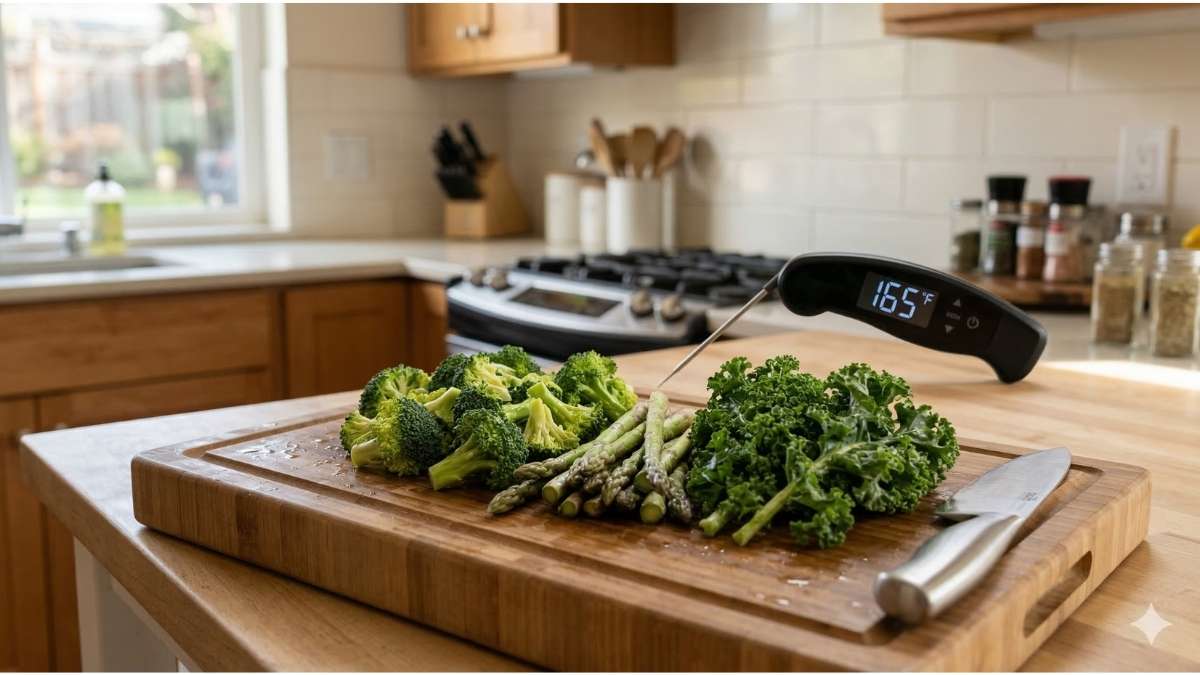
All the factory rules in the world won't help if things go wrong right on our own kitchen counters!
The 4 Steps to Prevention
The U.S. CDC guidelines recommend four super simple steps to keep your family safe:
- Clean: Wash your hands and counters often.
- Separate: Keep raw meat far away from foods you eat raw, like your beautiful fresh salads.
- Cook: Heat food until it is fully cooked inside.
- Chill: Pop those leftovers in the fridge right away.
Temperature Control and "The Danger Zone" 🌡️
Germs absolutely love warm environments. They multiply incredibly fast between 40°F and 140°F—which the FDA literally calls the "Danger Zone." You cannot tell if meat is safe just by looking at its color. Studies show that using a good food thermometer is the only sure way to know the germs are gone for good.
Understanding Food Label Dates
Here is a fun regulatory reality check: USDA date labels on food packages are almost always about taste, not safety! "Best By" just means the food will taste its absolute best before that date. It does not mean it turns into poison at midnight the next day (with the very strict exception of baby formula).
Decoding the Label: Global and U.S. Food Safety Laws
Around the world, international health bodies set basic guidelines that countries use to trade food safely across borders.
Navigating U.S. Food Safety Laws
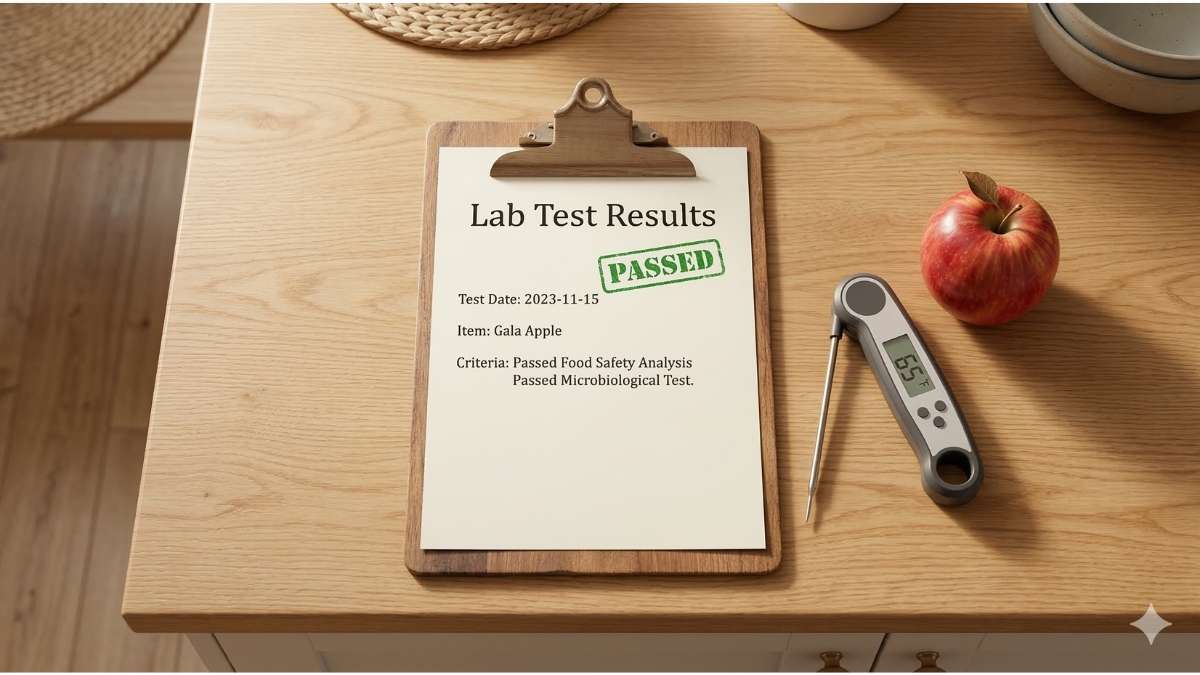 Understanding the basic rules helps you choose brands that actually care about your health and safety.
In the USA, things changed a lot recently with the FDA's Food Safety Modernization Act (FSMA). This amazing law forced companies to focus on preventing problems before they happen, rather than just reacting after people get sick. At the same time, the USDA oversees strict food safety laws specifically for our meat, poultry, and eggs.
What is HACCP?
Hazard Analysis and Critical Control Point (HACCP) is a step-by-step system used to find and stop hazards before food leaves the factory. Fun fact: It was actually created for NASA to keep astronauts safe in space! Now, it is required for companies making things like juice, seafood, and meat.
🛑 The Truth Table: Food Safety Myths vs. Reality
| 🗣️ The Claim | 📜 The Real Rules (Regulations) | 🦄 The Marketing Myth | 🕵️♂️ My Insider Verdict |
|---|---|---|---|
| "Locally Grown" 🚜 | No strict federal safety rules; relies on local health codes. | Local means it is automatically safer and pesticide-free. | Ask your local farmer if they test their water and soil. Closer to home doesn't always mean cleaner! |
| Date Labels 📅 | The USDA says dates are for quality, not safety. | Food is dangerous to eat the day after the date printed on it. | Trust your nose and eyes, and think about how the food was stored, rather than just reading the label. |
| "Triple Washed" Salads 🥗 | Washed in large factory water tanks (often with chlorine) to reduce germs. | It is 100% clean and has zero risks. | It tends to be low risk, but germs can still grow inside the sealed bag. Give it a rinse! |
| "Chemical Free" 🧪 | It is impossible to be chemical-free (water is a chemical!). | The food has absolutely zero compounds in it. | Look for phrases like "made without chemical solvents" instead of falling for impossible promises. |
Deep Dive Reviews: Kitchen Tools
1. Thermapen ONE by ThermoWorks
- Pros: It comes with a real lab certificate proving it reads temperatures perfectly (a big deal for safety). It gives you the temperature in one second!
- The Catch: It is a bit of an investment and you do have to wash it by hand.
- Smart Buy Tip: Look for "open-box" sales on their main website to get a nice discount while keeping that accuracy guarantee.
2. Stasher Platinum Silicone Bags
- Pros: Meets both U.S. and strict European rules for food safety. It will not leak plastic chemicals into your food when you heat it.
- The Catch: You have to clean the corners very well to stop mold from growing.
- Smart Buy Tip: These are fantastic for freezing food or cooking in hot water, where regular glass might crack.
FAQ: Your Food Safety Questions Answered
What is the difference between food hygiene and food safety?
Food safety is the set of laws and systems used to keep food clean from the farm all the way to the store. Food hygiene is the daily, hands-on part of safety—like you washing your hands and keeping your kitchen clean.
Who is at higher risk for foodborne illness?
FDA data shows that adults over 65, children under 5, pregnant women, and folks with weak immune systems are much more likely to get seriously sick from germs in food.
What are the 4 C's of food safety?
In many countries, they teach Cleaning, Cooking, Chilling, and avoiding Cross-contamination. In the U.S., the CDC calls these exact same steps Clean, Separate, Cook, and Chill!

Meet Saqib
Saqib Ali Ateel is a PhD Scholar by training and a "student of the soil" by nature. He combines deep research, hands-on farming wisdom, and agricultural systems supervision to reveal what’s really on your plate. His mission is simple: to help your family navigate the food industry's complexity so you can eat cleaner, safer, and smarter.