Strategic Organic: The 2026 Environmental Working Group
Clean Fifteen & Your Pesticide Management Blueprint
You don't mind paying for quality, but you refuse to pay for theater. At the grocery store, the smartest move is often the least dramatic: exploiting the organic marketing loophole by buying conventional avocados, onions, and pineapples, and reserving your capital for highly susceptible crops.
The 2026 Environmental Working Group Clean Fifteen only matters if it helps you triage quickly, using verifiable USDA residue data rather than opaque label claims.
Most organic packaging answers the question that sells, not the one that matters: is this specific crop biologically safe, or just an expensive vulnerability?
Having worked the land and monitored implementation of rules, I do not rely on marketing claims; I audit compliance logs.
The Official 2026 Clean Fifteen Baseline List
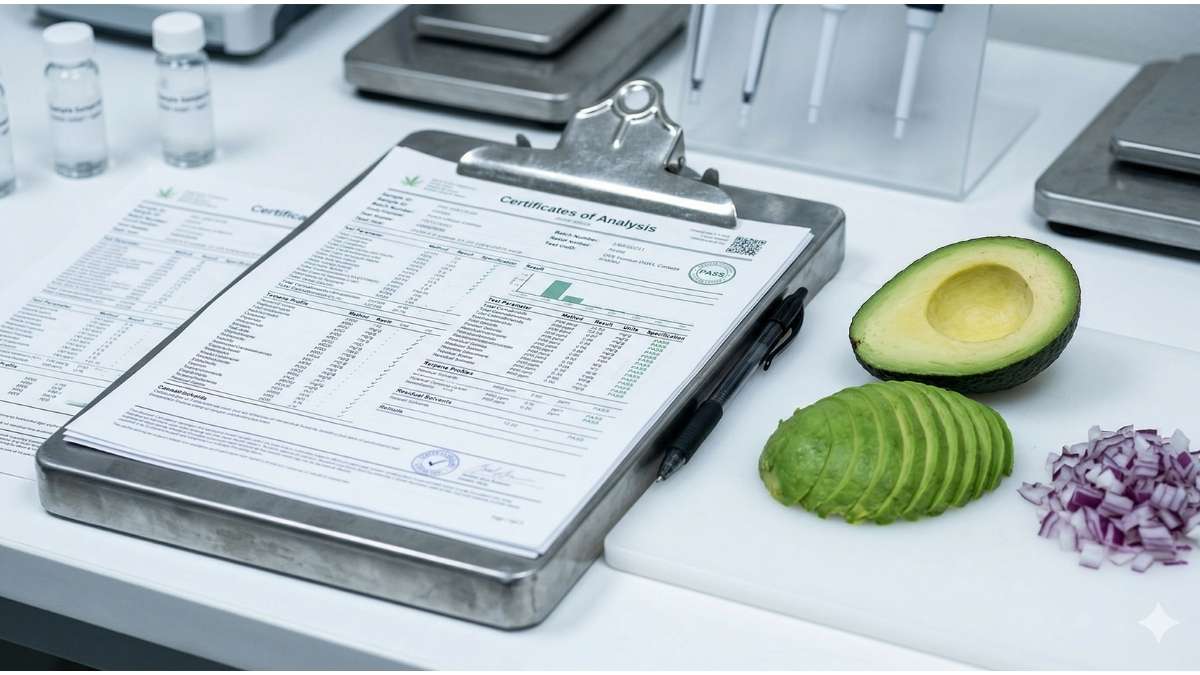
Verifiable testing confirms these 15 conventional crops carry the lowest pesticide loads. They are your safest budget-conscious buys:
Agricultural Physics: Why These 15 Crops Are
"Naturally Clean"?
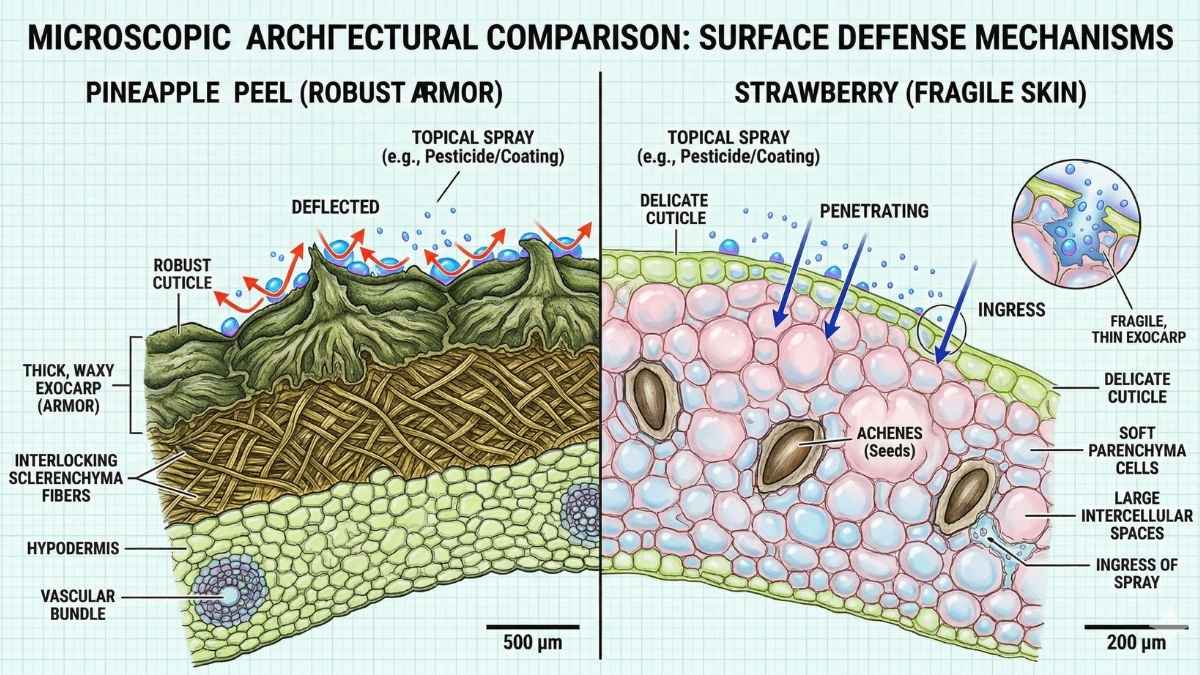
Crop resilience depends on agricultural physics and biochemistry, not farm-level benevolence. Field realities show that specific biological mechanisms dictate pesticide absorption rates.
Physical Barriers: Thick Skins and Inedible Peels
Avocados and pineapples possess tough, impenetrable outer layers that effectively halt topical pesticide absorption into the edible flesh. Similarly, bananas and mangoes are protected by thick pericarps that are removed before FDA testing.
Biological Defenses: Sulfur and Glucosinolates
Certain crops are biochemically hostile to pests. Onions produce volatile sulfur compounds that naturally repel insects, resulting in less than 1% of tested samples showing any detectable residue. Cabbage synthesizes glucosinolates, secondary metabolites that act as natural deterrents, which reduces the need for synthetic chemical intervention.
Beyond the Produce Aisle: Auditing Your Processed Staples
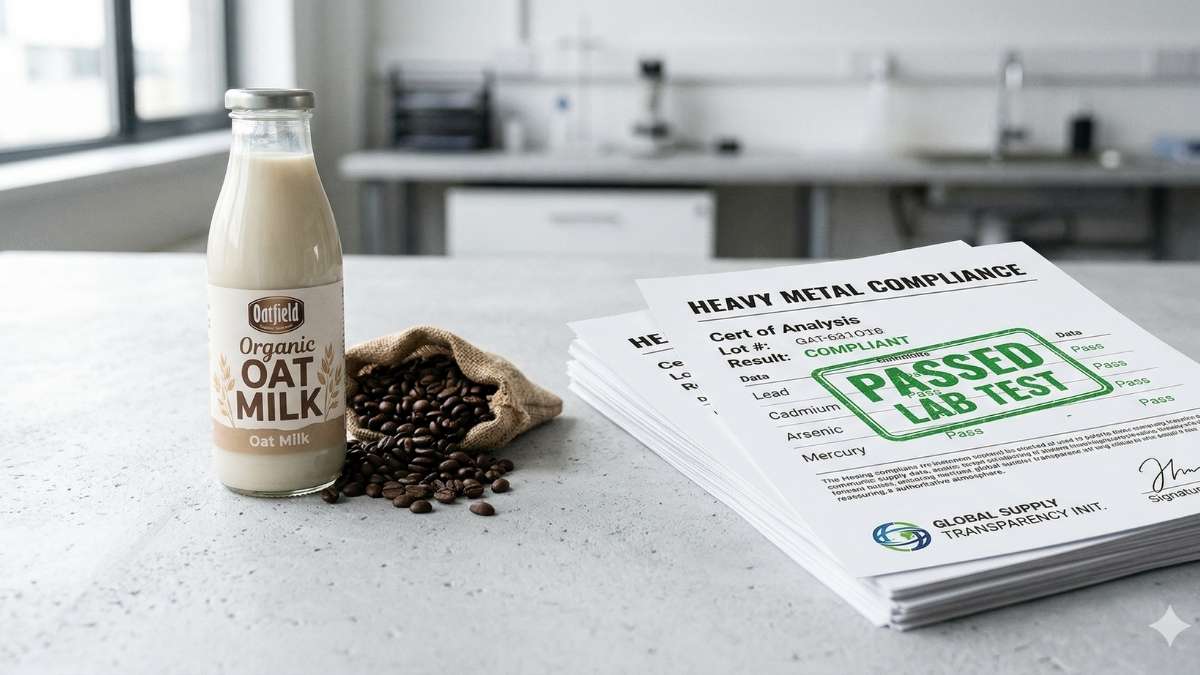
Agricultural compliance does not end with Whole Foods. While the Clean Fifteen protects your produce budget, your daily extraction routines represent a secondary, hidden pathway of exposure.
- The Coffee Audit: Organic certification governs farming inputs, but it does not guarantee the absence of post-harvest mycotoxins like Ochratoxin A. (Read the full PhD Farmer's Coffee Audit here).
- The Oat Milk Audit: Non-organic oats are routinely subjected to pre-harvest desiccation using glyphosate. (Read the full PhD Farmer's Oat Milk Integrity Report here).
Regulatory Reality Check
The EWG is an independent data aggregator; it is not a U.S. regulatory agency. Its classifications do not represent federal compliance designations. The EPA sets legal residue limits, known as "tolerances," which can be reviewed via the EPA's official pesticide tolerance guidelines. Legal compliance, however, does not equal optimal biological outcomes.
| 🗣️ The Claim |
📜 The Real Rules (Regulations) |
🦄 The Marketing Myth | 🕵️♂️ PhD Farmer's Verdict |
|---|---|---|---|
| "Organic means pesticide-free." | 7 CFR Part 205 (National Organic Program) legally permits naturally derived pesticides (e.g., copper sulfate). | Buying organic means you are consuming zero chemicals. | You weren't careless for assuming this. The packaging is designed to imply a purity standard that doesn't legally exist. Organic is a harm-reduction protocol, not a purity guarantee. |
| "Washing removes all residues." | FDA protocols test food "as consumed" (post-washing). EPA tolerances apply to this final, washed state. | A quick sink rinse makes conventional produce entirely safe. | Do not blame yourself for trusting municipal water. However, rinsing cannot extract systemic pesticides absorbed into the plant's vascular tissue. |
| "The EWG list bans chemicals." | Only the EPA has the authority to cancel a pesticide registration under FIFRA. | The EWG list represents a legal restriction on farmers. | The list is strictly informational. It acts as a triage economic lever for your grocery budget, not a legal mandate for agricultural producers. |
The PhD Farmer’s Produce Remediation Protocol
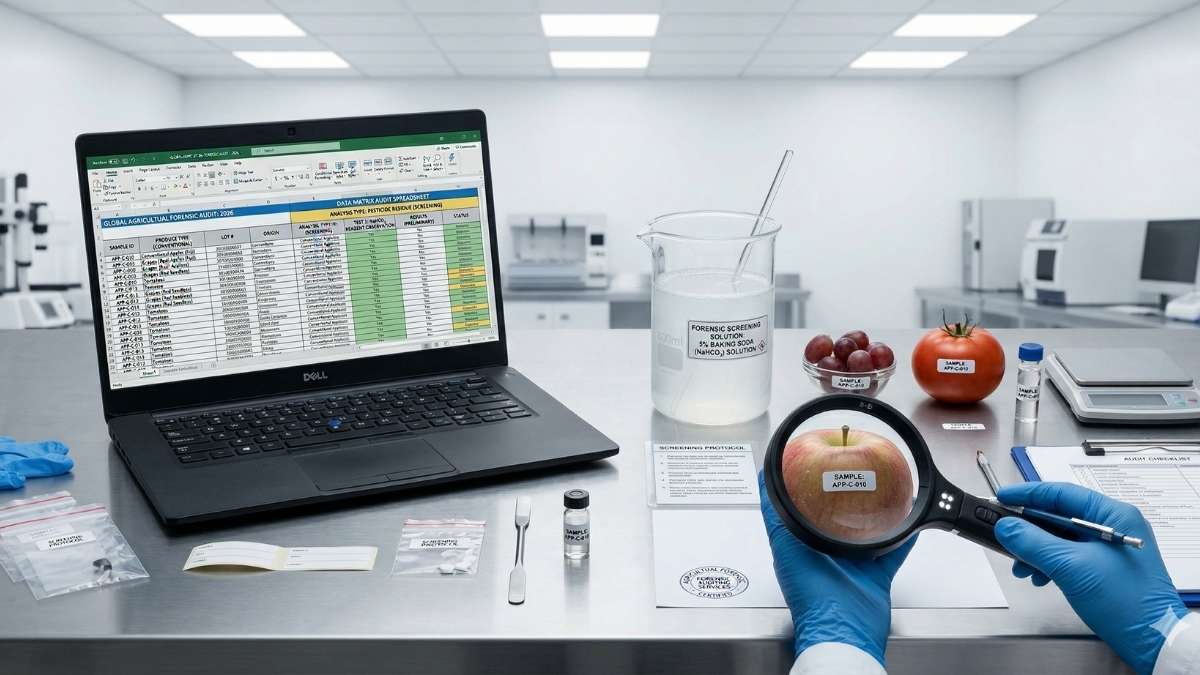
Do not rely on municipal water to degrade agricultural chemistry. Using specific chemical reactions can reduce surface residue before consumption. Empirical research from the University of Massachusetts (UMass Amherst) demonstrates that an alkaline solution (1 teaspoon of baking soda submerged in 2 cups of water) is significantly more effective at degrading thiabendazole and phosmet residues than tap water. A 12- to 15-minute dwell time is required for firm produce.
FAQ: Closing the Loopholes
Q: Everyone says they’re evidence-based. Why should I trust this EWG data?
I’m not asking you to trust the label or my opinion. I’m showing you the testing standard. The EWG data is aggregated directly from USDA PDP swab tests. While it cannot prove a crop is 100% "pure," it does show which commodities consistently test below the EPA's acute toxicity limits of detection, allowing you to make a safer buying decision.
Q: If the whole agricultural market is compromised, then what’s the point of switching anything?
This is not a purity project. It’s a triage problem. You do not need perfect products; you need to avoid the worst trade-offs first. By using the Clean Fifteen for conventional buys, you preserve more of your budget for organic leafy greens and berries, reducing your total pesticide burden.
Q: This sounds too technical. I don’t want another research job at the grocery store. What do I do?
You do not need to master lab methodology or memorize the EPA FIFRA code. You just need the verdict. If budget matters, buy conventional avocados, onions, and pineapples. Spend your extra money on organic strawberries and spinach. Execute the baking soda wash protocol. Everything else is secondary noise.

Meet Saqib
Saqib Ali Ateel is a PhD Scholar by training and a "student of the soil" by nature. He combines deep research, hands-on farming wisdom, and agricultural systems supervision to reveal what’s really on your plate. His mission is simple: to help your family navigate the food industry's complexity so you can eat cleaner, safer, and smarter.
- Home
- Dirty Dozen List
- 2026 Environmental Working Group Clean Fifteen