Good
Organic Coffee: The Clean Bean
Protocol for Verifying Every Bag
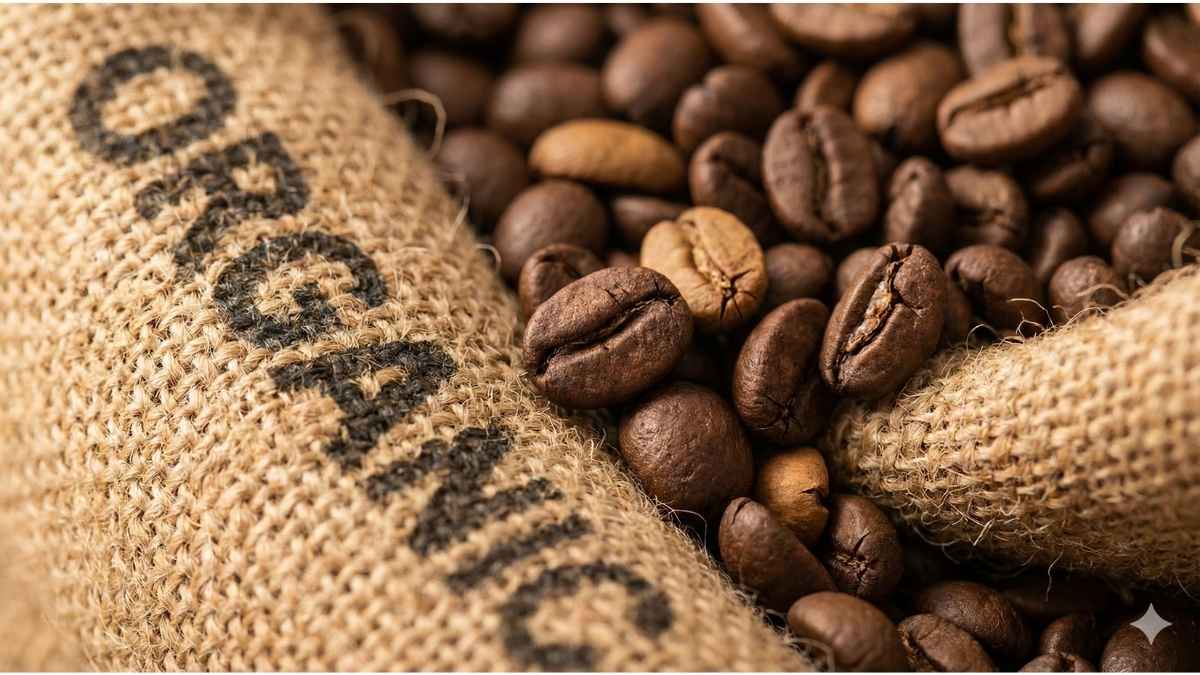
You can feel good organic coffee before you ever taste it: the beans are small, heavy, and surprisingly dense in your hand. That tightly packed structure is a physical fingerprint of slow-grown, high-altitude farming — and, paired with a few other forensic checks, it can tell you whether your morning mug will sharpen your brain or quietly dose you with mold and chemical residue.
If your “daily ritual” leaves you wired, foggy, or with a sour stomach, it's not in your head; it's in the way those beans were grown, processed, and tested. The gap between a neuro-stimulant rich in protective antioxidants and a cup of hot, contaminated water is only a handful of decisions hidden on the label. In this guide, you'll learn the Clean Bean Protocol — a simple, step-by-step way to verify any bag you pick up, from certification and soil quality to mold reports and the decaf method. By the end, you'll be able to audit your current coffee in 30 seconds and upgrade to beans that actually support your metabolism instead of working against it.
Good organic coffee starts with the USDA Organic certification, confirming your beans were grown without synthetic pesticides. It's about a clean roast that preserves deep flavor instead of burning it away, giving you a cup packed with antioxidants—not invisible residue.
🏆 Top Picks Comparison: The 2026 Shortlist
We moved beyond the marketing fluff to compare the top contenders on forensic criteria: mold testing, acidity, and soil quality.
| ☕ Brand | 🔥 Roast Profile | 📜 Key Certs | 🧪 Tested? | 🎯 Best For |
|---|---|---|---|---|
| Purity Coffee | Light / Medium | USDA Organic, Specialty Grade | Yes (400+ Contaminants) | Bio-Hackers (Max Antioxidants) |
| Lifeboost | Medium / Dark | USDA Organic, Single Origin | Yes (Mycotoxin & pH) | Sensitive Stomachs (Low Acid) |
| Kicking Horse | Dark ("Kick Ass") | Canada Organic / USDA | Batch Tested | Daily Drinker (Bold Flavor) |
- ✅ Purity Coffee: The "bio-hacker's" choice. They treat coffee as a supplement, optimizing for antioxidants and testing for every contaminant imaginable.
- ✅ Lifeboost: Single-origin and shade-grown. Rigorously tested for 400+ toxins and offers a low acid profile.
- ✅ Kicking Horse: A reliable, widely available organic option that is cleaner than 99% of grocery store brands.
🛒 Check Best Prices
As an Amazon Associate, I earn from qualifying purchases at no extra cost to you.
🧭 The 30-Second Buyer’s
Pathway
Don't guess. Match your physiology to the bean profile below to find your perfect brew.
1. The "Sensitive Gut" Profile
- Symptoms: Acid reflux, heartburn, or stomach upset after coffee.
- The Fix: You need Low Acid / Darker Roasts.
- Why: Longer roasting reduces acidity, and specific brands test for pH balance.
- Buy This: Lifeboost (Medium/Dark).
2. The "Metabolic Optimizer" Profile
- Goal: Fat loss support and maximum mental clarity.
- The Fix: You need High-Altitude Light Roast.
- Why: Light roasts retain more Chlorogenic Acid (CGA), the compound linked to blood sugar control.
- Buy This: Purity Coffee (Flow).
3. The "Jitter-Prone" Profile
- Symptoms: Anxiety or "tired but wired" feeling after one cup.
- The Fix: You need Swiss Water Decaf (or switch to Green Tea for EGCG).
- Why: It avoids chemical solvents like Methylene Chloride.
- Buy This: Lifeboost Decaf or Purity Calm.
The Science: "Good Land" vs. The
"Dirty" Dozen
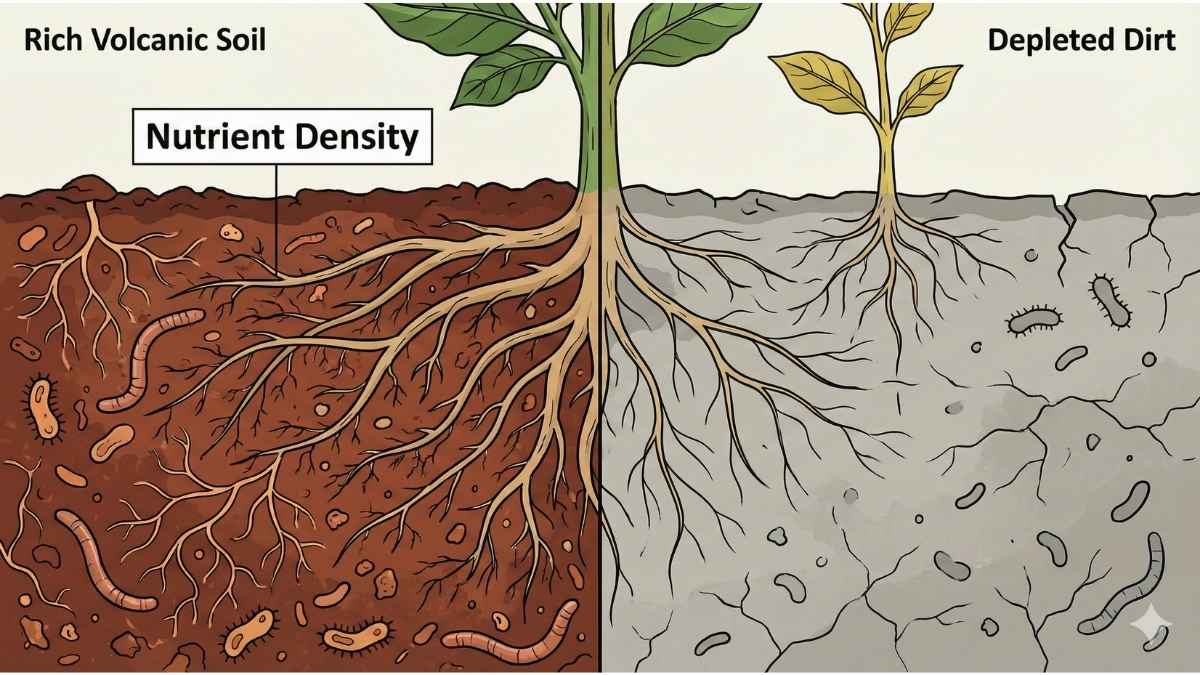
Marketing labels are loud; soil chemistry is quiet. To understand why verification matters, we have to look at how conventional coffee is treated.
Coffee plants are hungry crops, so conventional farms often load the soil with synthetic fertilizers and pesticides. Since beans are porous, they soak these up like sponges. When you brew with hot water (195°F - 205°F), you aren't just unlocking delicious flavor—you are also stripping those invisible residues out of the bean and right into your cup.
The "Good Land" Difference
Good land organic coffee isn't just a buzzword; it refers to Shade-Grown environments.
- Conventional (Sun) Coffee: Grown in clear-cut fields to grow fast. The result is a less dense bean with lower antioxidant levels.
- Shade-Grown (Good Land): The coffee plant grows under a canopy of trees. This blocks the sun, forcing the cherry to mature slowly. This biological struggle increases the density of the bean and the concentration of flavor compounds.
The Decaf Warning: The Solvent Trap
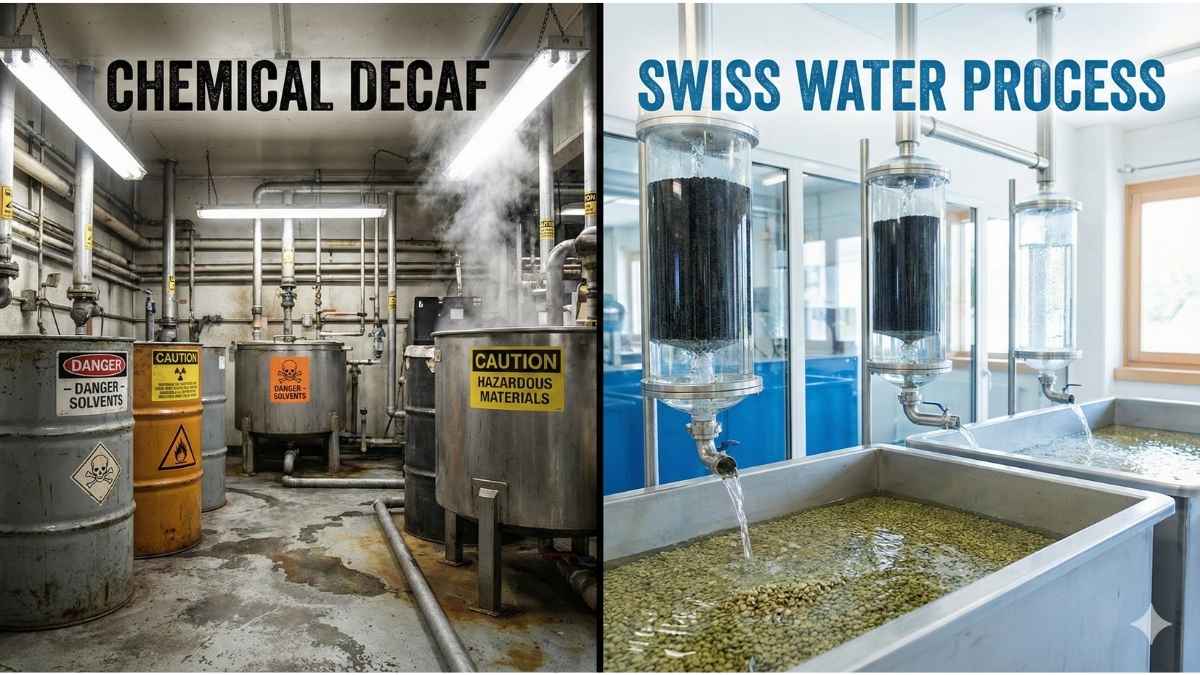
For the decaf drinkers, the risk is higher. Conventional decaf often uses Methylene Chloride. While the FDA allows residual levels up to 10 parts per million (ppm), my philosophy is simple: don't ingest paint stripper, even in micro-doses.
This is why we demand Swiss Water Process or Supercritical CO2 methods for organic decaf. These methods use osmosis and pressure, not harsh solvents, to remove the caffeine molecule.
✅ The Clean Bean Protocol Checklist
Use this checklist to verify any bag of coffee before you buy. If it doesn't tick at least 4 boxes, put it back.
| 🔍 Criteria | ⭐ The Standard | 💡 Why It Matters |
|---|---|---|
| 📜 1. Certification | USDA / Canada Organic | Verifies zero synthetic pesticides or glyphosate use. |
| 🌍 2. Origin | Single Origin | Blends often hide defects. Single origin ensures supply chain traceability. |
| 🌳 3. Growth Method | Shade-Grown | Indicates high altitude and nutrient density; supports biodiversity. |
| 🔬 4. Transparency | Public Lab Results | Brands should share tests for Ochratoxin A (mold) and Aflatoxin. |
| 📦 5. Packaging | Nitrogen Flushed | Valves prevent oxygen from turning the oils rancid before you open the bag. |
| 💧 6. Decaf Method | Swiss Water / CO2 | Ensures no chemical solvents were used in processing. |
As an Amazon Associate, I earn from qualifying purchases at no extra cost to you.
🔗 Integration: Don't Ruin
The Bean
You can buy the best beans in the world, but if your ecosystem is broken, you lose the benefits.
1. The Machine Check: If you brew good organic coffee in a cheap plastic machine, you are re-contaminating it with microplastics. Thermal shock can cause plastic baskets to shed grit into your cup. For a list of safe brewers, refer to our Non-Toxic Coffee Maker Guide.
2. The Metabolic Connection: Drinking coffee with milk creates a "casein complex" that binds to antioxidants, reducing their absorption by nearly 40%. To get the benefits, drink it black and fasted. For the full science, see our Coffee for Metabolism Guide.
💰 The Value Analysis: The
"Cost-Per-Cup" Reality
Inflation in 2026 is real, and organic coffee looks expensive on the shelf ($18 - $24/bag). Let's break down the math using the NCA standard ratio 2 tbsp per 6oz).
- Average Organic Bag: 12oz (340g)
- Grams per Cup: ~15g
- Cups per Bag: ~22 cups
- Cost per Cup: $0.90 - $1.10
The Comparison: A standard coffee shop Americano is $4.50+. You can drink good organic coffee—the highest tier available—for 25% of the cost of a mediocre café brew. The "expensive" label is a psychological illusion.
Frequently Asked Questions (FAQ)
Q: Is all coffee naturally organic?
A: Absolutely not. Coffee is one of the most chemically treated crops in the world. Unless it carries the USDA NOP Certification, assume it has been treated with synthetic fertilizers or pesticides.
Q: Does roasting kill the pesticides?
A: Heat degrades some chemicals, but not all. Many synthetic pesticides have high thermal stability. Furthermore, roasting cannot remove heavy metals absorbed from poor soil.
Q: Why does my organic coffee taste sour?
A: "Sour" usually means under-extraction. You likely used water that was too cool, or your grind was too coarse. Good organic coffee naturally has acidity (brightness), but it should taste like fruit, not vinegar.
Q: How do I store it to prevent mold?
A: Coffee is prone to mold in storage. Keep your beans in an airtight container away from light and moisture.
Final Verdict: The Next Step
If you are currently drinking conventional coffee, the single most impactful change you can make for your health this week is switching your beans.
Do this today: Go to your pantry and check your current bag. If you don't see the USDA Organic seal, you could be brewing unwanted extras like glyphosate. Replace it with a rich, Certified Organic, Single-Origin bean to wake up your palate and give your body a clean break.

Meet Saqib
Saqib Ali Ateel is a PhD Scholar by training and a "student of the soil" by nature. He combines deep research, hands-on farming wisdom, and agricultural systems supervision to reveal what’s really on your plate. His mission is simple: to help your family navigate the food industry's complexity so you can eat cleaner, safer, and smarter.