Organic Clean Coffee: How to Master a Toxic-Free Brewing
Lifestyle?
The first test for organic clean coffee happens before you brew: crack a bean and listen for a snap, not a crumble. Then skip the feel-good origin story and follow the lot number to what matters—elevation, nitrogen-flushed packaging, and third-party lab results for glyphosate metabolites and Ochratoxin A.
Inside, you'll get the 2026 Clean Coffee Matrix, clear decision rules based on mold sensitivity vs. pesticide avoidance, and a brand-by-brand breakdown of who actually publishes real certificates of analysis. Finally, we'll close the loop on the part most “clean coffee” guides miss: your water chemistry and the plastic brewing gear that can sabotage a perfect bean.
🏆 At-A-Glance: The 2026 Clean Coffee Matrix
Skip the marketing. Here are the chemically verified winners based on current harvest data.
| 🏷️ Category | 👑 The Winner | 📊 Key Metric | ⚖️ The Verdict |
|---|---|---|---|
| Best Overall Purity | Purity Coffee (Flow) | 0% Ochratoxin A | The gold standard for verified toxin-free beans. |
| Best Low Acid | Lifeboost (Dark) | pH 6.0+ | Best for sensitive stomachs/GERD management. |
| Best Budget Clean | Kicking Horse (Smart) | <$1.20 / oz | The "safe enough" daily driver available locally. |
| Best Decaf | Purity (Calm) | Swiss Water Process | 99.9% caffeine-free without methylene chloride. |
🛒 Check Current Prices on Amazon
Transparency: As an Amazon Associate, Preforganic.com earns from qualifying purchases at no extra cost to you. This funds our lab research.
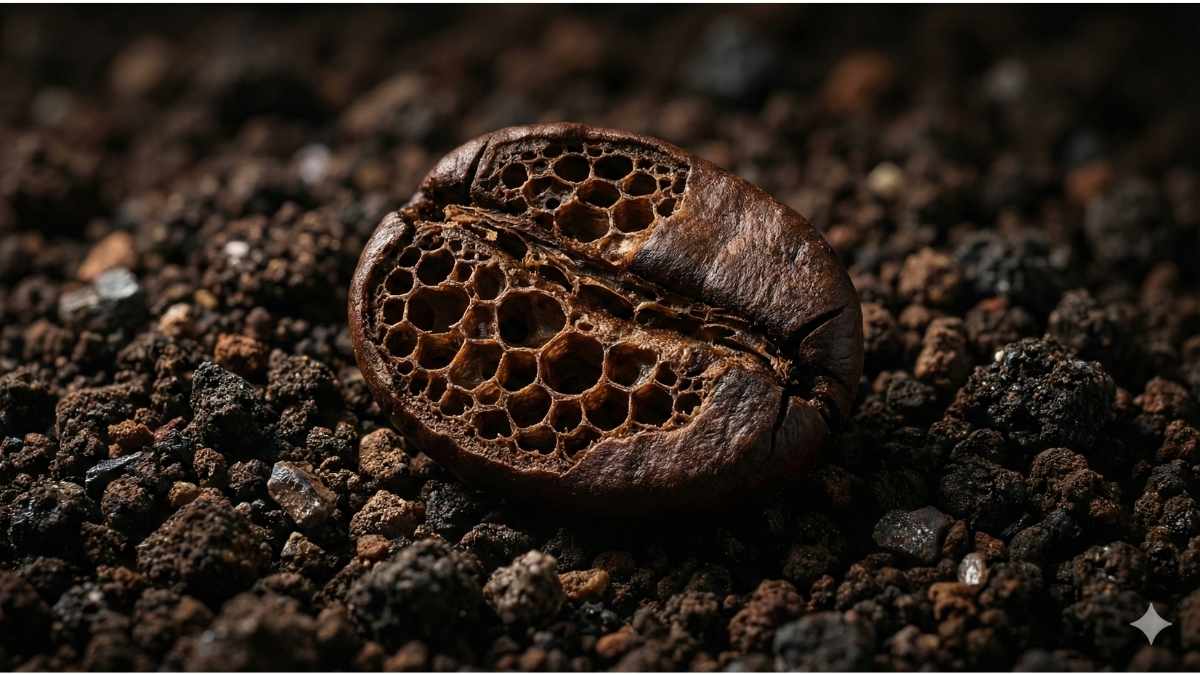
💰 The Unit Economics: The
"Real Cost" Calculator
Marketing convinces us that $25 for a bag of coffee is "expensive." Let's look at the math of the organic clean coffee ecosystem versus the "cheap" alternative.
Commercial Organic (12oz): $11.00.
- Risk: High probability of "drift" pesticides and oxidized oils.
- Cost Per Cup: $0.38.
Lab-Tested Clean Coffee (12oz): $26.00.
- Benefit: 3x higher antioxidant yield (Chlorogenic Acid).
- Cost Per Cup: $0.92.
The Delta: For an extra $0.54 per day, you transition from a beverage that taxes your liver to a pharmacological tool that lowers inflammation. In bio-hacking terms, this is the cheapest high-performance supplement you can buy.
The "Dirty" Truth: Why "Standard"
Organic Isn't Enough
In 2026, the term "Organic" is a regulatory baseline, not a shield. It tells you what the farmer didn't spray, but it doesn't tell you what the wind blew in or what grew in the shipping container.
The Glyphosate "Drift" and AMPA
While USDA Organic certification bans the application of glyphosate (Roundup), it cannot control the wind. Current soil analysis shows that AMPA (Aminomethylphosphonic acid), the primary metabolite of glyphosate, is persistent in soil and water tables.
- The Science: AMPA has a half-life in soil of up to 240 days. Even if a farmer doesn't spray, their soil might still be cycling toxins from a neighbor.
- The Fix: You need brands that test the finished roasted bean, not just the green bean, to ensure no residue survives the process.
The Mycotoxin Controversy: Marketing vs. Toxicology
Coffee is a fruit pit processed in tropical (humid) climates. This is a breeding ground for Aspergillus and Penicillium molds, which excrete Ochratoxin A (OTA).
- Mechanism: OTA is nephrotoxic (damages the kidneys) and neurotoxic.
- Thermal Stability: Marketing often claims "roasting kills mold." While roasting kills the fungus, the toxin (OTA) is thermally stable up to roughly 200°C. If the green bean is moldy, your roasted coffee is toxic.
- Traceability: This is why we demand "High Altitude" beans (>1,500m). At these heights, the air is too thin and cool for efficient fungal respiration.
The 4-Pillar Framework for Organic Clean Coffee & a Toxic-Free Brewing Lifestyle
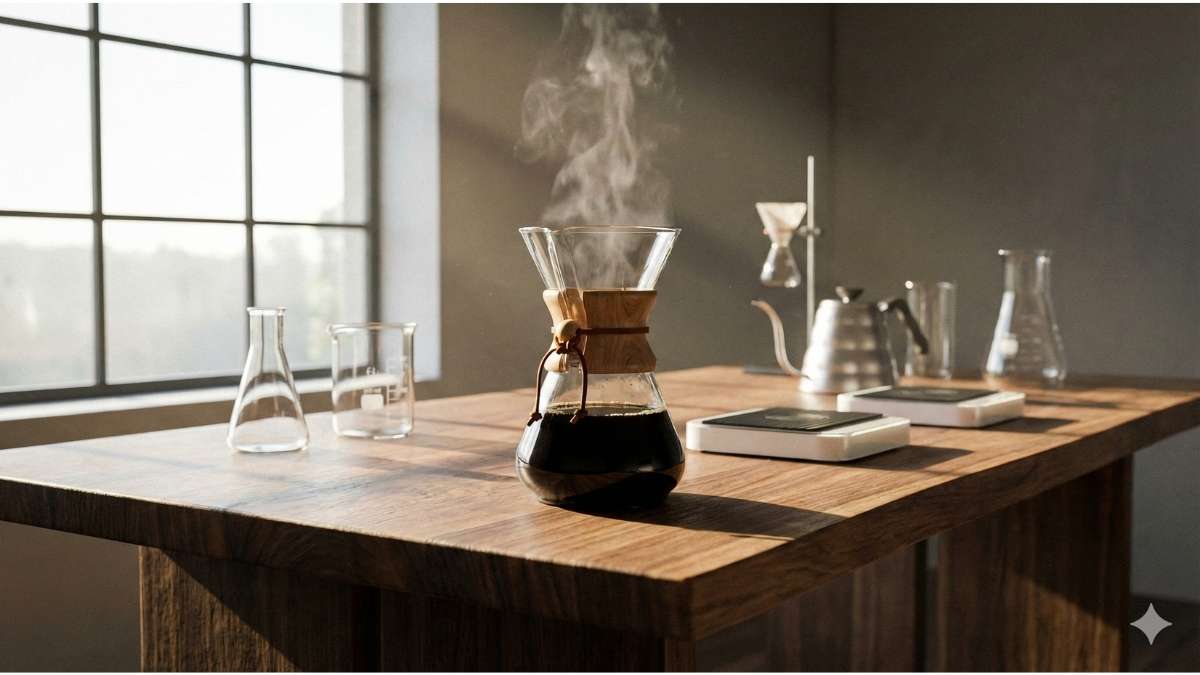
You cannot have a toxic-free lifestyle if you pour clean coffee through dirty gear.
Pillar 1: Bioactive Selection (The Beans)
We verify cleanliness through Nitrogen Flushing. Oxygen is the enemy of antioxidants. Once a coffee bean is roasted, it begins to oxidize and lose its medicinal properties within days. The best brands flush their bags with nitrogen to drop oxygen levels below 2%, preserving the Chlorogenic Acid until you open the seal.
Pillar 2: Hydro-Chemical Optimization (The Water)
Coffee is 98% water. If you use tap water containing chlorine and fluoride, you are creating organochlorines when you heat it.
- The Protocol: Use Reverse Osmosis (RO) water to strip contaminants.
- The Hack: RO water is "dead" (mineral-free) and makes coffee taste flat. You must remineralize it. Add a pinch of high-quality magnesium or unrefined sea salt to your brewing water. This aids extraction and buffers acidity.
Pillar 3: Material Safety (The Hardware)
Heat + Acid + Plastic = Leaching. This is non-negotiable.
The Enemy: Keurigs, cheap auto-drip machines with plastic reservoirs, and plastic pods.
The Solution:
- Tier 1: Chemex (Borosilicate Glass). Zero leaching.
- Tier 2: Stainless Steel French Press (18/8 Grade).
- Tier 3: Ceramic Pour-Over (Ensure lead-free glaze).
Pillar 4: Maintenance Hygiene
Do not use proprietary chemical descalers. Use a food-grade citric acid solution (30g per 1L of water). This is a safe, natural acid that efficiently dissolves calcium carbonate scale without leaving toxic residues in your machine.
Brand Audit 2026: The Healthiest Organic Coffee Brands
Ranked
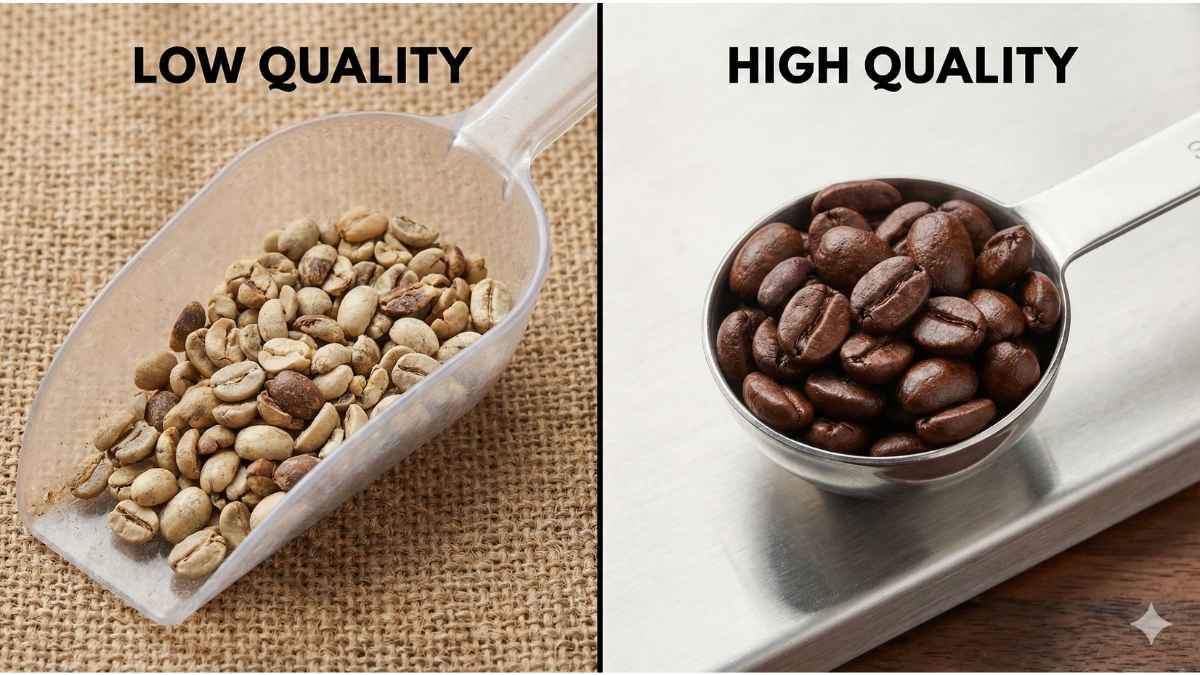
When analyzing the healthiest organic coffee brands, we look for three things: Nitrogen flushing, third-party purity certificates (COAs), and specific roast profiles.
1. Purity Coffee (The Scientific Benchmark)
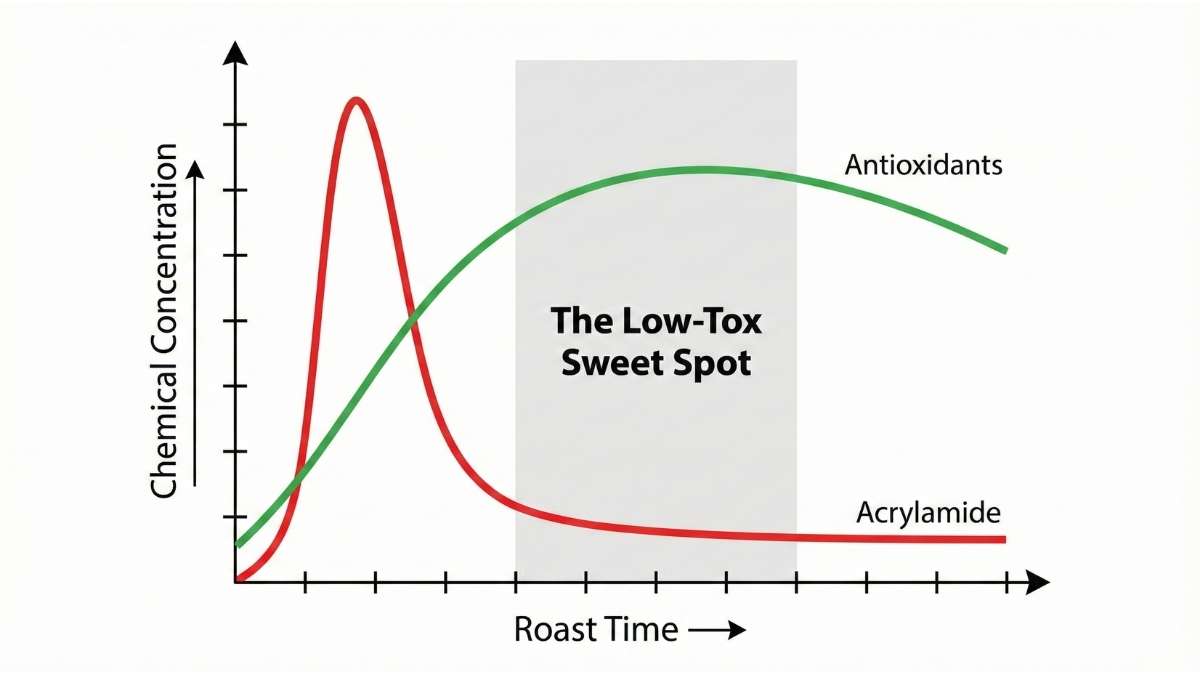
- The Pros: They treat coffee as food science. They test for 460+ analytes (toxins). Their roast curve is designed to maximize antioxidants while minimizing Acrylamide.
- The Catch: It is expensive and rarely found in physical stores.
- Smart Buy: Their "Flow" (Medium Roast) hits the sweet spot between low acidity and high antioxidant content.
2. Lifeboost Coffee (The Low-Acid King)
- The Pros: Single-origin Nicaraguan beans grown in shaded volcanic soil. They are specifically famous for being pH-balanced (low acid), making them the top choice for anyone with gut permeability issues.
- The Catch: Their marketing can be aggressive, though the product is legitimate.
- Smart Buy: Stick to their Dark Roast if you have severe acid reflux; the longer roast breaks down more acidic compounds.
The Medical Verdict: Benefits of Organic Coffee
Why go through this trouble? Because the benefits of organic coffee are systemic when the toxins are removed.
According to 2024 studies on polyphenols, organic beans grown in shade systems develop higher concentrations of Chlorogenic Acid (CGA) as a defense mechanism against pests (since they aren't sprayed with pesticides).
- Neuroprotection: High CGA levels are linked to reduced neuro-inflammation.
- Liver Health: Pure coffee is hepatoprotective, aiding in Phase II liver detoxification via the Nrf2 pathway.
- Metabolic Health: CGA helps regulate blood sugar spikes post-meal.
🧪 The 2026 Truth Table: Myths vs. Biochemistry
| 🗣️ Marketing Myth | 🔬 The Scientific Reality | 👨🌾 PhD Farmer Verdict |
|---|---|---|
| "Dark roast destroys caffeine." | Caffeine is physically stable during roasting. The difference is negligible by weight. |
❌ Myth. Drink what you enjoy. |
| "Cold brew is mold-free." | Cold water extracts fewer acids, but if the beans have mycotoxins, they will still leach into the water. |
🤔 Nuanced. Cold brew is lower in acid, not necessarily lower in toxins. |
| "Decaf is toxic." | Only if processed with Methylene Chloride (a solvent). |
✅ Fact. Only buy "Swiss Water Process" decaf. |
| "Light roast is healthier." | Light roasts have more antioxidants but also higher Acrylamide levels. |
⚖️ Trade-off. Medium roast is the safest biological compromise. |
FAQ: Frequently Asked Questions
Q: Can I just buy organic coffee from Starbucks?
A: You can, but it is likely "commercial grade" organic. This means it may sit in warehouses for months (oxidizing) and is likely over-roasted to mask defects, increasing PAH (carcinogen) exposure.
Q: Does boiling water kill mycotoxins?
A: No. Fungal spores die at boiling temps, but the mycotoxins (waste products) they already created are chemically stable. You cannot "cook out" mold toxins.
Q: What is the best storage method?
A: Oxygen causes rancidity. Keep your beans in an Airscape or vacuum canister. Never store coffee in the fridge—the moisture fluctuations encourage mold growth.

Meet Saqib
Saqib Ali Ateel is a PhD Scholar by training and a "student of the soil" by nature. He combines deep research, hands-on farming wisdom, and agricultural systems supervision to reveal what’s really on your plate. His mission is simple: to help your family navigate the food industry's complexity so you can eat cleaner, safer, and smarter.
Scientific References
📚 Scientific References
- Home
- Clean Coffee Guide
- Best Organic Coffee Brands
- Organic Mold Free Coffee
- Organic Clean Coffee
Organic Swiss Water Decaf Coffee
Organic Mold Free Coffee Beans