Why Is Organic Food Better? What the USDA Rules—and Lab Data—Actually Show
If you’re asking why is organic food better, don’t start with the label—start with the paper trail: the “Certified Organic By” line, the USDA Organic Integrity Database entry, and (for high-risk items) a real Certificate of Analysis (COA) with ICP‑MS heavy-metal numbers. Most “health halo” marketing collapses the second you demand those documents.
Verifiable data indicate that certified organic production systems mandate the exclusion of genetic engineering (GMOs), ionizing radiation, sewage sludge, and most synthetic pesticides, thereby minimizing consumer exposure to regulated agrochemical residues and antibiotic-resistant bacteria.
This article walks you through what organic standards actually prohibit, where the gaps are, and how to buy with a goal-based selector (pesticides vs. cadmium/lead vs. antibiotics) instead of guesswork. By the end, you’ll have an inspector-level checklist you can run in minutes at the shelf.
Organic vs. Conventional: The Core Comparative
Differences
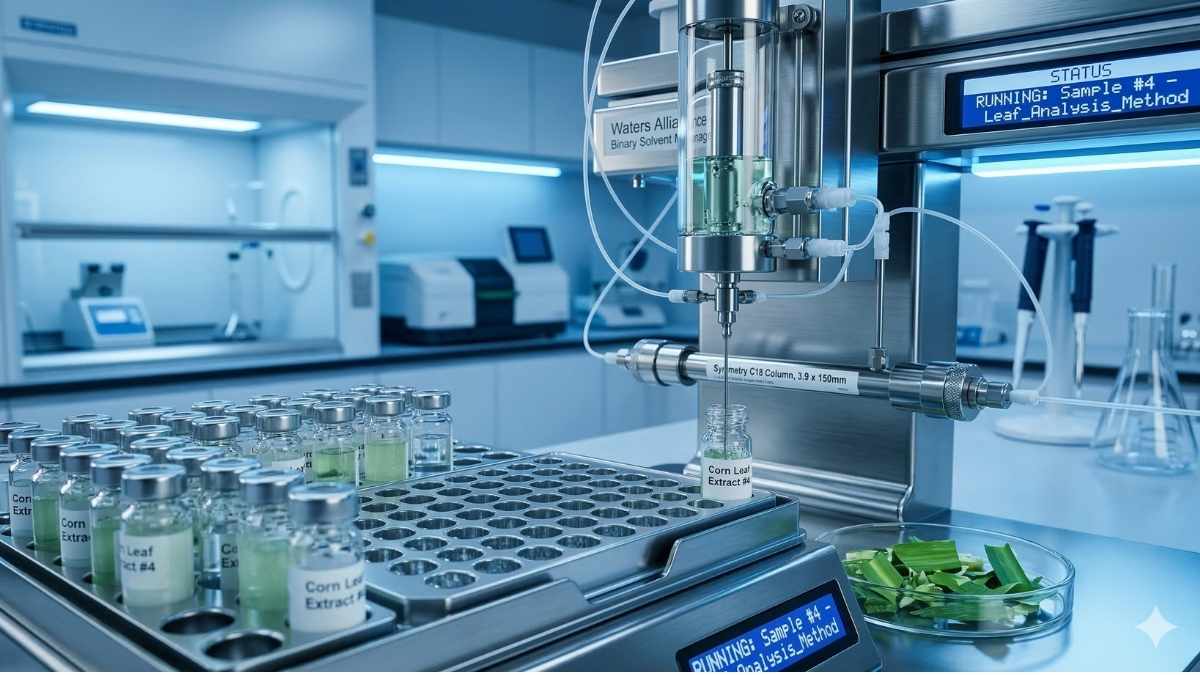 Laboratory testing via HPLC provides objective data on pesticide residue limits in certified organic versus conventional crops.
To accurately assess the agricultural baseline, one must look at the legal definitions codified in 7 CFR Part 205. The USDA National Organic Program (NOP) sets rigorous parameters for production and handling. Under these statutes, organic operations are explicitly prohibited from using genetic engineering (GMOs), ionizing radiation, and sewage sludge (biosolids) as fertilizer.
Why Organic Food is Better for Avoiding Synthetic Inputs
When analyzing pesticide application logs, the reasons why organic food is better become statistically apparent. USDA regulations prohibit the vast majority of synthetic pesticides and fertilizers. Exceptions exist only via the strictly governed National List of Allowed and Prohibited Substances. Furthermore, USDA organic livestock regulations explicitly prohibit the administration of antibiotics for disease prevention or growth promotion. If an animal requires antibiotic treatment, it immediately loses its organic certification status. Animal welfare regulations also legally bind producers to provide year-round outdoor access for livestock and strict pasture minimums for ruminants.
What Organic Does NOT Guarantee
Objective analysis requires acknowledging regulatory boundaries. The FDA officially positions "organic" as a term that defines agricultural production methods, explicitly stating that it does not automatically render the food objectively safer or more nutritious. Additionally, USDA Economic Research Service (ERS) data confirms that the extensive compliance, segregated logistics, and labor-intensive nature of organic farming consistently result in a price premium. "Organic" is a process verification, not a guarantee of budget-friendly pricing.
| 🗣️ The Claim | 📜 The Real Rules (Regulations) | 🦄 The Marketing Myth | 🕵️♂️ PhD Farmer's Verdict |
|---|---|---|---|
| "Organic means no pesticides." | Allowed natural pesticides & strict National List synthetics (7 CFR § 205.601). | Farms use zero chemicals of any kind. | False. However, residue exposure drops significantly compared to conventional equivalents. |
| "Organic meat is hormone-free." | USDA prohibits hormones in organic beef/dairy. (Pork/poultry naturally prohibited). | Only organic chicken is free of injected hormones. | Redundant for poultry/pork. Crucial metric for beef and dairy audits. |
| "100% natural is just like organic." | "Natural" is poorly defined by FDA; lacks third-party audit requirements. | It is a cheaper equivalent to USDA Organic. | "Natural" is a marketing term. "Organic" is a federally audited supply chain. |
| "Organic avoids all GMOs." | GMOs are "excluded methods" (7 CFR § 205.105), but adventitious presence (cross-pollination) can occur. | Zero trace of engineered DNA exists in the crop. | Regulations dictate the process prohibits GMO seeds, minimizing but not mathematically eliminating cross-contamination risk. |
Organic Food: Is It Healthier? The Scientific &
Statistical Evidence
When assessing whether organic food is healthier, we must avoid subjective claims and instead evaluate biomonitoring data and epidemiological studies. A prominent 2006 dietary intervention study published in Environmental Health Perspectives used biomonitoring to track exposure and demonstrated that children’s urinary organophosphorus pesticide metabolite levels dropped to near or below detection limits when they switched to an organic diet. Furthermore, the extensive NutriNet-Santé cohort study in France, analyzing 68,946 participants, reported a verifiable association between higher organic food consumption and a lower overall cancer risk (Hazard ratio 0.75).
The Truth About Pesticide Residues and Toxic Metals
A 2012 systematic review published in the Annals of Internal Medicine evaluated agricultural outputs and concluded that organic produce presents a verifiably lower risk of detectable pesticide residues. Taking this further, a 2014 meta-analysis in the British Journal of Nutrition established that organic crops were not only four times less likely to contain detectable pesticide residues, but they also exhibited roughly 48% lower concentrations of cadmium, a highly toxic heavy metal that bioaccumulates in human tissues.
Nutritional Composition: The Great Debate
The data regarding baseline macronutrients reveals a nuanced reality. A 2009 systematic review in the American Journal of Clinical Nutrition found no evidence of clinically relevant differences in general nutrient quality between the two farming methods. However, subsequent focused methodologies yielded different specific results. The 2014 British Journal of Nutrition meta-analysis reported significantly higher concentrations of antioxidant-related compounds in organic crops. Similarly, a 2016 meta-analysis in the same journal reported altered fatty acid profiles in organic dairy, specifically noting higher concentrations of omega-3 fatty acids.
Evaluating the Evidence: The Strength Meter
- High Confidence: Reduced pesticide exposure. This is heavily corroborated by USDA’s own Pesticide Data Program (PDP) statistics and the 2012 Annals of Internal Medicine review.
- High Confidence: Reduced antibiotic-resistant bacteria exposure in meat products, driven by the strict federal prohibition of sub-therapeutic antibiotics in organic livestock.
- Medium Confidence: Broad nutritional superiority. While specific compounds (antioxidants, omega-3s) show elevation in the 2014/2016 BJN meta-analyses, general macronutrient profiles remain comparable as per the 2009 AJCN data.
Navigating the Labels: Regulatory Facts and Global
Standards
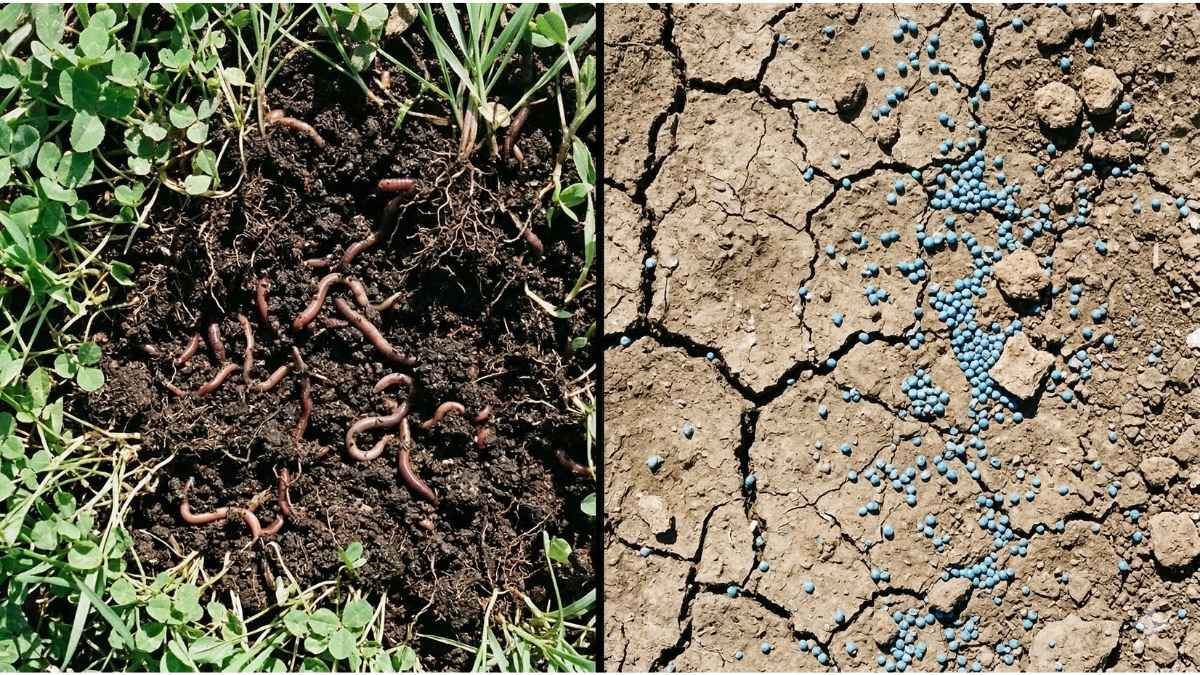 Organic regulations mandate soil management practices that prohibit sewage sludge and reliance on synthetic nitrogen fertilizers.
The U.S. framework is governed by the Organic Foods Production Act (OFPA), enforced by the USDA NOP. Any agricultural operation grossing over $5,000 in organic sales must undergo rigorous third-party certification, maintain a comprehensive Organic System Plan (OSP), and pass extensive annual site inspections.
Global Definitions: Separating Organic from Natural and
Regenerative
Internationally, the baseline for organic commerce is set by the non-binding Codex Alimentarius guidelines. However, jurisdictional enforcement varies. The European Union operates under Regulation (EU) 2018/848, Canada utilizes the Safe Food for Canadians Regulations (SFCR/COR), and Japan enforces the Japanese Agricultural Standards (JAS). Unlike "regenerative" (which currently lacks a unified federal standard) or "natural" (a loosely regulated FDA term), these global organic labels represent legally binding, audited methodologies.
Decoding the Packaging: 100% vs. 95% vs. 70%
Labeling is an exact science. Under USDA statutes:
- "100 percent organic": Every ingredient and processing aid must be certified organic.
- "Organic": Must contain at least 95% certified organic ingredients.
- "Made with organic [ingredients]": Must contain at least 70% certified organic ingredients. These products are explicitly forbidden from displaying the USDA Organic seal.
Regulatory Reality Check
Do not conflate FDA food safety standards with USDA organic verification. The CDC and FDA monitor post-harvest pathogen outbreaks (like E. coli or Salmonella), which affect both conventional and organic crops equally due to irrigation water or processing facility contamination. Organic certification is a pre-harvest input and soil management audit, not a post-harvest pathogen sterilization guarantee. Always verify compliance directly via the USDA Organic Integrity Database.
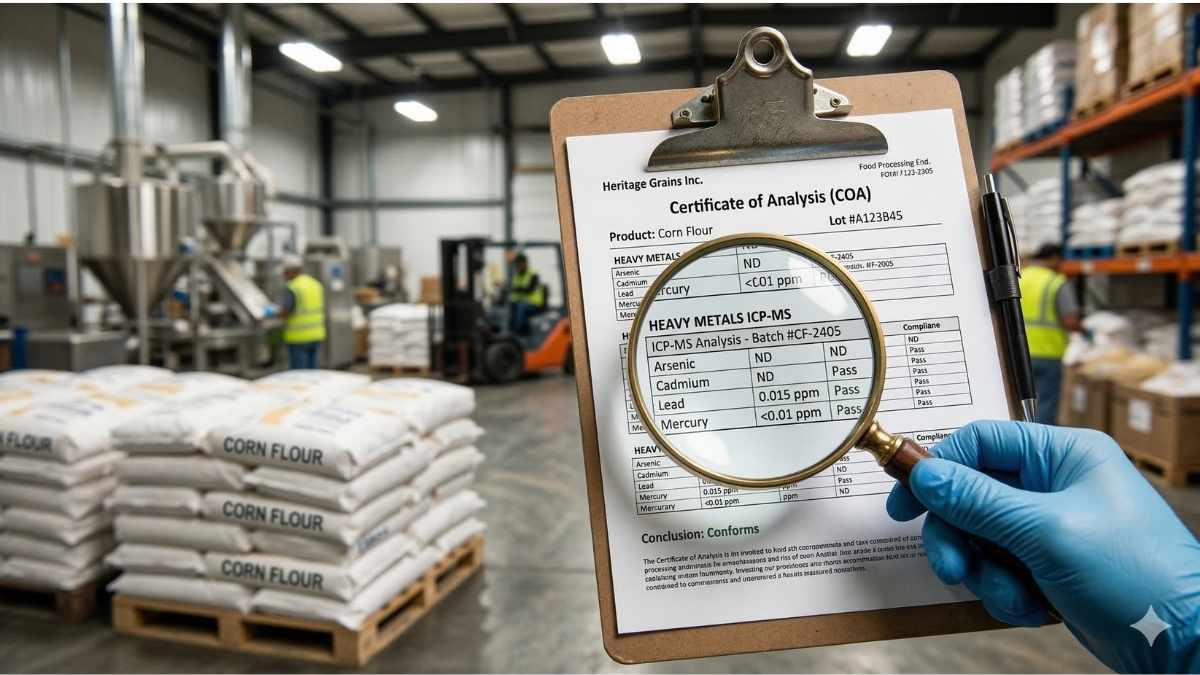 Auditing a Certificate of Analysis (COA) is the only verifiable method to confirm heavy metal limits in agricultural products.
📊 The 2026 Value Matrix
| 🏷️ Brand / Category | 📜 Key Cert Proof | 🔬 Batch Lab Test? | 🎯 Purity Focus | ⭐ Key Feature | 🌍 Origin |
|---|---|---|---|---|---|
|
Serenity Kids (Infant Food) |
✅ USDA Organic, Clean Label Project | 🧪 Yes (ICP-MS) | ⚠️ Heavy Metals | 🌱 Regenerative sourcing | 🇺🇸 USA Sourced |
|
Navitas Organics (Cacao/Superfoods) |
✅ USDA Organic, Fairtrade | 🧪 Yes (Prop 65 compliant) | ⚠️ Cadmium/Lead | 🤝 B-Corp Certified | 🌎 Global/Peru |
|
Purity Coffee (Coffee) |
✅ USDA Organic, Smithsonian Bird Friendly | 🧪 Yes | 🍄 Mycotoxins/Mold | ☕ Antioxidant optimized roasting | 🏔️ Central/South America |
The Smart Consumer's Choice
A comprehensive prioritization list minimizes financial strain while maximizing toxicological risk reduction. Based on the EPA's pesticide tolerance framework and the USDA's Pesticide Data Program outcomes, consumers should ruthlessly prioritize their spending. Thin-skinned fruits (strawberries, spinach, grapes) absorb trans-laminar chemical applications that cannot be washed off, making organic certification highly critical. Conversely, items with thick, inedible rinds (avocados, onions) exhibit statistically negligible residue transmission, making conventional purchases a data-backed acceptable risk for budget management.
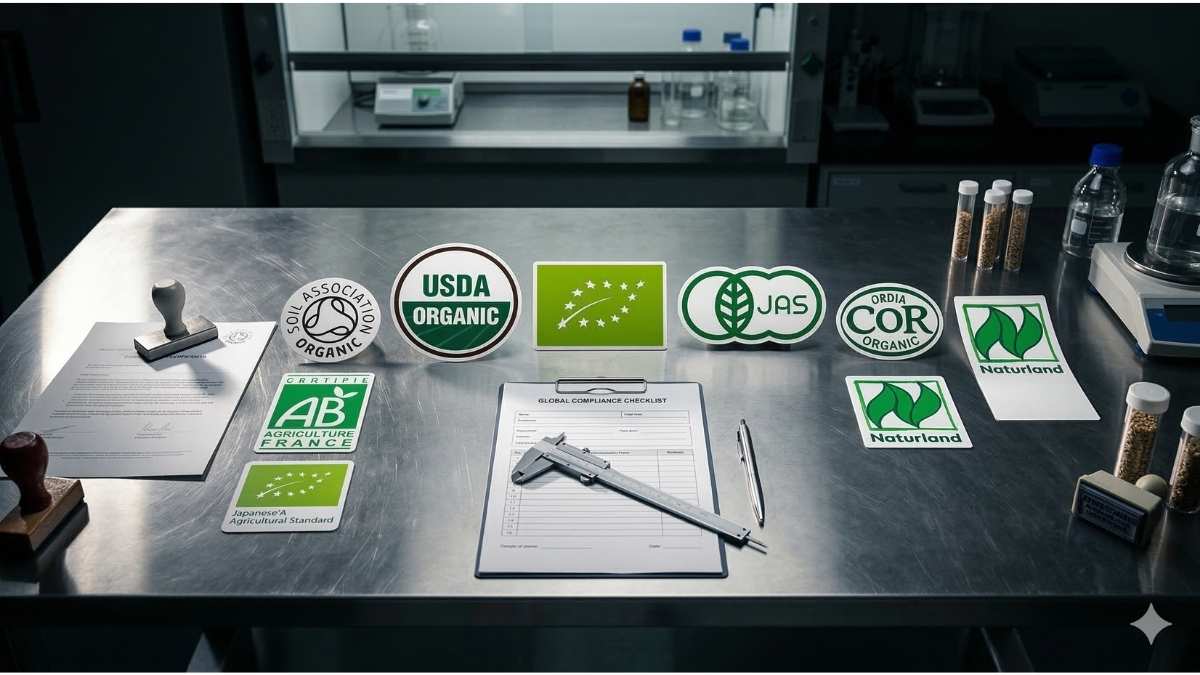 International organic standards, such as USDA NOP and EU 2018/848, enforce rigorous supply chain traceability and annual compliance audits.
Frequently Asked Questions
Is organic food actually healthier?
According to a 2012 Annals of Internal Medicine review, organic produce minimizes exposure to detectable pesticide residues. While the FDA states "organic" refers to production methods rather than nutritional superiority, 2014 meta-analyses show organic crops tend to exhibit higher antioxidant concentrations and lower cadmium levels.
Does organic mean pesticide-free?
No. Certified organic production prohibits most synthetic pesticides but allows certain naturally derived pesticides and limited synthetics on the USDA National List. However, USDA Pesticide Data Program audits verify that organic produce has significantly lower synthetic residue detection rates.
Why is organic more expensive?
USDA Economic Research Service data indicates organic price premiums stem from labor-intensive weed and pest management, strictly regulated compliance requirements, segregated supply chain logistics, and the continuous financial burden of mandatory third-party certification audits.

Meet Saqib
Saqib Ali Ateel is a PhD Scholar by training and a "student of the soil" by nature. He combines deep research, hands-on farming wisdom, and agricultural systems supervision to reveal what’s really on your plate. His mission is simple: to help your family navigate the food industry's complexity so you can eat cleaner, safer, and smarter.
- Home
- Food Safety
- Why Is Organic Food Better