Clean Fifteen Food List: The Plant Biology Behind Safer Produce
Most organic labels answer the question that sells, not the question that matters: Is this actually safe? You don't mind paying for quality, but you refuse to pay for theater when evaluating the clean fifteen food list.
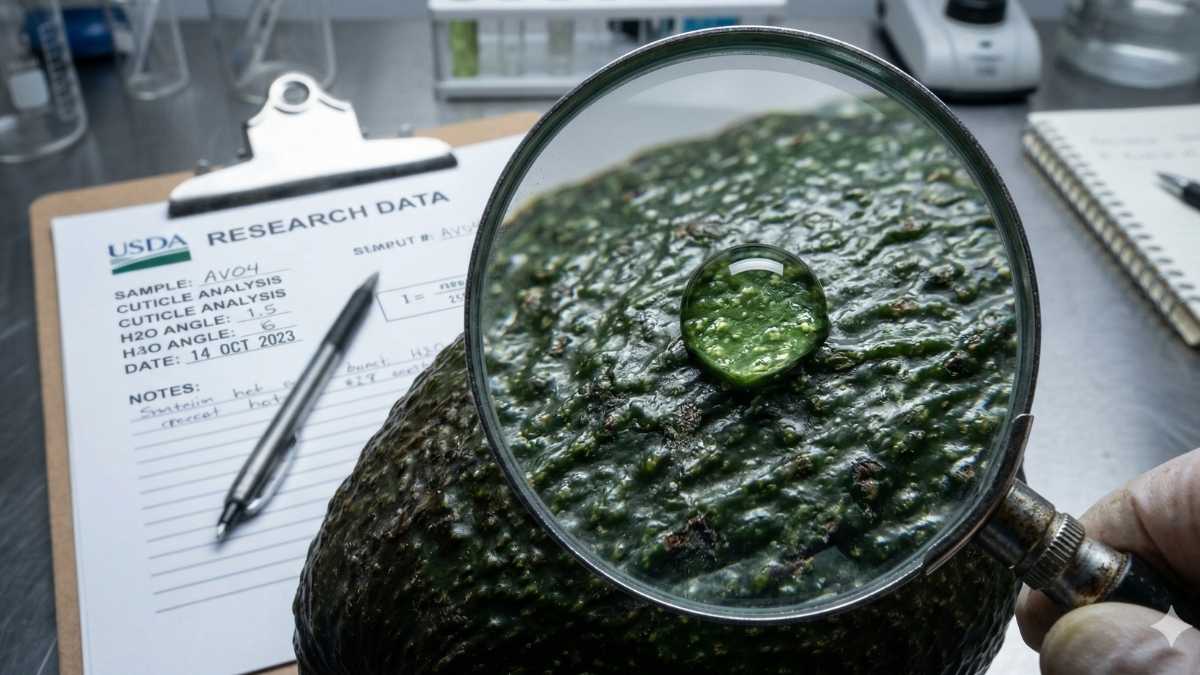
Watch water bead and roll off an avocado's waxy skin, and the logic behind this data gets a lot less mystical. While marketing campaigns emphasize farm-level ideology, regulatory data show that some conventional crops are biologically built to block, buffer, or outpace pesticide exposure before residues ever reach the part you eat.
That makes this index a budgeting tool, not a moral ranking system. The clean fifteen draws on verifiable USDA residue data to identify crops protected by natural epicuticular lipid barriers, subterranean soil buffering, and early-phenological harvest cycles—proving that these specific crops inherently block synthetic chemicals from reaching edible tissue.
Beyond "Thick Skin": The 3 Mechanisms of
Agricultural Evasion
While basic consumer advice stops at "buy produce with thick peels," field realities show a much more complex biochemical defense system. USDA PDP testing data suggest that low residue counts are driven by three specific agronomic mechanisms.
1. Epicuticular Lipid Armor (The Cuticle Defense)
A thick rind is only part of the equation. On a microscopic level, crops like avocados, mangoes, and pineapples secrete cutin—a complex network of lipid polymers and waxes. This epicuticular wax is highly hydrophobic. When growers apply a water-based topical pesticide, the lipid armor causes the liquid to bead and roll off the exocarp. By the time the inedible peel is removed, the internal flesh remains isolated from the spray pathway.
2. Phenological Evasion (Harvest Timing)
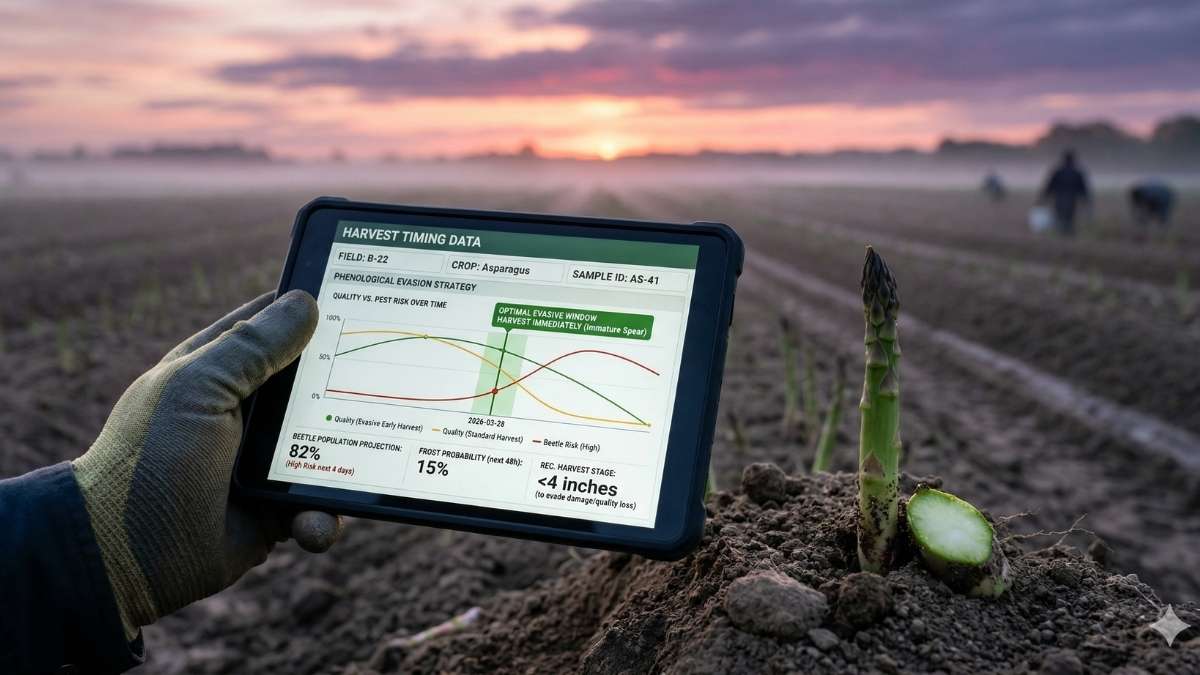
Crop resilience depends heavily on the time spent in the field. Asparagus and frozen sweet peas routinely pass testing because they utilize phenological evasion. Asparagus is harvested as an immature vegetative shoot, and sweet peas are pulled early in their reproductive cycle. This rapid development window drastically limits their exposure to chemical applications compared with a fruit like an apple, which may sit on the branch for months.
3. Subterranean Soil Matrix Buffering
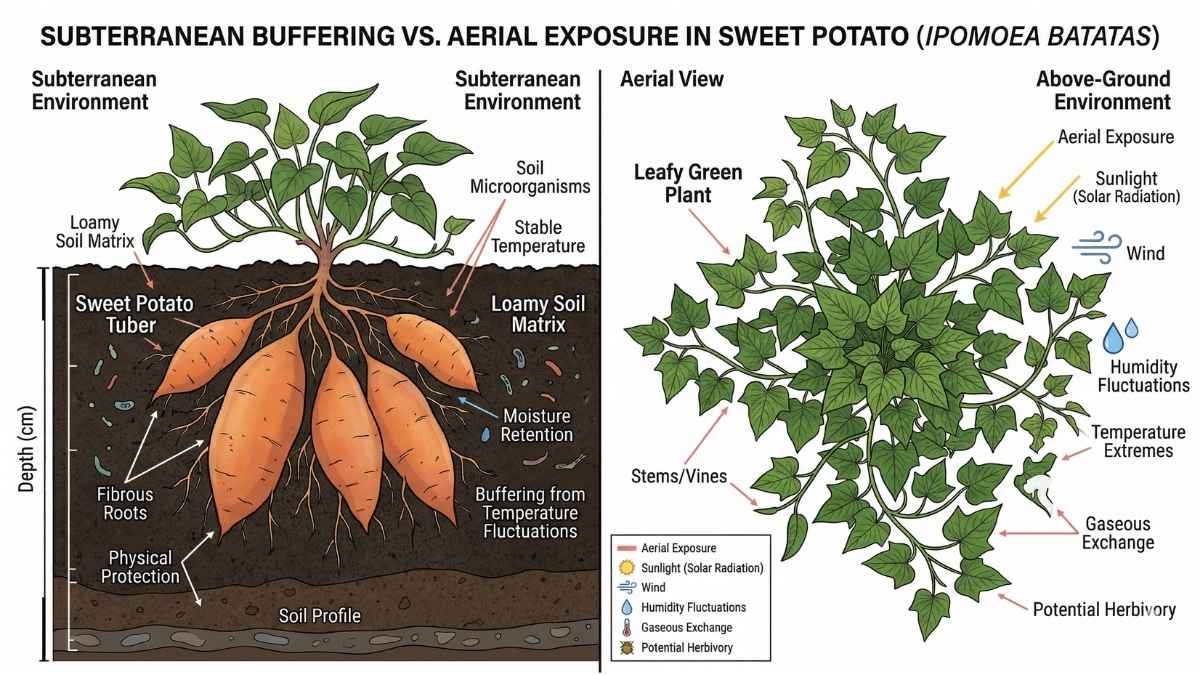
Onions, sweet potatoes, and carrots benefit from a physical soil buffer. Foliar sprays target the aerial parts of the plant. For a bulb like an onion, the surrounding soil matrix intercepts and binds synthetic chemicals before they reach the root zone. Furthermore, onions produce volatile sulfur compounds that naturally repel insects, and cabbage synthesizes glucosinolates as a secondary metabolic defense, reducing the farmer's need for synthetic pest intervention.
📊 The 2026 Value Matrix
| 🏷️ Category | 📜 Key Cert Proof | 🔬 Batch Lab Test? | 🛡️ Purity Focus | ✨ Key Feature | 🌍 Origin |
|---|---|---|---|---|---|
| Conventional Avocados | USDA PDP Data | LC-MS/MS Screen | Tissue Isolation | Hydrophobic Lipid Cuticle | Domestic/Import |
| Conventional Asparagus | USDA PDP Data | LC-MS/MS Screen | Temporal Safety | Phenological Evasion (Early Harvest) | Domestic/Import |
| Conventional Cabbage | USDA PDP Data | LC-MS/MS Screen | Endogenous Defense | Glucosinolate Production | Domestic |
| Conventional Sweet Potatoes | USDA PDP Data | LC-MS/MS Screen | Soil Matrix Buffer | Subterranean Development | Domestic |
| Conventional Sweet Peas | USDA PDP Data | LC-MS/MS Screen | Enclosed Seed | Pod Shielding | Domestic |
FAQ: Closing the Loopholes
1. If the plant defends itself, why do federal labs still test it?
To verify compliance with EPA tolerances. Agricultural shields mitigate risk; they do not erase it. Federal testing uses mass spectrometry to confirm that epicuticular waxes, harvest timing, and soil buffering have kept residues on the edible portion below acute toxicity thresholds.
2. I'm exhausted by the complexity of plant biology. How do I simplify my grocery run?
Reframe the goal from perfection to risk reduction. You do not need to memorize cellular defense mechanisms. Use the 7-step checklist to identify crops with physical armor or underground growth patterns, buy those conventionally, and save your organic budget for thin-skinned crops.
3. Does baking soda actually break down chemicals better than water?
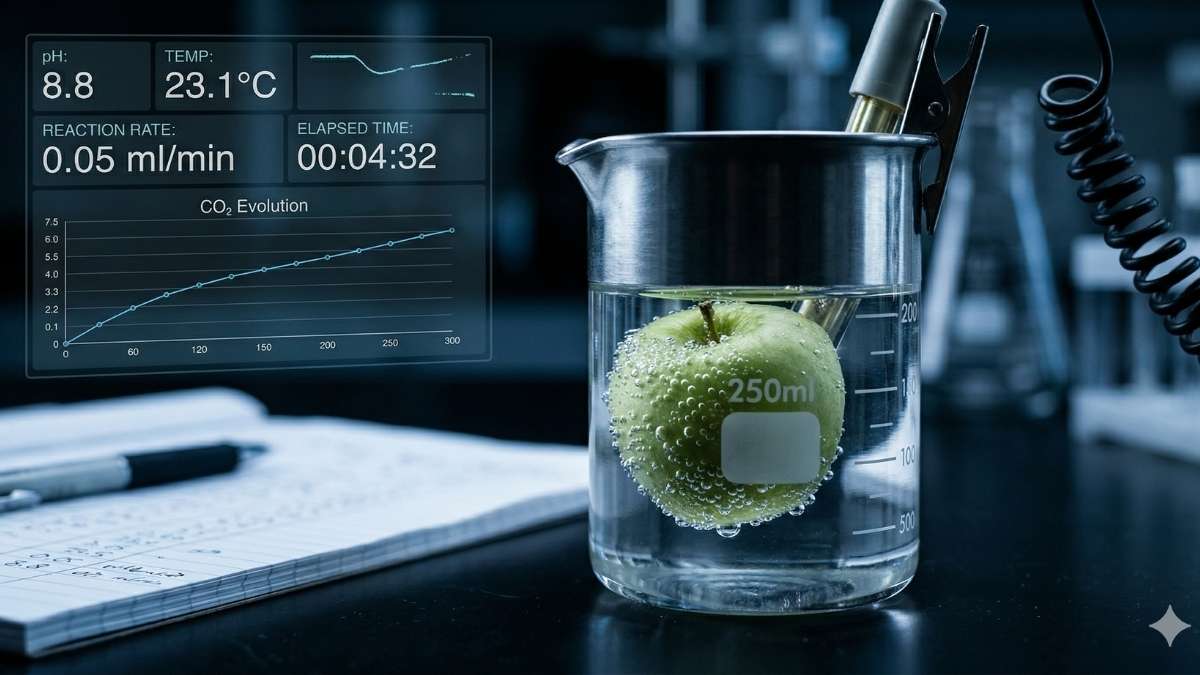
Yes. Empirical research demonstrates that an alkaline environment (baking soda and water) actively degrades the molecular structure of specific topical fungicides like thiabendazole, whereas neutral tap water merely displaces field dust.

Meet Saqib
Saqib Ali Ateel is a PhD Scholar by training and a "student of the soil" by nature. He combines deep research, hands-on farming wisdom, and agricultural systems supervision to reveal what’s really on your plate. His mission is simple: to help your family navigate the food industry's complexity so you can eat cleaner, safer, and smarter.
- Home
- Dirty Dozen List
- 2026 Environmental Working Group Clean Fifteen
- Clean Fifteen Food List